Glucose-dependent insulin secretion: Intrinsically safe from hypoglycaemia in monotherapy —
critical in frail older adults, post-bariatric patients, and those with unpredictable oral intake.
Renal elimination of exenatide/lixisenatide (but not semaglutide, tirzepatide, or
dulaglutide): explains the eGFR-based contraindications for exenatide/lixisenatide that do not apply to the
preferred modern agents.
Proteolytic metabolism of peptide agents: Largely independent of hepatic CYP metabolism —
reducing pharmacokinetic drug–drug interactions vs many other diabetes medications, though gastric emptying
delay can affect oral drug absorption timing.
Gastric emptying delay: Beneficial for postprandial glucose but problematic in gastroparesis,
pre-existing GI dysmotility, and perioperative aspiration risk.
Weight loss (5–22%): Beneficial in obesity-related comorbidities but may be harmful in
sarcopenia, frailty, cachexia, or active cancer — demanding careful patient selection.
GLP-1R expression in the heart, kidneys, liver, brain, and gut: Explains the pleiotropic
benefits and some organ-specific risks beyond glycaemic control.

Special Scenarios · High-Risk Populations · Clinical Decision Support ·
2026
GLP-1 RAs in Special & High-Risk Clinical Scenarios
A comprehensive evidence-based reference covering 20 complex clinical scenarios where GLP-1 receptor agonist prescribing requires particular care, specialist input, or specific modification of standard practice — structured for endocrinologists, cardiologists, nephrologists, hepatologists, obesity physicians, and generalists managing complex patients.
Section 1
GLP-1 RA Overview — Mechanism & Indications
Pharmacological foundations relevant to special population considerations
GLP-1 receptor agonists are incretin-based pharmacotherapies that activate GLP-1 receptors across multiple tissue types — producing glucose-dependent insulin secretion, glucagon suppression, gastric emptying delay, central appetite suppression, and direct cardioprotective, renoprotective, and hepatoprotective effects. Licensed indications in the UK as of May 2026 span type 2 diabetes mellitus (T2DM), obesity/overweight management, cardiovascular risk reduction in non-diabetic obesity (SELECT indication), and renal protection in T2DM with CKD (FLOW indication).
8
UK-licensed GLP-1 RA agents
5
Licensed indication domains 2026
20
Special scenarios reviewed here
>150K
Patient-years RCT safety exposure
Key Pharmacological Properties Relevant to Special Populations
Several pharmacological properties of GLP-1 RAs are particularly relevant when considering their use in complex clinical scenarios:
Section 2
Risk–Benefit Framework & Shared Decision-Making
General principles for complex comorbidities — applied to all scenarios below
In standard populations, GLP-1 RAs have a well-established, favourable risk–benefit ratio. In high-risk or special populations, this balance requires explicit re-evaluation across four domains:
1. Disease-specific pharmacokinetics
Does the comorbidity alter drug exposure
(hepatic/renal impairment)? Does it change the therapeutic response (gastroparesis, altered gut motility)?
Does it amplify side effect risk?
2. Comorbidity-specific benefits
Are GLP-1 RA benefits (CV protection,
weight loss, renal protection) particularly relevant for this patient's comorbidities? Does the underlying
disease increase the urgency of GLP-1 RA therapy?
3. Evidence quality
Is the evidence for GLP-1 RA
safety/efficacy in this population from RCT subgroup analyses, observational data, or only expert opinion?
What uncertainty must be communicated to the patient?
4. Alternatives assessment
Are there safer or equally effective
alternatives? Is GLP-1 RA therapy uniquely indicated (no equivalent alternative for CV protection in
obesity) or is it one option among several?
The Three-Tier Clinical Decision Framework
Do Not Use / Specialist Review
Product-specific contraindication (check current UK SmPC)
Previous pancreatitis — specialist caution and risk–benefit review
Active pregnancy (all trimesters)
Severe or confirmed gastroparesis — product-specific caution
Severe anorexia nervosa or active ARFID
ESRD with exenatide or lixisenatide (eGFR <45)
Extreme Caution · Specialist Input Required
Severe HFrEF (NYHA III–IV, recent decompensation)
End-stage liver disease (Child–Pugh B/C)
ESRD / dialysis (with modern agents)
Haemorrhagic stroke within 6 months
Active malignancy with cachexia/weight loss
Adolescents <12 years (tirzepatide off-label)
Caution · Enhanced Monitoring
CKD G4 (eGFR 15–25) with modern agents
HFpEF with obesity (benefit > risk usually)
Ischaemic stroke >3 months prior
Post-bariatric surgery with dumping
Frail older adults (CFS 4–5)
PCOS planning pregnancy
Shared Decision-Making Principle
In every special scenario, the decision should be explicitly shared with
the patient — communicating: (1) the specific concern in their clinical context; (2) the
quality of evidence supporting or cautioning against use; (3) what monitoring or mitigating steps are
planned; (4) what symptoms should prompt urgent review or drug cessation. Document the shared
decision-making discussion in the clinical record, including the patient's stated understanding and
preference.
Section 3 — Quick Reference
Master Classification Tables
All 20 scenarios at a glance — recommendation, evidence strength, and key concern
| Scenario | Main concern | Evidence | Recommendation | Preferred approach |
|---|---|---|---|---|
| Severe HFrEF (NYHA III–IV) | No CV outcomes trial; chronotropic effect; acute decompensation risk | Low | Use with extreme caution | SGLT2i preferred; GLP-1 RA specialist-led only |
| HFpEF + obesity | Benefit vs risk of chronotropy; STEP-HFpEF data supportive | Moderate | Caution — generally favourable | Sema 2.4 mg with cardiology input |
| ESRD / dialysis | No RCT data; metabolite accumulation risk; GI dehydration | Very low | Extreme caution · specialist only | Sema/tirz (no renal elimination) preferred; avoid exenatide/lixisenatide |
| Advanced CKD G4 (eGFR 15–25) | GI dehydration → AKI; limited pharmacokinetic data | Low | Use with enhanced monitoring | Sema 1 mg if KDIGO criteria met; intensive hydration counselling |
| End-stage liver disease (Child-Pugh B/C) | Unpredictable PK; decompensation risk from GI effects; no cirrhosis trial data | Very low | Generally avoid Child-Pugh C | Hepatology MDT; insulin often preferred in decompensated cirrhosis |
| MASH (compensated, F2–F3) | Off-label but biologically rational; SYNERGY-NASH data | Moderate | Generally favourable — use with monitoring | Tirzepatide or semaglutide via licensed T2DM/obesity indication |
| Ischaemic stroke/TIA history | CV benefit applies; BP management interaction; antiplatelet absorption | Moderate | Generally appropriate (REWIND stroke data) | Delay initiation 2–4 weeks post-acute stroke; sema/dula preferred |
| Haemorrhagic stroke (recent) | No RCT inclusion; BP-lowering effect in acute phase uncertain | Very low | Avoid within 6 months; specialist review | Defer until neurology clearance; reassess at 6 months |
| Chronic pancreatitis history | Not studied in key product programmes; current UK SmPCs advise caution | Expert consensus | Specialist caution | Review cause, recurrence risk and current product SmPC; document specialist decision |
| Cholelithiasis / cholecystitis | Gallstone risk ↑ with rapid weight loss; biliary events in trials | Moderate | Caution; UDCA prevention; USS if high-risk | Post-cholecystectomy generally safe; active cholecystitis — hold |
| Gastroparesis / IBD | Gastric delay worsens gastroparesis; IBD flare risk uncertain | Very low | Product-specific caution; specialist review if severe | IBD in remission: cautious use acceptable; active flare: avoid |
| Personal/family MTC or MEN2 | C-cell findings in rodents; contraindication wording differs by jurisdiction and product | Regulatory | Check current UK SmPC; US labels differ | Do not transpose US boxed-warning language into UK prescribing |
| Frailty / sarcopenia | Lean mass loss; appetite suppression in underweight; functional decline | Low | Individualise; CFS guides decision | CFS 1–3: proceed with resistance exercise; CFS ≥6: generally avoid |
| Older adults / polypharmacy | Drug absorption interactions; falls risk; renal clearance; anticholinergic burden | Low | Use with review of all medications | Sema or tirz weekly preferred; comprehensive medication review first |
| Perioperative / major surgery | Aspiration risk under GA; gastric delay; glycaemic management | Moderate | Hold 1 week (weekly) or 1 day (daily) pre-GA | AAGBI/ASA 2023 guidance; RSI if emergency |
| Pregnancy / breastfeeding | No human safety data; animal teratogenicity | Very low | Contraindicated — stop immediately | Switch to insulin; stop ≥2 months before planned conception |
| Adolescents (12–17 yr) | Limited paediatric trial data; tirzepatide only FDA-approved ≥12 yr (obesity) | Low | Specialist-only; FDA/EMA label guides | Sema FDA-approved ≥12 (obesity); tirz FDA ≥12 (obesity); paediatric endocrinology |
| Eating disorders | Anorexia: reinforces restriction; appetite suppression in low-BMI | Very low | Avoid in active AN/ARFID; cautious in BED | Psychiatric co-management mandatory; PHQ + EDE-Q at baseline |
| Active malignancy / cancer treatment | Weight loss amplified; cachexia risk; nausea + chemotherapy | Very low | Generally hold during active treatment | Oncology MDT; thyroid malignancy: specific CI considerations |
| Post-bariatric surgery | Already reduced caloric intake; dumping amplification; hypoglycaemia | Low | Use with caution; usually at lower doses | Low-dose start; monitor for post-bariatric hypoglycaemia; nutritional monitoring |
Scenario 1 — Cardiovascular
Severe Heart Failure — HFrEF vs HFpEF
NYHA Class III–IV · Recent decompensation · Ejection fraction subgroup differences
Heart Failure — EF-Stratified Approach
Extreme Caution (HFrEF)
Caution — Favourable (HFpEF)
Pathophysiology & Mechanistic Considerations
Heart failure involves complex neurohormonal dysregulation — elevated sympathetic
tone, RAAS activation, and inflammatory cytokine upregulation. GLP-1R is expressed on cardiomyocytes,
producing positive chronotropy (+2–4 bpm resting heart rate), modest positive inotropy, and
anti-apoptotic/anti-inflammatory effects. In HFrEF, the pre-existing sympathetic overdrive means
additional chronotropy may worsen diastolic filling time and increase myocardial oxygen demand. The
cAMP-mediated GLP-1R signalling pathway in cardiomyocytes is the same pathway targeted by beta-agonists
— raising theoretical concern for arrhythmia in a structurally remodelled heart. In HFpEF, the dominant
pathophysiology involves diastolic dysfunction, obesity-related inflammation, and elevated filling
pressures — all of which GLP-1 RAs plausibly improve through weight loss, anti-inflammatory mechanisms,
and epicardial adipose tissue reduction.
Evidence — HFrEF
The key HFrEF evidence is paradoxically from a neutral/negative trial: FIGHT
(Liraglutide Effect and Action in Diabetes: Evaluation of Cardiovascular Outcome Results in Subjects
with Stable Chronic Heart Failure, n=300) — liraglutide 1.8 mg vs placebo in stable HFrEF (EF
≤45%). Primary endpoint (days alive out of hospital + change in Kansas City Cardiomyopathy
Questionnaire) was neutral. However, a trend toward worsening outcomes in liraglutide
patients with recent HF hospitalisations was noted — raising a safety signal in unstable
HFrEF. The large CVOTs (LEADER, SUSTAIN-6, SELECT) included patients with HF but were not designed to
detect HF-specific outcomes; no dedicated HFrEF trial with semaglutide or tirzepatide exists as of May
2026. Evidence strength: Low for efficacy; Moderate for safety concern in NYHA III–IV HFrEF.
Evidence — HFpEF
STEP-HFpEF (semaglutide 2.4 mg, n=529, EF ≥45%, no T2DM) demonstrated significant
improvement in KCCQ-CSS (+7.8 vs +4.3 points, p=0.003) and 6MWD (+21.5 vs +1.2 metres,
p<0.001) at 52 weeks, with 13.3% weight loss. STEP-HFpEF-DM (T2DM cohort) showed
comparable benefit (+6.3 KCCQ). These are the most clinically relevant HF trials for GLP-1 RAs. Evidence
strength: Moderate. A powered HFpEF outcomes trial (SOUL-HF)
is ongoing.
Specific Risks
- HFrEF: Chronotropy in already tachycardic patients; potential decompensation from GI-mediated volume depletion; FIGHT neutral/negative signal in recent HF hospitalisation; interactions with amiodarone (narrow therapeutic window — GI delay affects absorption)
- HFpEF: Generally well-tolerated; moderate chronotropy at 2.4 mg dose; monitor for diuretic dose reduction need as weight loss reduces preload
- Both: Loop diuretic dose adjustment needed as weight loss and natriuresis occur (risk of underdosing with volume overload rebound OR overdosing with hypovolaemia)
Clinical Recommendation
- HFrEF (EF <40%), NYHA III–IV, recent decompensation (<3 months): Generally avoid GLP-1 RA initiation. SGLT2i (empagliflozin, dapagliflozin) have Class I evidence for HFrEF and are the preferred cardioprotective agents. If GLP-1 RA is considered for another compelling reason (e.g. severe obesity with no SGLT2i access) — specialist cardiology + endocrinology decision; use lowest dose; avoid rapid dose escalation; intensive cardiac monitoring.
- HFpEF (EF ≥45%) + obesity: Generally appropriate. Semaglutide 2.4 mg supported by STEP-HFpEF data. Combine with SGLT2i for additive benefit. Adjust diuretic dose as weight loss progresses.
- Stable HFrEF (NYHA I–II, not recently decompensated): Case-by-case; ensure optimal beta-blocker and SGLT2i first; GLP-1 RA may be added with caution and cardiac monitoring if obesity-driven indication is compelling.
Monitoring Recommendations — Heart Failure
Baseline
LVEF, NYHA class, NT-proBNP/BNP, resting HR, weight, loop diuretic dose, 6MWD
or KCCQ-CSS if available
4–6 weeks
Weight, HR, NYHA symptoms, signs of decompensation (oedema, orthopnoea),
diuretic dose review, renal function
3 months
NT-proBNP/BNP, echocardiogram (LVEF) if clinically indicated, 6MWD, KCCQ-CSS,
all medications reviewed
Red flags
Stop drug if: worsening oedema, orthopnoea, sudden weight
gain (>2 kg in 48 h), new arrhythmia, resting HR >110 bpm, or hospitalization for HF
decompensation
Guideline Position
ESC 2023: SGLT2i recommended Class I for both HFrEF and HFpEF; GLP-1 RA not
Class I for any HF indication. ADA 2025: SGLT2i preferred in HFrEF; GLP-1 RA "may be considered" in
HFpEF with obesity. NICE NG28: does not specifically address HF subgroups; defers to HF guidelines for
patients with established HF. No major guideline gives GLP-1 RA a positive Class I recommendation in
HFrEF.
Scenario 2 — Renal
ESRD, Dialysis & Advanced CKD (eGFR <30)
End-stage renal disease · Haemodialysis · Peritoneal dialysis · CKD G4–G5
Advanced CKD / ESRD — eGFR-Stratified Guidance
Extreme Caution (ESRD)
Caution + Monitoring (G4)
Pharmacokinetic Considerations by Agent
The critical pharmacokinetic distinction in CKD is between agents with renal
elimination (exenatide, lixisenatide) and those with predominantly proteolytic
elimination (semaglutide, tirzepatide, dulaglutide, liraglutide). Exenatide and lixisenatide
are cleared by glomerular filtration and proteolysis in the renal tubule — in advanced CKD, drug
accumulation significantly increases exposure and GI toxicity risk, explaining their SmPC
contraindication at eGFR <45 mL/min. Semaglutide, tirzepatide, and dulaglutide undergo proteolytic
degradation and albumin recycling — their clearance is largely independent of renal function, making
dose adjustment unnecessary across the full eGFR range in clinical trials (FLOW enrolled eGFR 25–75;
REWIND and LEADER included eGFR <30 subgroups). However, reduced renal reserve and altered drug
transport proteins in uraemia may affect protein binding and the distribution of albumin-bound agents —
theoretical concern but not confirmed as clinically significant to date.
Evidence by CKD Stage
CKD G3a–G3b (eGFR 30–60): Well-established evidence. FLOW enrolled eGFR 25–75; LEADER,
REWIND, SELECT all had significant CKD G3 subgroups. Evidence strength: High. Proceed with standard monitoring.
CKD G4 (eGFR 15–25): FLOW enrolled a small number of patients with eGFR approaching 25 at baseline. Pharmacokinetic studies show acceptable semaglutide exposure at severe CKD. Evidence strength: Low — extrapolated from G3 and pharmacokinetic modelling. Proceed with specialist input and intensive hydration counselling.
CKD G5 / ESRD / Dialysis: No dedicated RCT data. Observational studies (Idrees et al., CJASN 2023; Hirst et al., NDT 2024) suggest acceptable short-term tolerability of semaglutide in haemodialysis patients with T2DM and obesity, with GI side effects the primary safety concern. The uraemic GI environment may amplify nausea. Evidence strength: Very low — case series and observational data only.
CKD G4 (eGFR 15–25): FLOW enrolled a small number of patients with eGFR approaching 25 at baseline. Pharmacokinetic studies show acceptable semaglutide exposure at severe CKD. Evidence strength: Low — extrapolated from G3 and pharmacokinetic modelling. Proceed with specialist input and intensive hydration counselling.
CKD G5 / ESRD / Dialysis: No dedicated RCT data. Observational studies (Idrees et al., CJASN 2023; Hirst et al., NDT 2024) suggest acceptable short-term tolerability of semaglutide in haemodialysis patients with T2DM and obesity, with GI side effects the primary safety concern. The uraemic GI environment may amplify nausea. Evidence strength: Very low — case series and observational data only.
Specific Risks in Advanced CKD / ESRD
- GI-induced volume depletion → AKI-on-CKD: In residual kidney function (both dialysis types), GI losses from nausea/vomiting can precipitate haemodynamic compromise and loss of residual renal function — irreplaceable in peritoneal dialysis patients
- Hyperphosphataemia management: Nausea may prevent adequate phosphate binder adherence, worsening hyperphosphataemia in dialysis
- Calcium-phosphate product: Vomiting may prevent prescribed calcium-based phosphate binders — affect mineral bone disease management
- Fluid management on haemodialysis: Rapid weight loss (fat + fluid) may make interdialytic weight gain targets difficult to interpret — adjust dry weight targets accordingly
- Drug interactions: Many dialysis patients are on complex polypharmacy — assess for time-critical medications affected by gastric emptying delay (phosphate binders, antihypertensives)
Clinical Recommendation
CKD G3 (eGFR 30–60): Standard prescribing. KDIGO 1A recommendation for sema 1 mg if
UACR ≥100 and eGFR 25–75. Avoid exenatide/lixisenatide if eGFR <45.
CKD G4 (eGFR 15–25): KDIGO Grade 2B — consider sema 1 mg if compelling indication. Intensive hydration counselling. Monthly eGFR monitoring for first 3 months. Nephrology input.
ESRD / Dialysis: No standard recommendation. Highly specialist decision — nephrology + endocrinology MDT. If initiated: lowest dose; intensive monitoring; careful assessment of fluid balance and GI tolerance; quarterly eGFR of residual function in peritoneal dialysis patients. The potential benefits (weight loss improving transplant candidacy, CV risk reduction) may justify use in selected patients.
CKD G4 (eGFR 15–25): KDIGO Grade 2B — consider sema 1 mg if compelling indication. Intensive hydration counselling. Monthly eGFR monitoring for first 3 months. Nephrology input.
ESRD / Dialysis: No standard recommendation. Highly specialist decision — nephrology + endocrinology MDT. If initiated: lowest dose; intensive monitoring; careful assessment of fluid balance and GI tolerance; quarterly eGFR of residual function in peritoneal dialysis patients. The potential benefits (weight loss improving transplant candidacy, CV risk reduction) may justify use in selected patients.
Monitoring — Advanced CKD / ESRD
Baseline
eGFR, UACR, phosphate, calcium, PTH, BP, weight, nutritional assessment, full
medication review
Monthly × 3
eGFR (residual in PD patients), electrolytes, phosphate, weight, GI tolerance
3-monthly
eGFR, UACR, phosphate, PTH, calcium. Dry weight reassessment in dialysis.
Dietitian review if weight loss >5%
Red flags
Hold GLP-1 RA if: eGFR fall >25% from baseline in 48h;
significant vomiting (>48h) with inability to take phosphate binders; haemodynamic instability on
dialysis sessions; significant loss of residual renal function in PD
KDIGO 2024 Position
KDIGO 2024 gives a Grade 1A recommendation for semaglutide 1 mg SC weekly in
T2DM with eGFR 25–75 and UACR ≥100 (FLOW data). Grade 2B for eGFR 15–25. No recommendation for
dialysis patients — KDIGO explicitly acknowledges the absence of trial data and defers to
specialist judgement. Exenatide and lixisenatide: SmPC contraindication at eGFR <45 applies
regardless of KDIGO guidance.
Scenario 3 — Hepatic
End-Stage Liver Disease — Cirrhosis & Portal Hypertension
Child–Pugh A/B/C · Decompensated cirrhosis · MASH vs established cirrhosis
End-Stage Liver Disease — Child–Pugh Stratified Approach
Extreme Caution (Child-Pugh B/C)
Pharmacokinetic Considerations
GLP-1 RAs are predominantly eliminated by proteolysis — they are not
primarily metabolised by hepatic CYP enzymes, meaning hepatic impairment per se has less
pharmacokinetic impact than on classical hepatically-metabolised drugs. However, in severe hepatic
impairment: (1) plasma protein binding of albumin-bound agents (semaglutide,
liraglutide) may be altered in hypoalbuminaemia — theoretically increasing free drug fraction; (2)
reduced hepatic GLP-1 receptor expression may attenuate hepatic glucose production suppression; (3)
altered GI motility in portal hypertension (ascites-induced gastric compression,
altered gut hormone secretion) may change drug absorption; (4) uraemia from hepatorenal syndrome adds
the renal elimination concern for exenatide/lixisenatide. Pharmacokinetic studies specifically in
Child-Pugh C cirrhosis for GLP-1 RAs are absent from the literature.
Evidence by Liver Disease Stage
MASH / MASLD (no cirrhosis, F1–F3): SYNERGY-NASH (tirzepatide, n=190, F2–F3) — 74% MASH
resolution at 15 mg. LEAN trial (liraglutide, n=52) — 39% NASH resolution. Strong mechanistic rationale.
Evidence: Moderate. Generally appropriate when co-existing
T2DM or obesity is the licensed indication.
Compensated cirrhosis (Child-Pugh A): SYNERGY-NASH excluded F4 (cirrhosis); dedicated cirrhosis data absent. Small observational series suggest acceptable tolerability. GI side effects in compensated cirrhosis may exacerbate nutritional deficiency. Evidence: Very low.
Decompensated cirrhosis (Child-Pugh B/C): No clinical trial data. SmPC for semaglutide states "avoid in severe hepatic impairment" (Child-Pugh C). Hepatic encephalopathy, varices, ascites, and spontaneous bacterial peritonitis risk make GI side effects particularly dangerous in this population. Evidence: Very low.
Compensated cirrhosis (Child-Pugh A): SYNERGY-NASH excluded F4 (cirrhosis); dedicated cirrhosis data absent. Small observational series suggest acceptable tolerability. GI side effects in compensated cirrhosis may exacerbate nutritional deficiency. Evidence: Very low.
Decompensated cirrhosis (Child-Pugh B/C): No clinical trial data. SmPC for semaglutide states "avoid in severe hepatic impairment" (Child-Pugh C). Hepatic encephalopathy, varices, ascites, and spontaneous bacterial peritonitis risk make GI side effects particularly dangerous in this population. Evidence: Very low.
Specific Risks in Advanced Liver Disease
- Nausea/vomiting in varices: Retching and vomiting significantly increase intrathoracic pressure — potential trigger for variceal bleeding in patients with oesophageal or gastric varices
- Nutritional depletion: Cirrhotics require adequate caloric intake and are at high risk of sarcopenic malnutrition — GLP-1 RA appetite suppression may exacerbate this
- Hypoglycaemia risk: Cirrhosis impairs hepatic gluconeogenesis — already elevated baseline hypoglycaemia risk; GLP-1 RA monotherapy adds no intrinsic risk but in combination with insulin or SU may be additive
- Hepatic encephalopathy: Dehydration from vomiting precipitates HE; altered mental status impairs patient reporting of side effects
- Drug interactions: Warfarin absorption may be altered; lactulose timing affected by gastric delay; rifaximin PK potentially altered
Clinical Recommendation
MASH F1–F3 (no cirrhosis): Prescribe via licensed T2DM or obesity indication with
hepatology MDT awareness. Monitor LFTs 3-monthly, elastography at 12–18 months. Tirzepatide preferred
(SYNERGY-NASH data).
Compensated cirrhosis (Child-Pugh A): Proceed with hepatology input. Avoid if nutritional status is poor (albumin <30 g/L, BMI <22). Monitor closely for nutritional depletion and GI tolerability.
Decompensated cirrhosis (Child-Pugh B/C): Generally avoid. Insulin therapy is usually more appropriate for glycaemic management. If initiated in Child-Pugh B by specialist: lowest dose; fortnightly clinical review; stop immediately at any sign of decompensation. Child-Pugh C: contraindicated per SmPC.
Compensated cirrhosis (Child-Pugh A): Proceed with hepatology input. Avoid if nutritional status is poor (albumin <30 g/L, BMI <22). Monitor closely for nutritional depletion and GI tolerability.
Decompensated cirrhosis (Child-Pugh B/C): Generally avoid. Insulin therapy is usually more appropriate for glycaemic management. If initiated in Child-Pugh B by specialist: lowest dose; fortnightly clinical review; stop immediately at any sign of decompensation. Child-Pugh C: contraindicated per SmPC.
AASLD Position
AASLD Practice Guidance on MASLD/MASH (2023) supports GLP-1 RA use in MASH
without advanced fibrosis as part of metabolic therapy. It does not endorse GLP-1 RA use in
decompensated cirrhosis. Patients with MASH who progress to cirrhosis during treatment should have
hepatology reassessment — the risk-benefit balance changes fundamentally at the cirrhosis threshold.
Scenario 4 — Cerebrovascular
Stroke & TIA — Ischaemic vs Haemorrhagic · Timing
Stroke / TIA History — Timing & Subtype Stratified
Timing-Dependent
Evidence & Mechanistic Rationale
Ischaemic stroke/TIA history: GLP-1 RAs have the strongest
stroke-reduction evidence of any pharmacological class outside of antiplatelets and anticoagulants in
specific atrial fibrillation settings. SUSTAIN-6 demonstrated 39% reduction in non-fatal stroke (HR
0.61, p=0.04) — the most powerful stroke signal of any CVOT. REWIND showed 24% non-fatal stroke
reduction (HR 0.76, p=0.017). LEADER showed a trend (HR 0.89, NS). For patients with prior ischaemic
stroke or TIA, GLP-1 RA (particularly semaglutide or dulaglutide based on SUSTAIN-6/REWIND data) offers
meaningful secondary stroke prevention — on top of established antiplatelet, antihypertensive, and
statin therapy. Evidence strength: Moderate.
Haemorrhagic stroke: No specific RCT data. The 2–4 mmHg SBP reduction from GLP-1 RAs is potentially beneficial (hypertension is the dominant haemorrhagic stroke risk factor). However, in the acute phase, glycaemic instability is independently associated with worse haemorrhagic stroke outcomes — and GLP-1 RA initiation during acute illness may introduce GI side effects that compromise neurological recovery and nutrition. No regulatory guidance exists specifically for haemorrhagic stroke timing.
Haemorrhagic stroke: No specific RCT data. The 2–4 mmHg SBP reduction from GLP-1 RAs is potentially beneficial (hypertension is the dominant haemorrhagic stroke risk factor). However, in the acute phase, glycaemic instability is independently associated with worse haemorrhagic stroke outcomes — and GLP-1 RA initiation during acute illness may introduce GI side effects that compromise neurological recovery and nutrition. No regulatory guidance exists specifically for haemorrhagic stroke timing.
Practical Recommendations
- Prior ischaemic stroke (>3 months ago, functionally stable): GLP-1 RA appropriate and potentially beneficial. Choose sema or dula based on stroke-specific outcome data. Ensure existing secondary prevention (antiplatelet, statin, antihypertensive) is optimised.
- Acute ischaemic stroke (within 2–4 weeks): Delay initiation until neurologically stable, swallowing assessed (NPO patients cannot self-inject reliably), nutritional status restored. Insulin infusion or basal insulin typically used for acute inpatient glycaemic management.
- Haemorrhagic stroke (within 6 months): Generally defer GLP-1 RA; neurology review before initiation. The SBP-lowering effect is theoretically beneficial but the lack of specific evidence justifies caution. Reassess at 6 months.
- Antiplatelet absorption: Gastric emptying delay may alter aspirin Tmax — monitor for any change in antiplatelet efficacy signals; enteric-coated aspirin absorption is particularly susceptible to gastric pH and emptying changes.
Scenario 5 — Pancreatic
Pancreatitis History — Caution and Specialist Review
History of Acute or Chronic Pancreatitis
Specialist caution
Evidence & Rationale
A history of acute or chronic pancreatitis is not a universal UK class contraindication. Current semaglutide and tirzepatide SmPCs state that these medicines have not been studied in such patients and should be used with caution. If pancreatitis is suspected, treatment should be stopped; if confirmed, it should not be restarted. The evidence base is as follows:
Mechanistic: GLP-1R is expressed on pancreatic acinar cells. GLP-1R activation in animal studies promotes acinar cell proliferation and increases exocrine zymogen secretory activity, theoretically predisposing to enzyme auto-activation — the initiating event in acute pancreatitis.
Clinical trial data: Dedicated CVOTs (LEADER, SUSTAIN-6, REWIND, SELECT) and obesity trials (STEP, SURMOUNT) show no statistically significant increase in confirmed pancreatitis vs placebo — rates are actually similar or slightly lower in the active arm in most trials. This large-scale RCT data is reassuring but does not eliminate theoretical risk. Evidence strength: Expert consensus/regulatory.
Current UK regulatory position: strengthened product warnings cover rare severe, necrotising and fatal acute pancreatitis. Previous pancreatitis requires caution and an individual risk–benefit decision; confirmed pancreatitis means the medicine should not be restarted.
Mechanistic: GLP-1R is expressed on pancreatic acinar cells. GLP-1R activation in animal studies promotes acinar cell proliferation and increases exocrine zymogen secretory activity, theoretically predisposing to enzyme auto-activation — the initiating event in acute pancreatitis.
Clinical trial data: Dedicated CVOTs (LEADER, SUSTAIN-6, REWIND, SELECT) and obesity trials (STEP, SURMOUNT) show no statistically significant increase in confirmed pancreatitis vs placebo — rates are actually similar or slightly lower in the active arm in most trials. This large-scale RCT data is reassuring but does not eliminate theoretical risk. Evidence strength: Expert consensus/regulatory.
Current UK regulatory position: strengthened product warnings cover rare severe, necrotising and fatal acute pancreatitis. Previous pancreatitis requires caution and an individual risk–benefit decision; confirmed pancreatitis means the medicine should not be restarted.
Clinical Nuances
- Remote single acute pancreatitis with fully identified cause (gallstones, alcohol) and complete resolution: Not a formal class-wide UK contraindication, but use requires caution, confirmation that the cause has been addressed, product-specific SmPC review and documented specialist risk–benefit discussion.
- Chronic pancreatitis: Evidence is limited and specialist review is essential. Management of pancreatogenic diabetes should follow an individualised specialist plan rather than a universal rule stated by this educational site.
- Hypertriglyceridaemia-induced pancreatitis: GLP-1 RAs reduce triglycerides — this is theoretically beneficial. However, the underlying susceptibility to pancreatitis from hypertriglyceridaemia makes GLP-1 RA use in these patients particularly controversial. Specialist endocrinology review; treat the hypertriglyceridaemia (fibrate, omega-3) first; consider GLP-1 RA only if TGs well-controlled and no recent pancreatitis episode.
Scenario 6 — Biliary
Gallbladder Disease — Cholelithiasis & Active Cholecystitis
Gallbladder Disease — Pre-Existing and Drug-Associated
Caution — Risk-Stratify
Mechanism & Incidence
GLP-1 RAs increase gallstone risk through two complementary mechanisms: (1)
Direct GLP-1R-mediated gallbladder muscle relaxation — reducing cholecystokinetic
response to meals and increasing bile stasis; (2) Rapid weight loss — mobilising
adipose cholesterol into bile, creating cholesterol-supersaturated bile conducive to crystal nucleation.
Incidence: STEP-1 (sema 2.4 mg): 2.6% vs 1.2% placebo cholelithiasis; liraglutide (SCALE): ~3.0%;
tirzepatide: ~1.2% (lower than sema, possibly less gallbladder relaxation). Symptomatic gallbladder
disease requiring hospitalisation or cholecystectomy: ~0.8–1.2% across trials. Risk factors for GLP-1
RA-associated gallstones: female sex, rapid weight loss (>1.5 kg/week), pre-existing borderline
biliary sludge, family history of gallstones, Native American or Hispanic ethnicity.
Management by Gallbladder Status
- Known asymptomatic cholelithiasis (no symptoms): GLP-1 RA may be initiated with caution. Consider elective cholecystectomy discussion (particularly if stones >1 cm, multiple stones, or prior biliary colic). Co-prescribe ursodeoxycholic acid (UDCA) 500–1000 mg OD during rapid weight loss phase. Annual RUQ ultrasound.
- Prior symptomatic biliary colic: Surgical referral for cholecystectomy discussion before initiating rapid weight-loss pharmacotherapy. If cholecystectomy pending — UDCA while awaiting surgery; ensure dietary fat restriction to minimise gallbladder contraction until surgery.
- Active acute cholecystitis: Hold GLP-1 RA until resolved (inflammation and GI side effects compound each other). Surgical referral (laparoscopic cholecystectomy). Restart 2–4 weeks post-operatively.
- Post-cholecystectomy: No gallbladder — no gallstone risk. GLP-1 RA entirely appropriate. Note: bile acid diarrhoea is common post-cholecystectomy and GLP-1 RA-associated diarrhoea may compound this — monitor bowel habit; consider cholestyramine if severe.
- Biliary pancreatitis history: Dual concern — gallstone risk + pancreatitis history requires specialist caution and product-specific SmPC review; prior cholecystectomy does not remove the need for an individual risk assessment.
Annotated figure library
Visual reference for special clinical scenarios
Each illustration below is paired with a clinical summary and detailed explanation. Click any image to expand. Figures are numbered in teaching order and grouped by theme.
Renal disease
Figure 1
Renal anatomy & GLP-1 prescribing
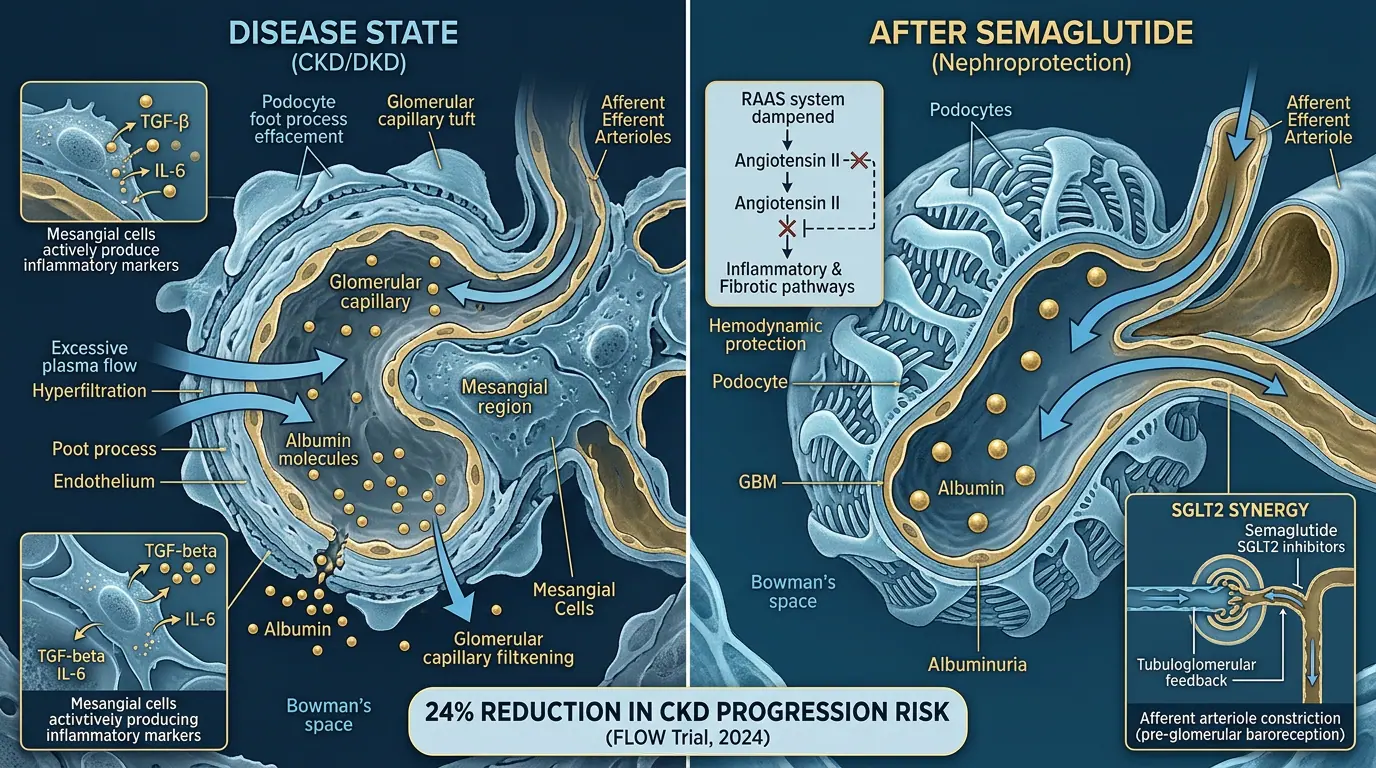
Image description
The illustration presents Kidney structure relevant to FLOW and CKD dosing.
Clinical interpretation
Semaglutide and liraglutide usable down to eGFR thresholds per SPC; no renal dose adjustment for most weekly agents until dialysis — still individualise volume status.
Figure 2
Nephron — GLP-1 receptor expression
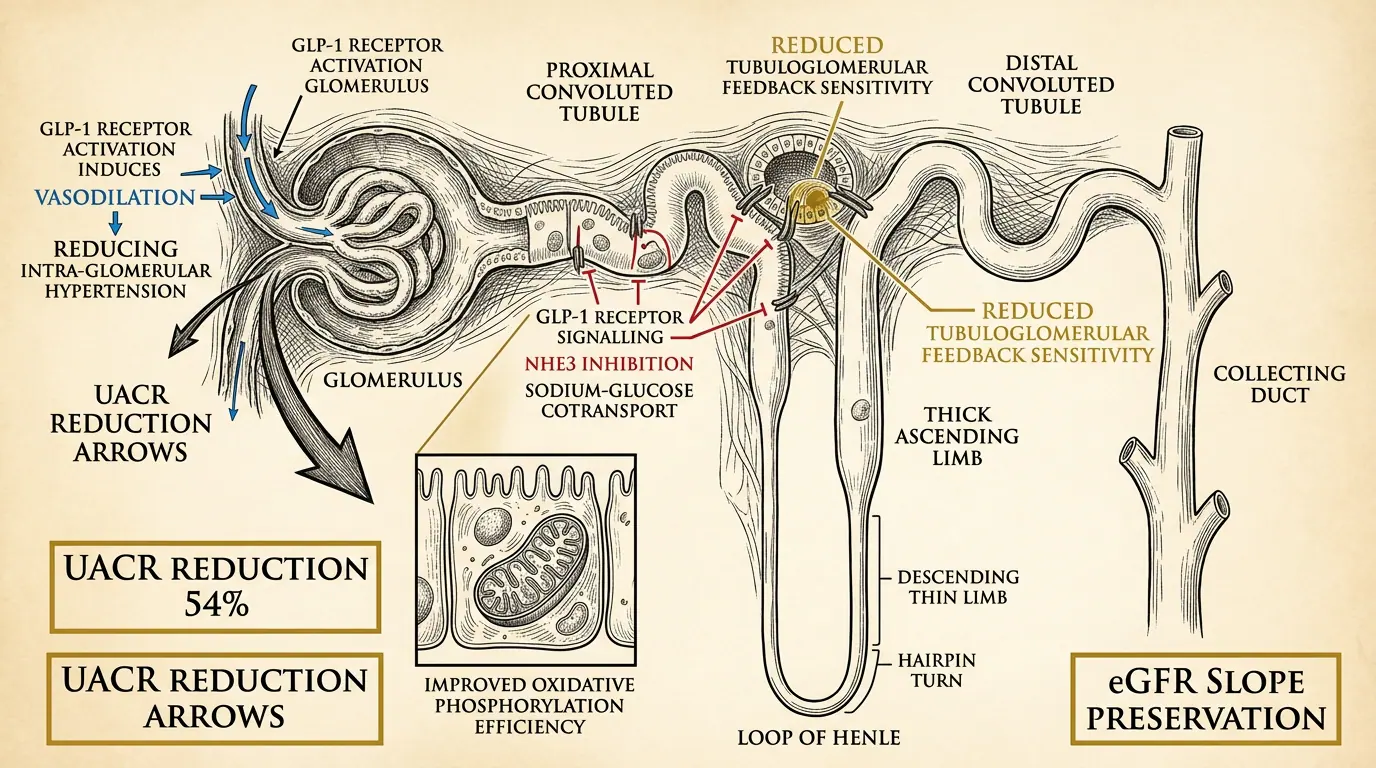
Image description
The illustration presents Proximal tubule GLP-1R may mediate natriuresis and renoprotection.
Clinical interpretation
Experimental and clinical data suggest direct renal effects beyond glycaemia — albuminuria reduction observed in several trials.
Figure 3
Diabetic kidney disease pathology
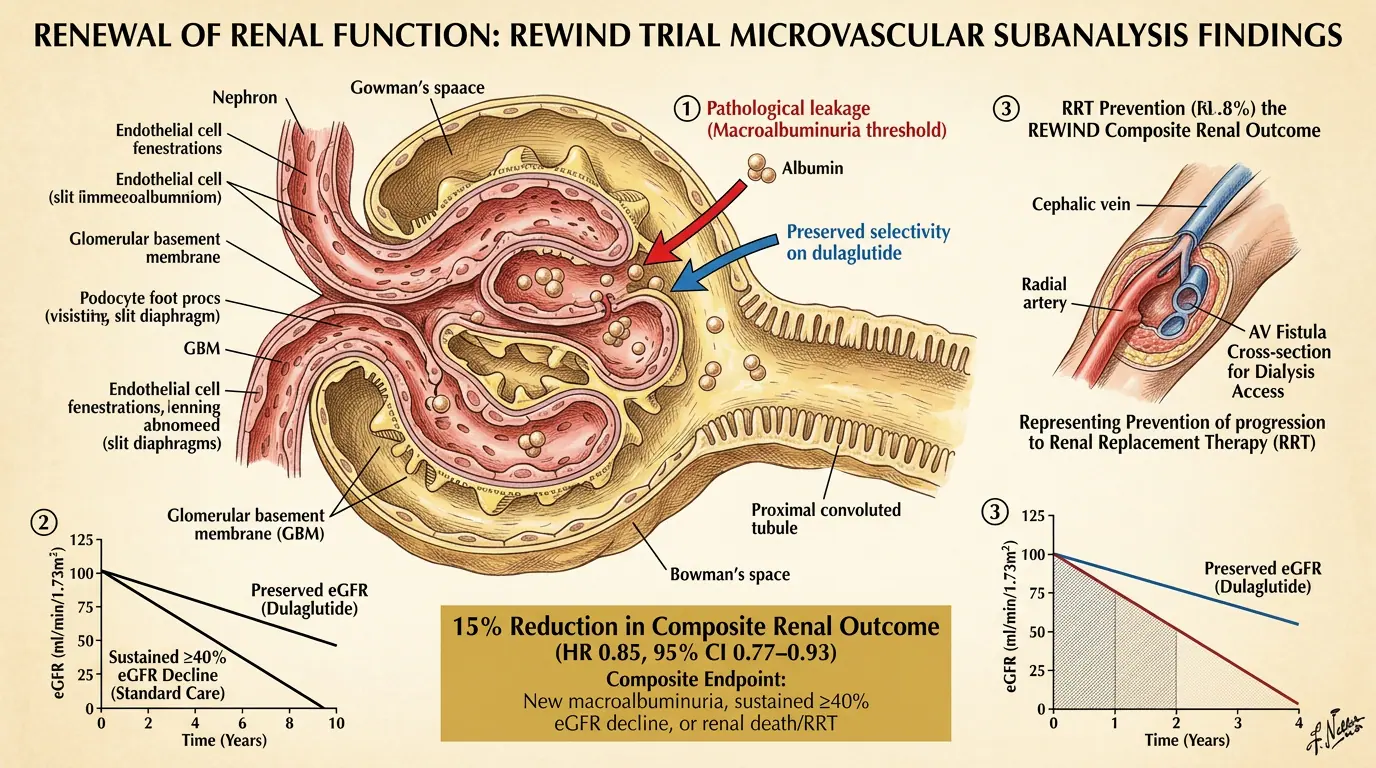
Image description
The illustration presents Glomerulosclerosis and albuminuria as treatment targets.
Clinical interpretation
FLOW trial supports GLP-1 RA in albuminuric CKD with T2DM — often combined with SGLT2 inhibitor and RAAS blockade.
Figure 4
Renal physiology — FLOW trial context
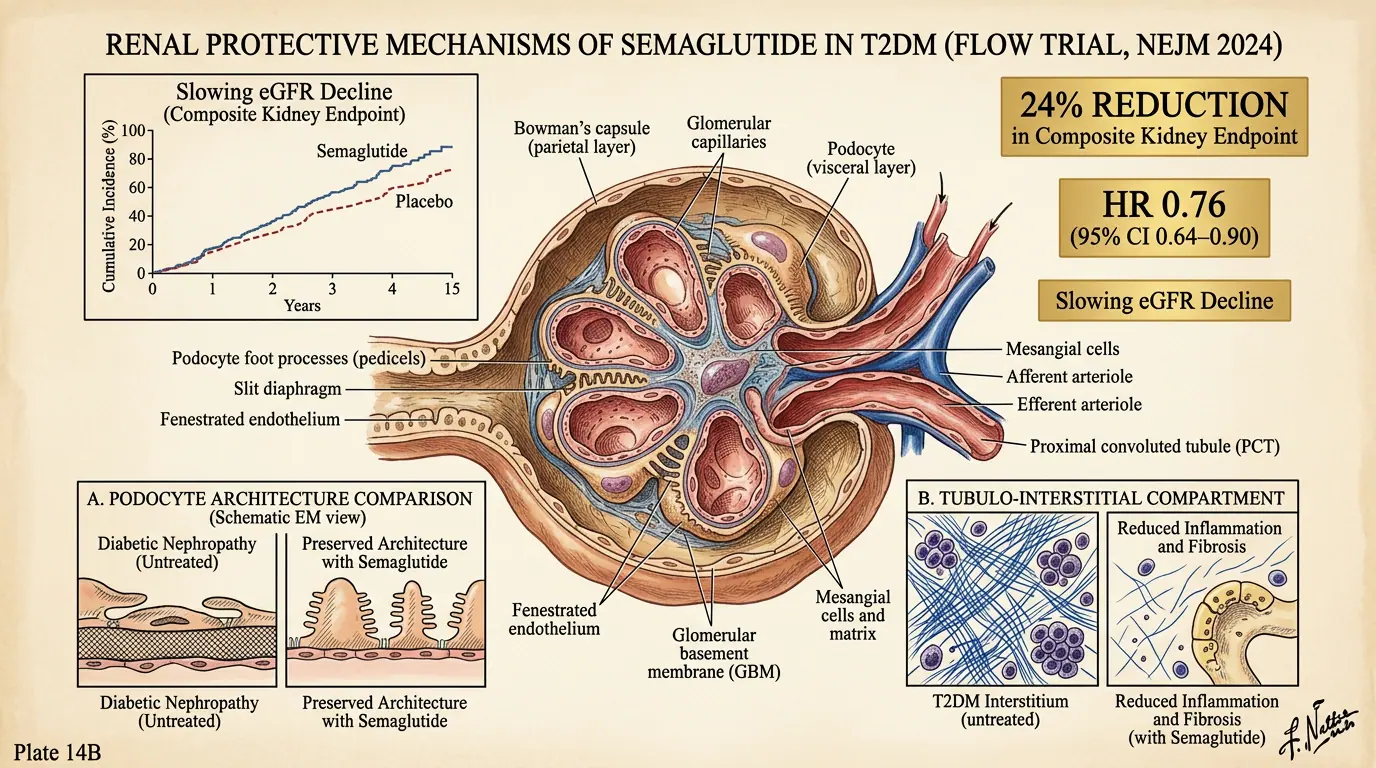
Image description
The illustration presents Haemodynamic and structural renal endpoints in trials.
Clinical interpretation
Composite endpoints include sustained eGFR decline, ESKD, and renal death — clinically meaningful for nephrology referral timing.
Figure 5
Podocyte and glomerular filtration barrier
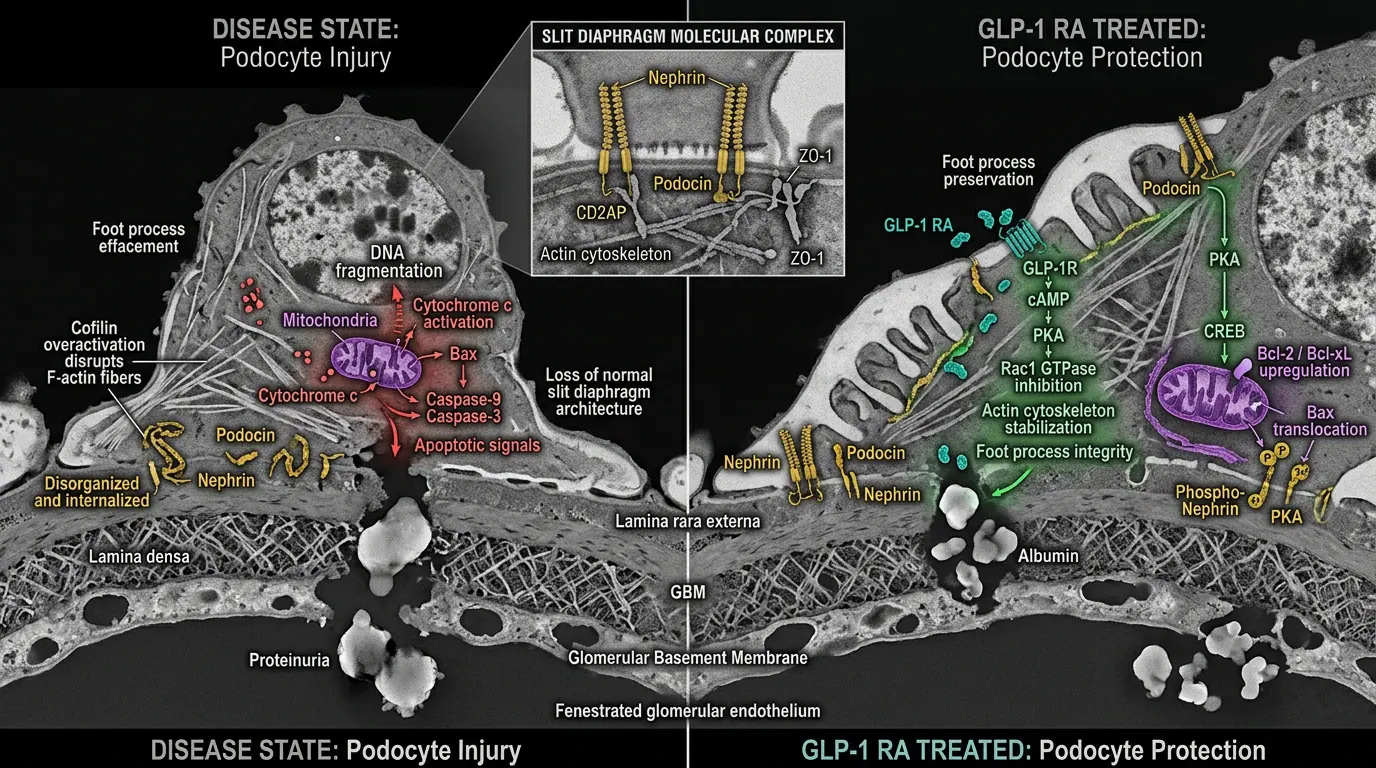
Image description
The illustration presents Cellular level of albuminuria reduction mechanisms.
Clinical interpretation
Preclinical work suggests GLP-1 RAs reduce inflammation and improve podocyte health — human histological confirmation is limited.
Cardiorenal syndrome
Figure 6
Cardiorenal metabolic syndrome
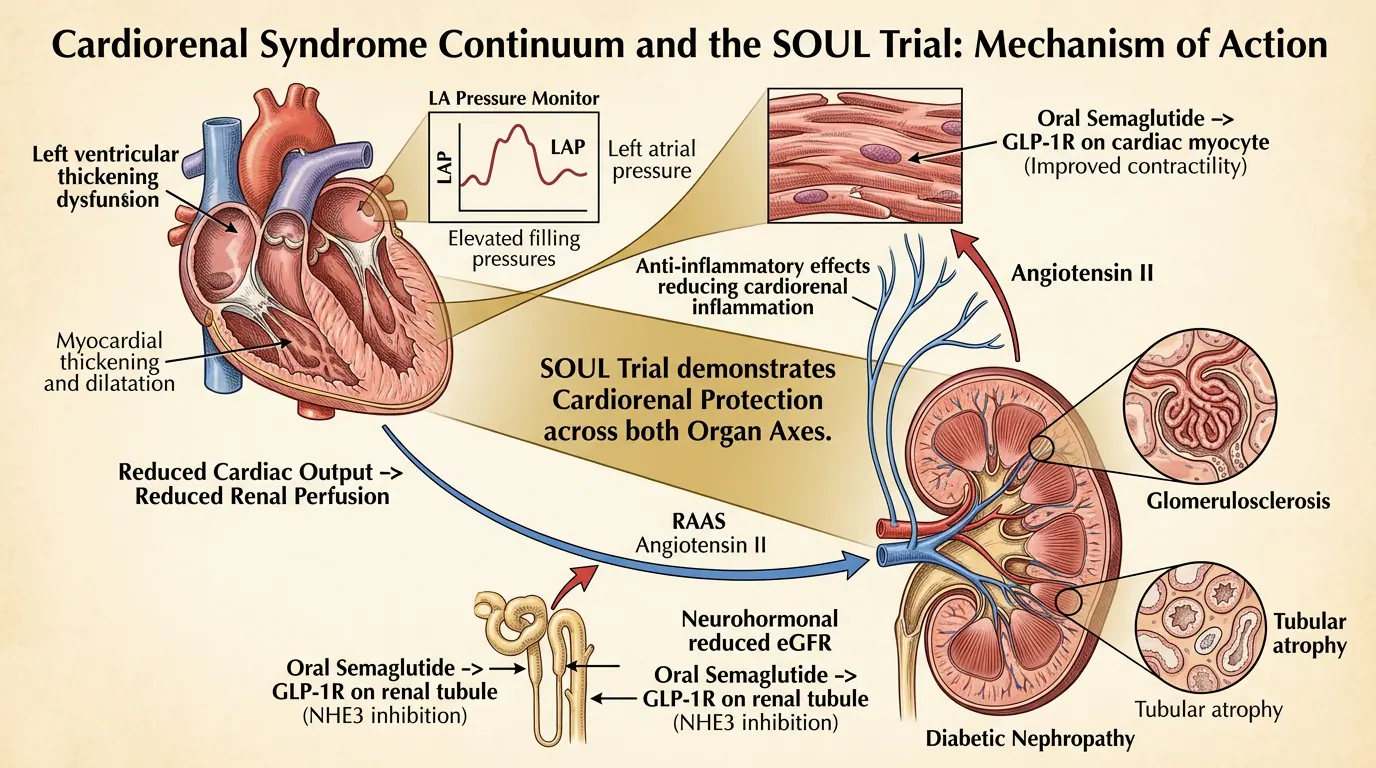
Image description
The illustration presents Intersection of HF, CKD, and diabetes — combination therapy zone.
Clinical interpretation
Patients with T2DM, HF, and CKD benefit from SGLT2i + GLP-1 RA when tolerated — careful diuretic and BP management required.
Figure 7
Neurohormonal activation in HF/CKD
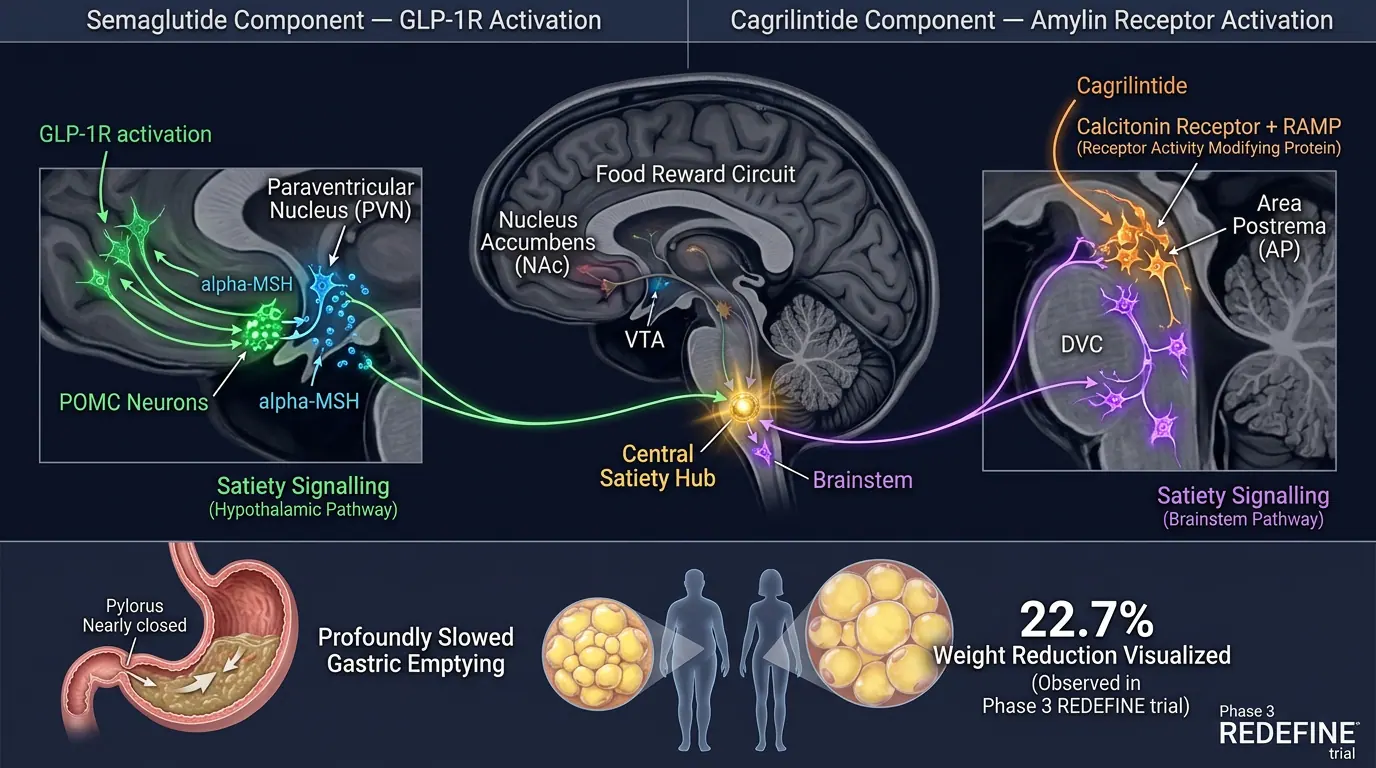
Image description
The illustration presents RAAS, SNS, and GLP-1 modulatory effects.
Clinical interpretation
GLP-1 RAs do not replace RAAS inhibitors but may add complementary benefits in cardiorenal metabolic syndrome.
Hepatic disease
Figure 8
Hepatic lipogenesis & MASH
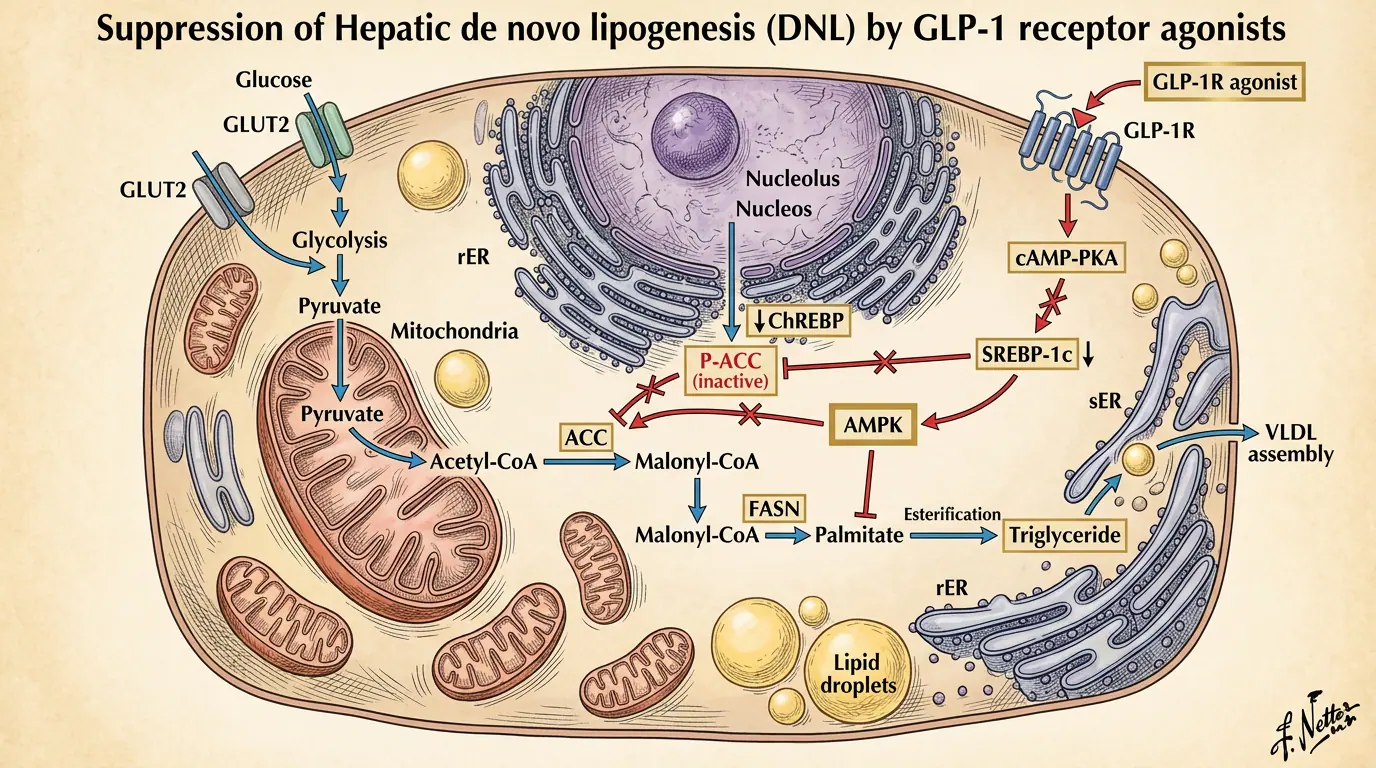
Image description
The illustration presents GLP-1 RAs reduce steatosis in MASH trials.
Clinical interpretation
Semaglutide 2.4 mg achieved histological MASH resolution in Phase 3 — regulatory obesity/Mash indications evolving; monitor gallbladder risk.
Figure 9
Hepatic lobule — semaglutide MASH effects
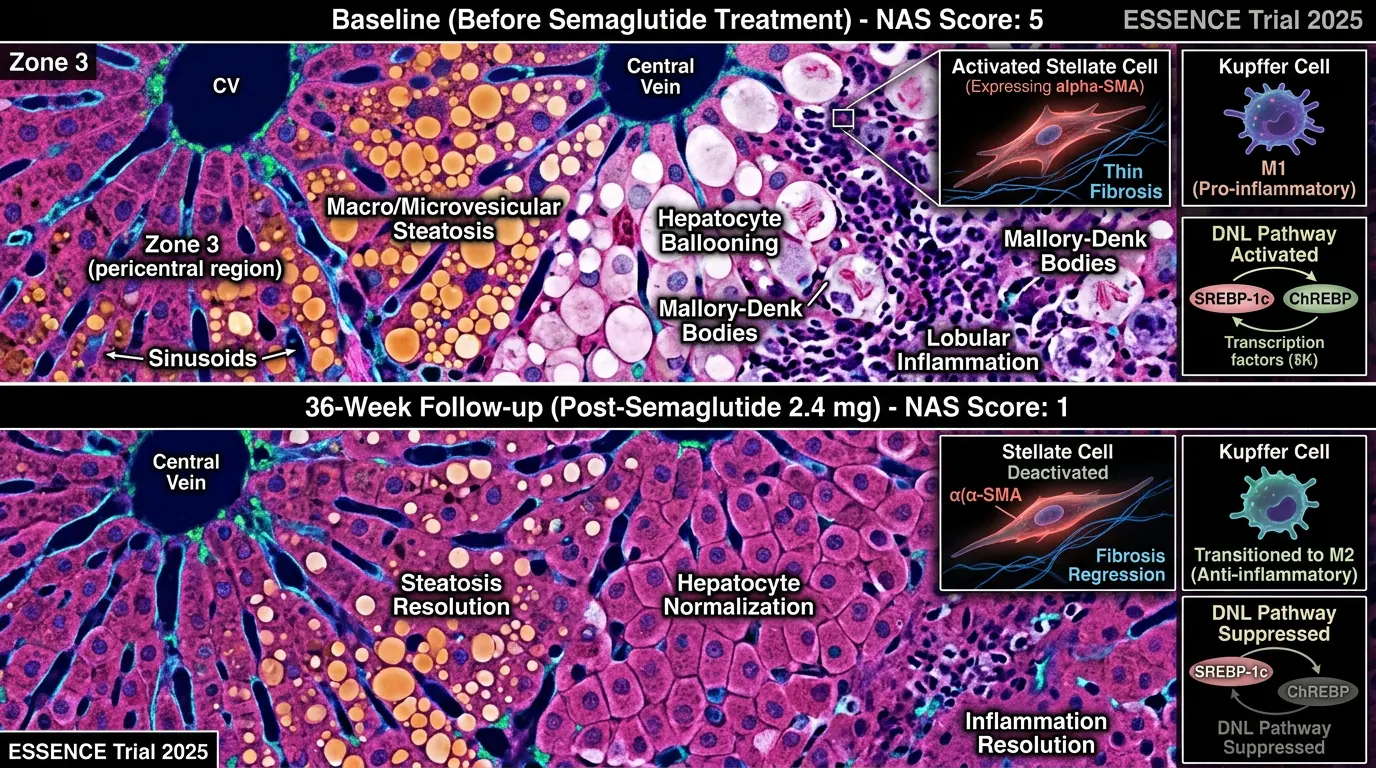
Image description
The illustration presents Liver histology improvements in ESSENCE programme.
Clinical interpretation
Weight loss and direct hepatic effects reduce steatosis and inflammation markers; cirrhosis populations need specialist input.
Figure 10
Hepatocyte metabolism
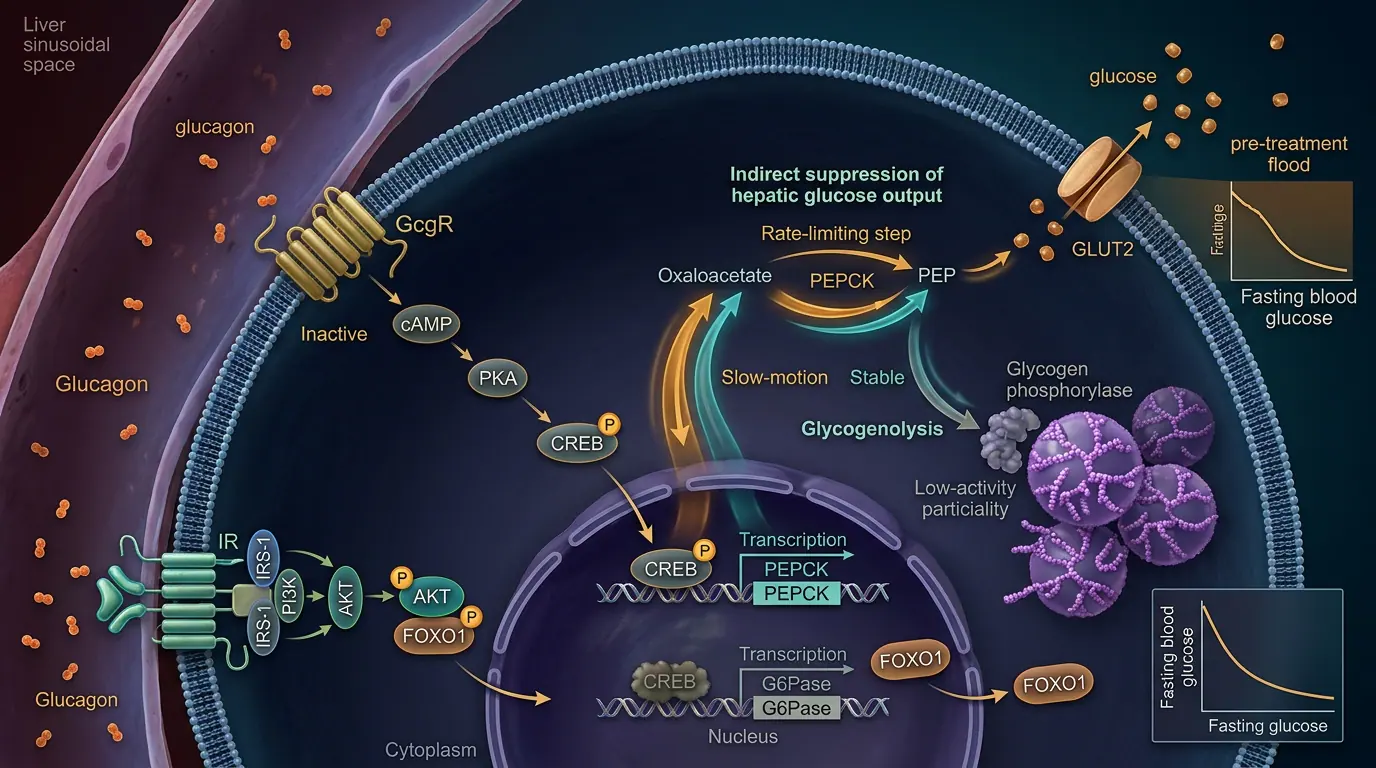
Image description
The illustration presents Intracellular fat handling under GLP-1R activation.
Clinical interpretation
Reduced de novo lipogenesis and improved insulin sensitivity in liver — complementary to weight loss.
Figure 11
Emerging hepatic therapies landscape
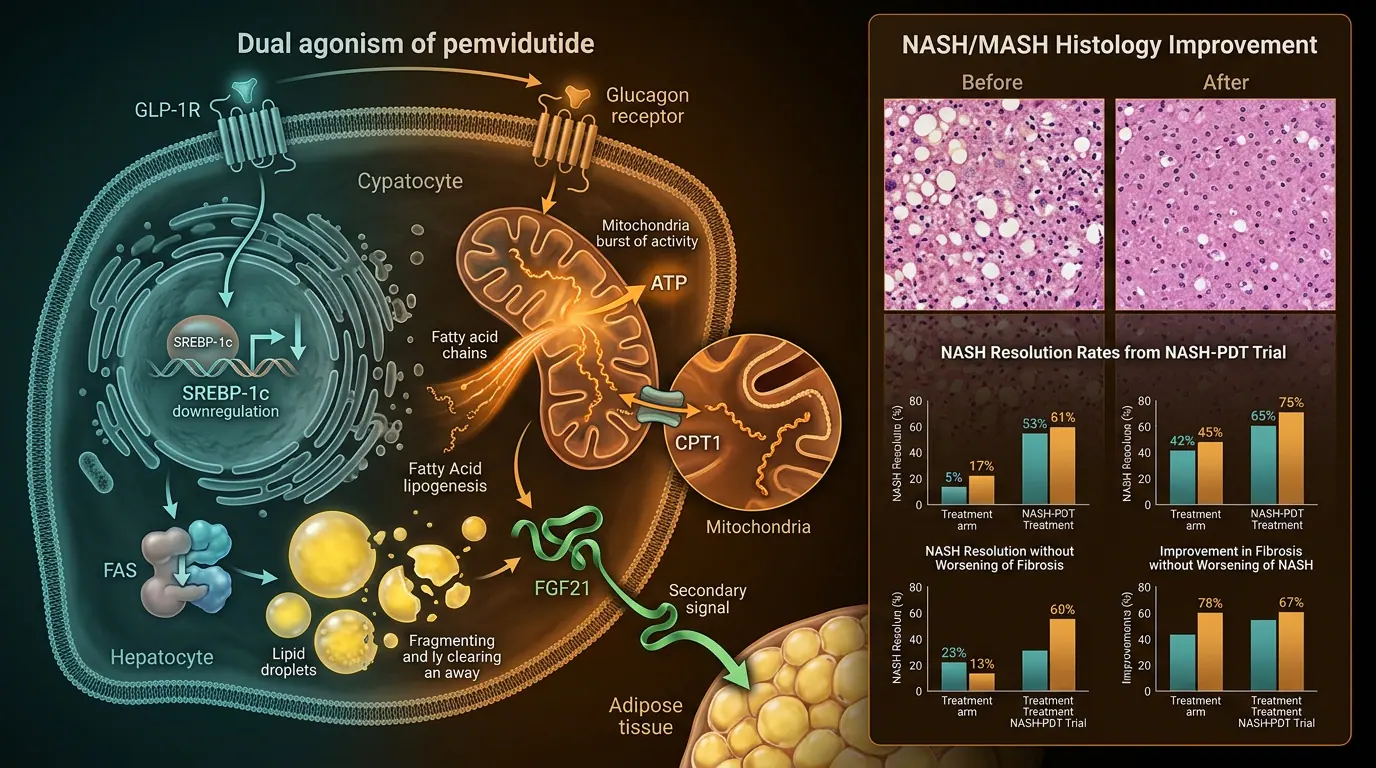
Image description
The illustration presents GLP-1-based combinations in MASH pipeline.
Clinical interpretation
Triple agonists and GLP-1 + FGF21 combinations in development — semaglutide remains current benchmark.
Figure 12
Semaglutide MASH histological outcomes
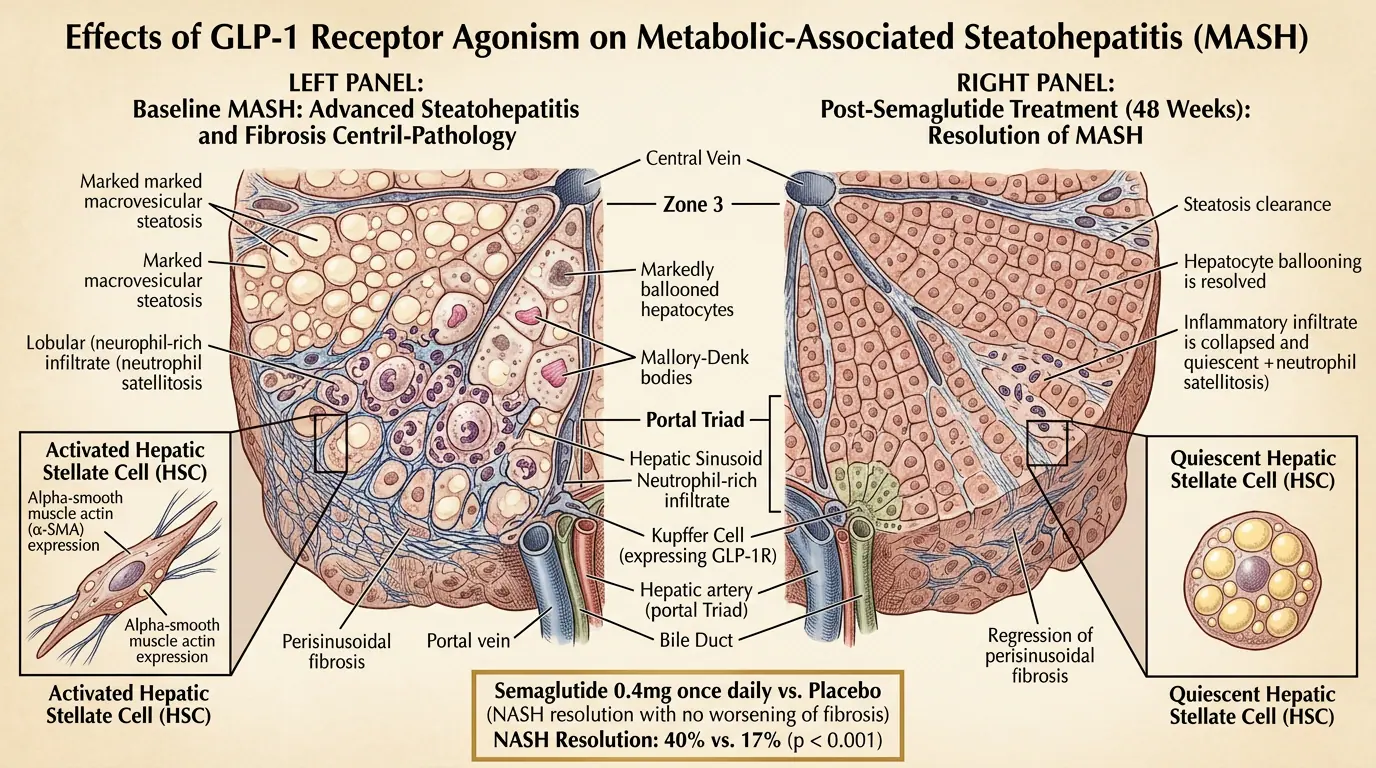
Image description
The illustration presents NASH resolution and fibrosis improvement data.
Clinical interpretation
Informs hepatology referral and combined lifestyle + pharmacotherapy plans for MASLD.
Neurology
Figure 13
Neuroprotection — Parkinson disease research
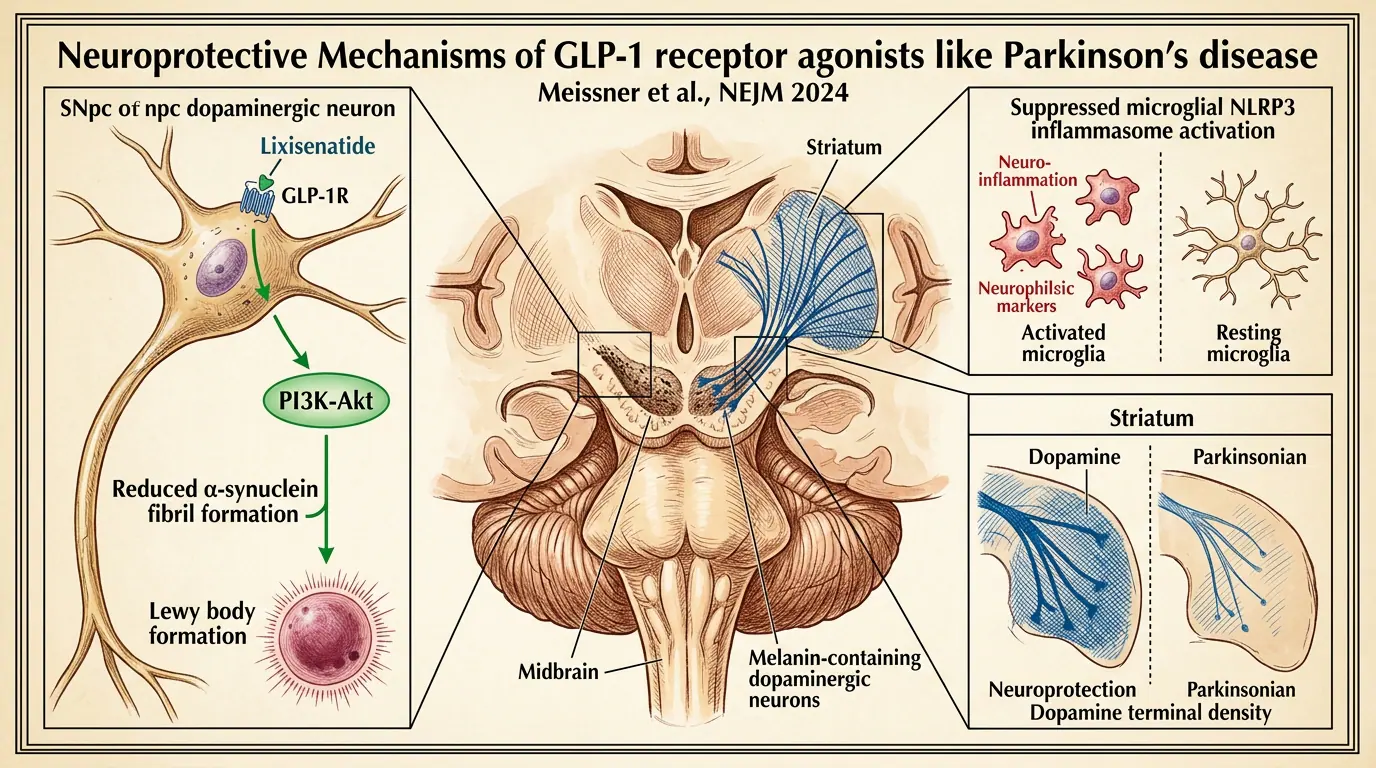
Image description
The illustration presents Exploratory GLP-1 RA trials in neurodegeneration.
Clinical interpretation
Exenatide once-weekly showed modest motor benefits in small PD trials; larger studies ongoing — not standard of care.
Figure 14
Hippocampal neurons — cognitive research
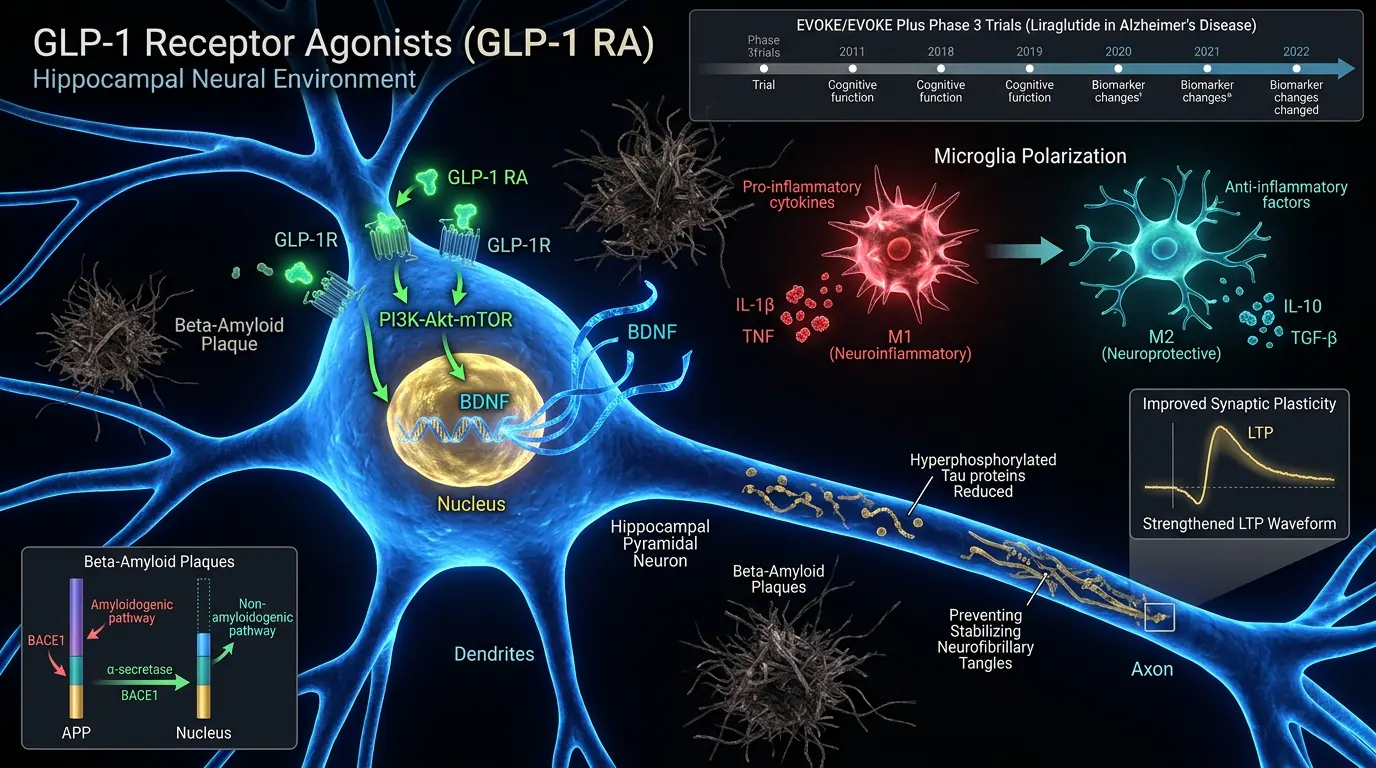
Image description
The illustration presents Preclinical neuroprotection hypotheses.
Clinical interpretation
Linked to Alzheimer prevention trials — mechanistic plausibility from reduced neuroinflammation and improved metabolic risk factors.
Figure 15
Neuroendocrine axis
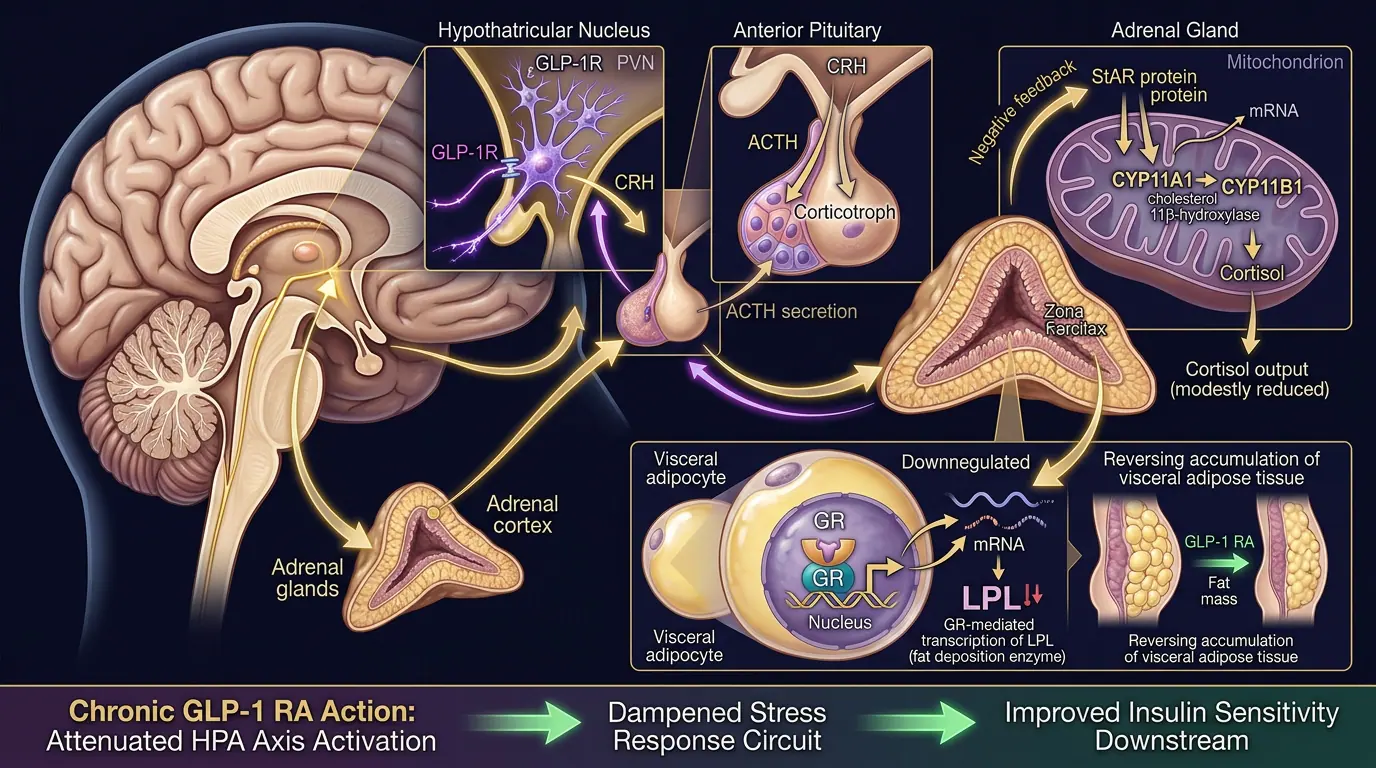
Image description
The illustration presents Hypothalamic–pituitary–peripheral hormone integration.
Clinical interpretation
GLP-1 sits at intersection of metabolic and stress axes — relevant to appetite, mood, and autonomic effects.
Special populations
Figure 16
Female reproductive endocrinology
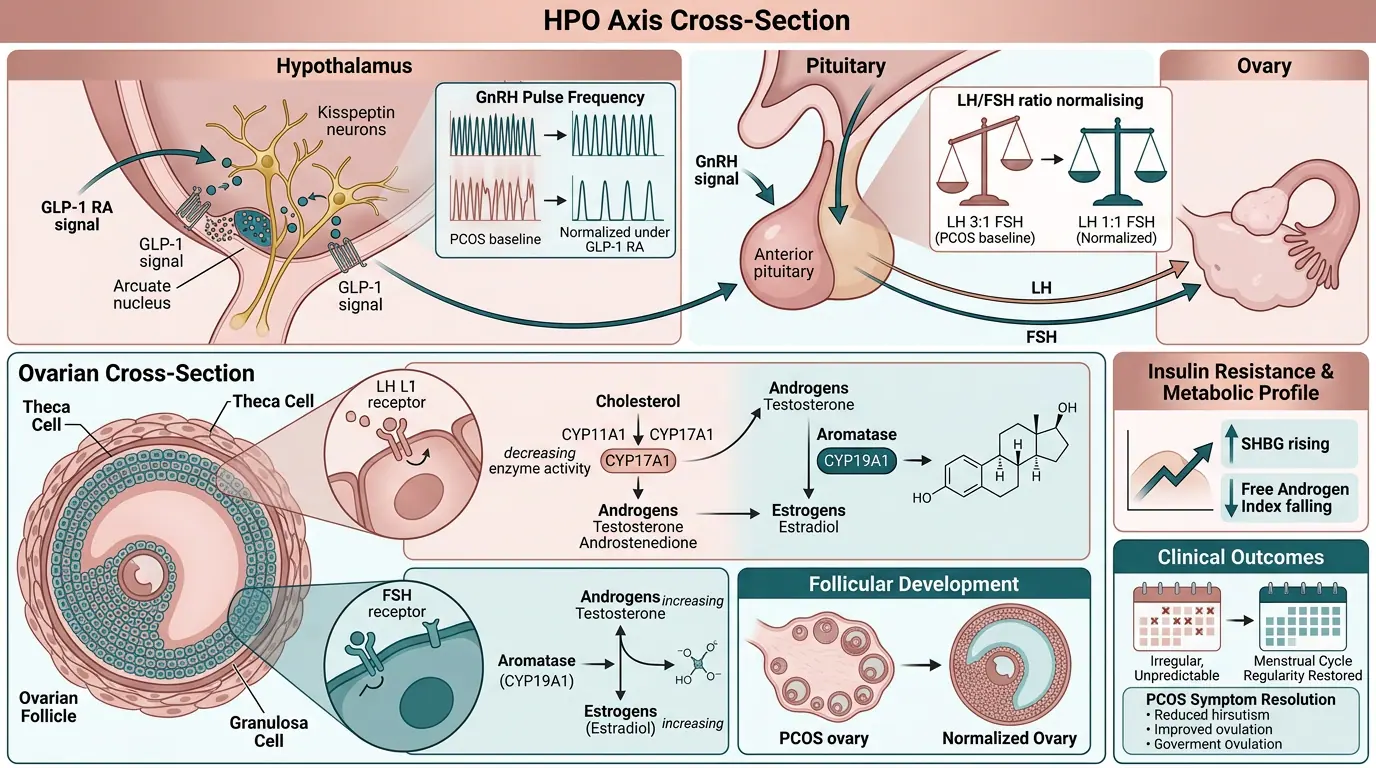
Image description
The illustration presents PCOS, fertility, and contraception counselling.
Clinical interpretation
GLP-1 RAs improve ovulation and weight in PCOS; discontinue 2 months before planned pregnancy (semaglutide SPC). No adequate human pregnancy data — avoid unless benefit outweighs risk.
Musculoskeletal
Figure 17
Bone microarchitecture & weight loss
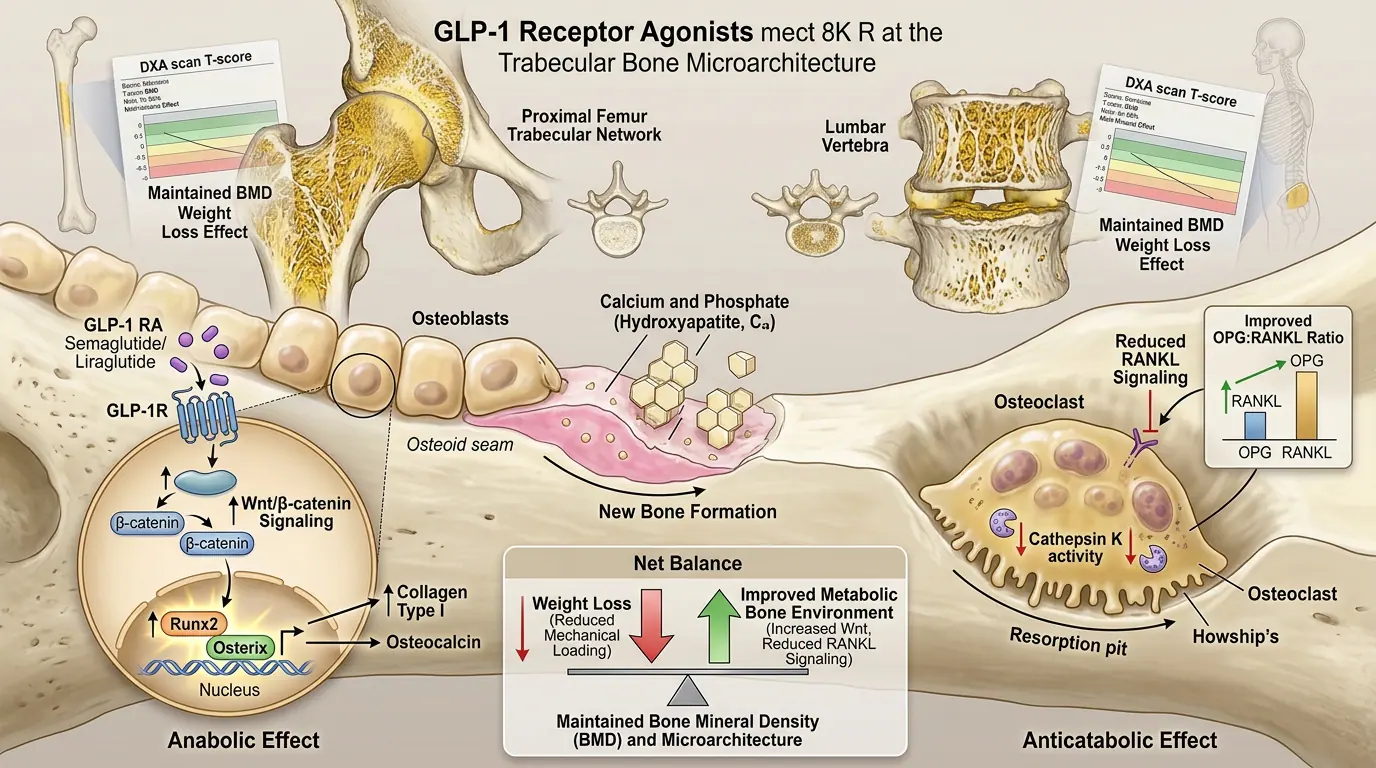
Image description
The illustration presents Bone density monitoring with large weight loss.
Clinical interpretation
Weight loss can reduce BMD; FRAX reassessment and resistance exercise advised in older patients on high-dose obesity therapy.
Figure 18
Skeletal muscle & sarcopenia risk
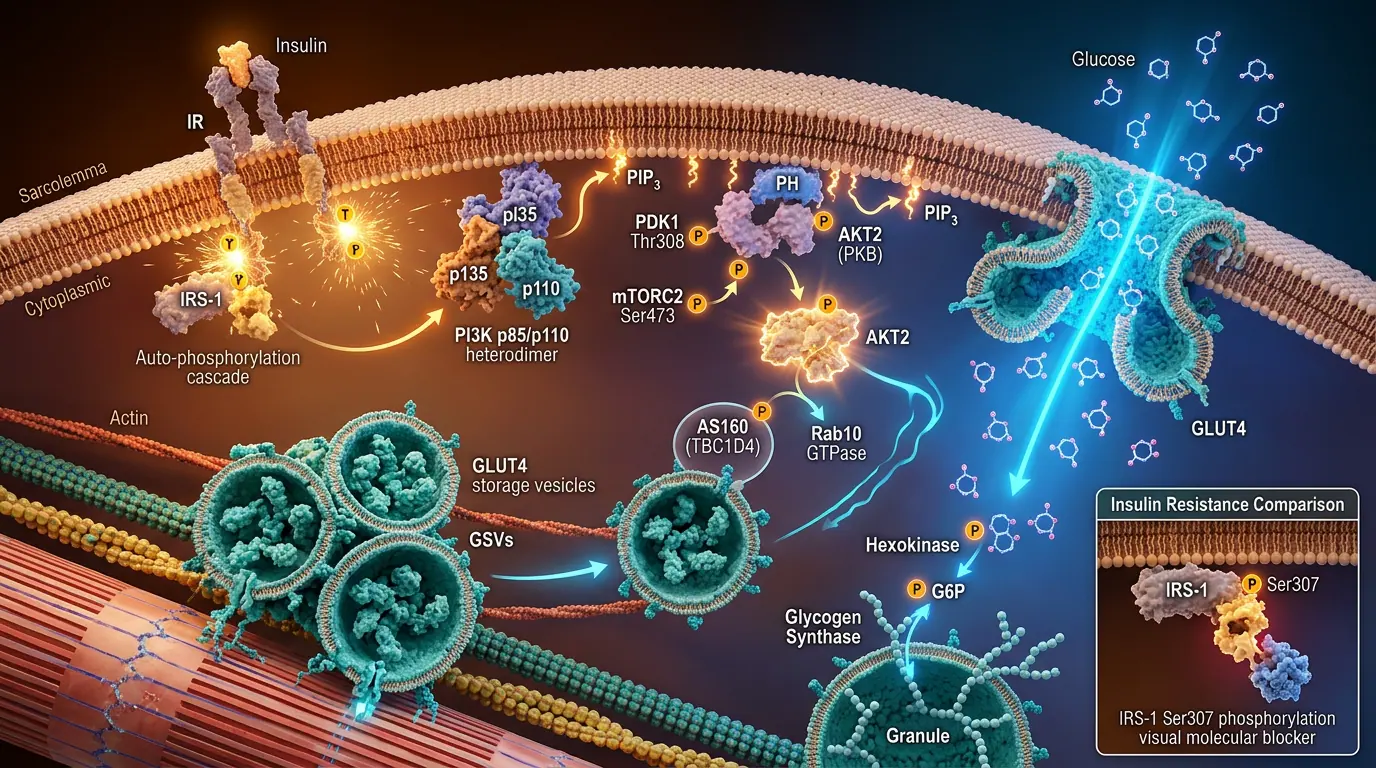
Image description
The illustration presents Lean mass preservation during GLP-1-induced weight loss.
Clinical interpretation
Resistance training and protein targets (1.2–1.6 g/kg/day where appropriate) are recommended especially in older adults and frailty.
Clinical FAQs
Frequently asked questions
Can GLP-1 agonists be used in chronic kidney disease?
Several GLP-1 agonists can be used across a range of renal function and some show renal-protective signals in trials. Dose adjustment and monitoring depend on the specific drug and eGFR; consult the SmPC.