
GLP-1 Receptor Agonists —
Drug Classes & Pipeline
The most comprehensive classification of GLP-1 receptor agonists available — from first-generation exendin-4 analogues through to next-generation triple agonists, oral small-molecule agents, and investigational compounds entering trials through 2030. Each entry covers structural pharmacology, licensed indications, pivotal trial data, and UK prescribing status.
Drug Class Taxonomy
Structural classification and therapeutic positioning
GLP-1 receptor agonists are classified by their structural origin, half-life strategy, and receptor selectivity. The field has evolved from simple peptide analogues of native GLP-1 to sophisticated multi-receptor co-agonists and, most recently, oral non-peptide small molecules — a trajectory from parenteral peptides to daily oral tablets that mirrors the historical arc of insulin therapy.
The classification used here distinguishes seven generations based on primary pharmacological innovation:
Regulatory Approval History
FDA and EMA approvals 2005–2026 and projected beyond
Exendin-4 Analogues
Short-acting · Non-human peptide origin · 53% GLP-1 homology
The first generation of GLP-1 RAs is structurally derived from exendin-4, a 39-amino-acid peptide isolated from the venom of the Gila monster (Heloderma suspectum). Despite only 53% sequence identity with human GLP-1, exendin-4 binds and activates the human GLP-1 receptor with high affinity — and crucially, its position-2 glycine substitution (vs alanine in GLP-1) confers complete resistance to DPP-4 cleavage. This provided the structural proof of concept that a non-human peptide could form the basis of effective GLP-1R agonist therapy.
Fatty Acid–Acylated Analogues
Once daily · ≥94% GLP-1 homology · Albumin-binding strategy
The second generation introduced the pivotal innovation of fatty acid acylation to achieve extended plasma half-life through non-covalent albumin binding. Rather than relying on non-human peptide sequences for DPP-4 resistance, these agents are near-identical to human GLP-1 but modified at strategic positions to resist degradation and bind plasma albumin, dramatically extending circulating half-life.
Ultra-Long-Acting Once-Weekly Agents
Semaglutide · Dulaglutide · Efpeglenatide · Fatty diacid or Fc-fusion strategies
Generation III agents achieve once-weekly dosing through structural innovations that extend half-life to 5–7 days. Two distinct strategies are employed: enhanced fatty acid acylation (semaglutide: C18 fatty diacid with PEG spacer, achieving stronger albumin binding than liraglutide's C16 chain) and Fc-fusion protein technology (dulaglutide: IgG4 Fc domain linked to two GLP-1 peptides, leveraging FcRn recycling). This generation represents the current standard of care for GLP-1 RA therapy in type 2 diabetes and obesity.
Dual GIP/GLP-1 Co-Agonists
Tirzepatide — dual incretin pharmacology · comparative trial evidence
Generation IV represents the most significant pharmacological advance since the introduction of GLP-1 RAs — the first agent designed as a single-molecule dual incretin co-agonist acting at both the GIP receptor and GLP-1 receptor simultaneously. This is mechanistically distinct from simply combining two separate agonists: tirzepatide is a single peptide optimised to activate both receptors with specific potency ratios and biased signalling characteristics that produce synergistic rather than additive effects.
Fixed-Ratio Insulin Combinations
IDegLira · IGlarLixi · Co-formulated basal insulin + GLP-1 RA
Fixed-ratio combination products co-formulate a basal insulin with a GLP-1 RA in a single pen device, administered as a single daily injection. They are designed to provide complementary glycaemic mechanisms — basal insulin addresses fasting hyperglycaemia while the GLP-1 RA reduces postprandial excursions and attenuates insulin-related weight gain — with simplified injection burden compared with separate titration of each agent.
Oral GLP-1 Receptor Agonists
Peptide-based (SNAC) and non-peptide small-molecule approaches
The oral delivery of GLP-1 RAs represents the most commercially significant challenge in incretin pharmacology. Two distinct approaches have now reached regulatory approval: oral peptide delivery (semaglutide enabled by SNAC absorption technology, licensed 2019) and oral non-peptide small-molecule GLP-1 RAs (orforglipron/Foundayo FDA approved April 2026, danuglipron in Phase 3). Small-molecule agents do not require absorption enhancers, have no food interaction constraints, are manufacturable without recombinant biology, and could transform access economics in low-income settings. Orforglipron's approval marks a watershed moment — the first small-molecule GLP-1 RA, enabling true generic development rather than biosimilars.
Triple Agonists — GIP + GLP-1 + Glucagon
Retatrutide · Mazdutide · Adding energy expenditure to dual incretin signalling
The third receptor target — the glucagon receptor (GCGR) — adds a fundamentally new mechanism to the dual incretin framework. Glucagon stimulates hepatic gluconeogenesis (raising glucose) but simultaneously increases energy expenditure through brown adipose tissue thermogenesis, hepatic fatty acid oxidation, and lipolysis. In isolation, glucagon receptor agonism causes hyperglycaemia — making it pharmacologically incompatible with metabolic disease treatment. But combined with GLP-1R agonism (which powerfully suppresses glucose elevation and insulin-independent glucose disposal), the hyperglycaemic effect of glucagon is neutralised while its energy-expenditure-promoting effects are retained — a pharmacologically elegant co-dependency.
Novel Mechanisms & Combination Strategies
GLP-1/amylin · GLP-1/FGF21 · GLP-1/GIP/Amylin · Brain-biased agonism · 2025–2030 horizon
The Future Landscape — 2026–2030
Projected approvals · Combination pharmacology · Delivery innovation · Biosimilars
The GLP-1 RA therapeutic landscape is undergoing the most rapid period of pharmacological innovation since insulin's introduction. By 2030, the therapeutic class is expected to encompass agents addressing mechanisms far beyond glycaemia and weight, with implications for heart failure, neurodegenerative disease, addiction, and — through biosimilar entry — global access transformation.
| Agent | Class | Company | Indication | Expected | Status |
|---|---|---|---|---|---|
| Orforglipron | Oral non-peptide GLP-1 RA | Eli Lilly | T2DM + Obesity | 2025–2026 | Phase 3 |
| CagriSema | GLP-1 + Amylin | Novo Nordisk | Obesity | 2026 | Phase 3 |
| Retatrutide | Triple GIP/GLP-1/GCG | Eli Lilly | Obesity + T2DM | 2026–2027 | Phase 3 |
| Tirzepatide (obesity) | Dual GIP/GLP-1 | Eli Lilly | Weight management (Mounjaro UK) | Authorised 2023 | UK authorised |
| Amycretin (SC) | GLP-1 + Amylin (single molecule) | Novo Nordisk | Obesity | 2027 | Phase 2 |
| Semaglutide implant | 6-month depot GLP-1 RA | Novo Nordisk | T2DM + Obesity | 2027–2028 | Phase 2 |
| GLP-1/FGF21 bispecific | GLP-1 + FGF21 | Novo Nordisk / others | MASH + Obesity | 2028+ | Phase 1–2 |
| Semaglutide biosimilar | Biosimilar GLP-1 RA | Multiple (Mylan, Sun, Biocon) | T2DM / Obesity | 2028–2030 | Development |
The GLP-1 receptor is expressed broadly across tissues with implications beyond metabolic disease. Several expanding indications are supported by emerging evidence:
Full Comparison Table
All licensed and late-stage agents — side by side
| Drug | Class | Route | Frequency | t½ | HbA1c↓ | Weight↓ | CV Trial | UK Status |
|---|---|---|---|---|---|---|---|---|
| Exenatide IR | Exendin-4 | SC | Twice daily | 2.4 h | 0.8–1.5% | ~2–3 kg | EXSCEL (neutral) | Licensed |
| Exenatide XR | Exendin-4 + PLGA | SC | Weekly | ~2 wks | 1.3–1.9% | ~3 kg | EXSCEL (neutral) | Licensed |
| Lixisenatide | Exendin-4 modified | SC | Once daily | 3 h | 0.8–1.0% | ~2 kg | ELIXA (neutral) | Licensed |
| Liraglutide | Human GLP-1 + C16 | SC | Once daily | 13 h | 1.0–1.6% | ~5–6 kg | LEADER ✓ (−13%) | Licensed |
| Dulaglutide | GLP-1 × IgG4 Fc | SC | Weekly | 5 d | 1.1–2.0% | ~4–6 kg | REWIND ✓ (−12%) | Licensed |
| Semaglutide SC | Human GLP-1 + C18 | SC | Weekly | 7 d | 1.5–1.8% | 10–15% | SELECT ✓ (−20%) | Licensed ★ |
| Semaglutide oral | Human GLP-1 + SNAC | Oral | Once daily | 7 d | 0.9–1.4% | ~5 kg | PIONEER 6 (neutral) | Licensed |
| Tirzepatide | GIP + GLP-1 dual | SC | Weekly | 5 d | 2.0–2.6% | 15–22% | SURPASS-CVOT | Licensed (T2DM + Obesity) |
| CagriSema | GLP-1 + Amylin | SC | Weekly | 7 d | TBC | ~23% | Phase 3 ongoing | Phase 3 |
| Retatrutide | GIP + GLP-1 + GCG | SC | Weekly | 6 d | ~2.2% | ~24% | TRIUMPH (Phase 3) | Phase 3 |
| Orforglipron | Non-peptide oral GLP-1 RA | Oral | Once daily | ~12 h | 1.4–2.1% | ~9–13% | ATTAIN (Phase 3) | Phase 3 |
| Amycretin | GLP-1 + Amylin (single mol.) | Oral / SC | Weekly | TBC | TBC | ~22%+ | Phase 2 | Phase 2 |
| Albiglutide | GLP-1 × HSA fusion | SC | Weekly | 5 d | 0.7–1.0% | ~1 kg | HARMONY ✓ (−22%) | Withdrawn 2018 |
Data are summaries of published trials and regulatory sources and are not a prescribing ranking. HbA1c and weight changes vary by dose, comparator and population. CV trial outcomes marked ✓ indicate statistical superiority for the stated endpoint and comparator only. Approval status must be checked against the current MHRA product record. CV = cardiovascular; MACE = major adverse cardiovascular events; TBC = to be confirmed.
Visual reference for drug classes
Each illustration below is paired with a clinical summary and detailed explanation. Click any image to expand. Figures are numbered in teaching order and grouped by theme.
Licensed & pipeline agents
Individual GLP-1 receptor agonists
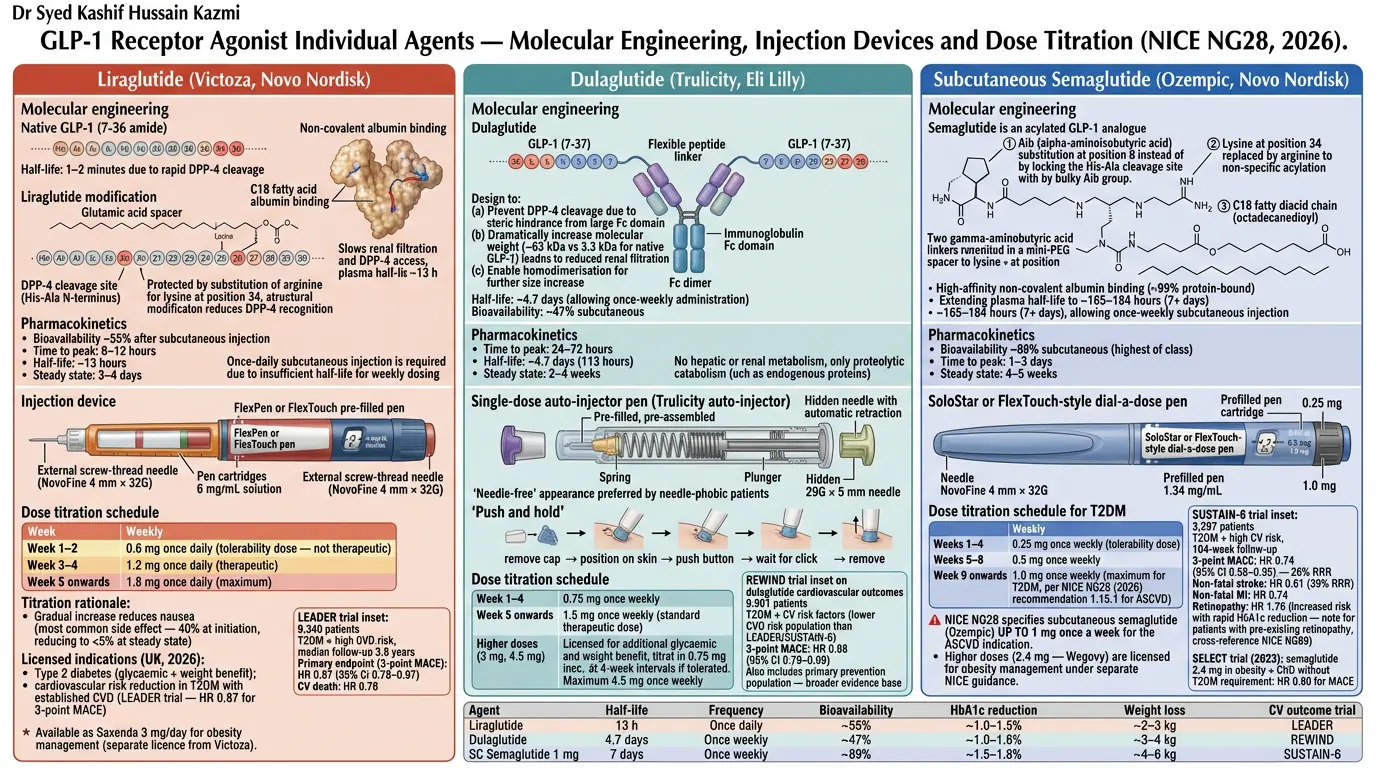
Image description
The illustration presents Structural classes from exendin-4 derivatives to acylated human GLP-1 analogues.
Clinical interpretation
Exenatide (exendin-4) was first-in-class; liraglutide introduced C16 acylation for albumin binding; semaglutide and dulaglutide extended half-life for weekly dosing; tirzepatide added GIP agonism. Each differs in potency, titration, device, and outcome trial evidence.
Tirzepatide pharmacodynamics
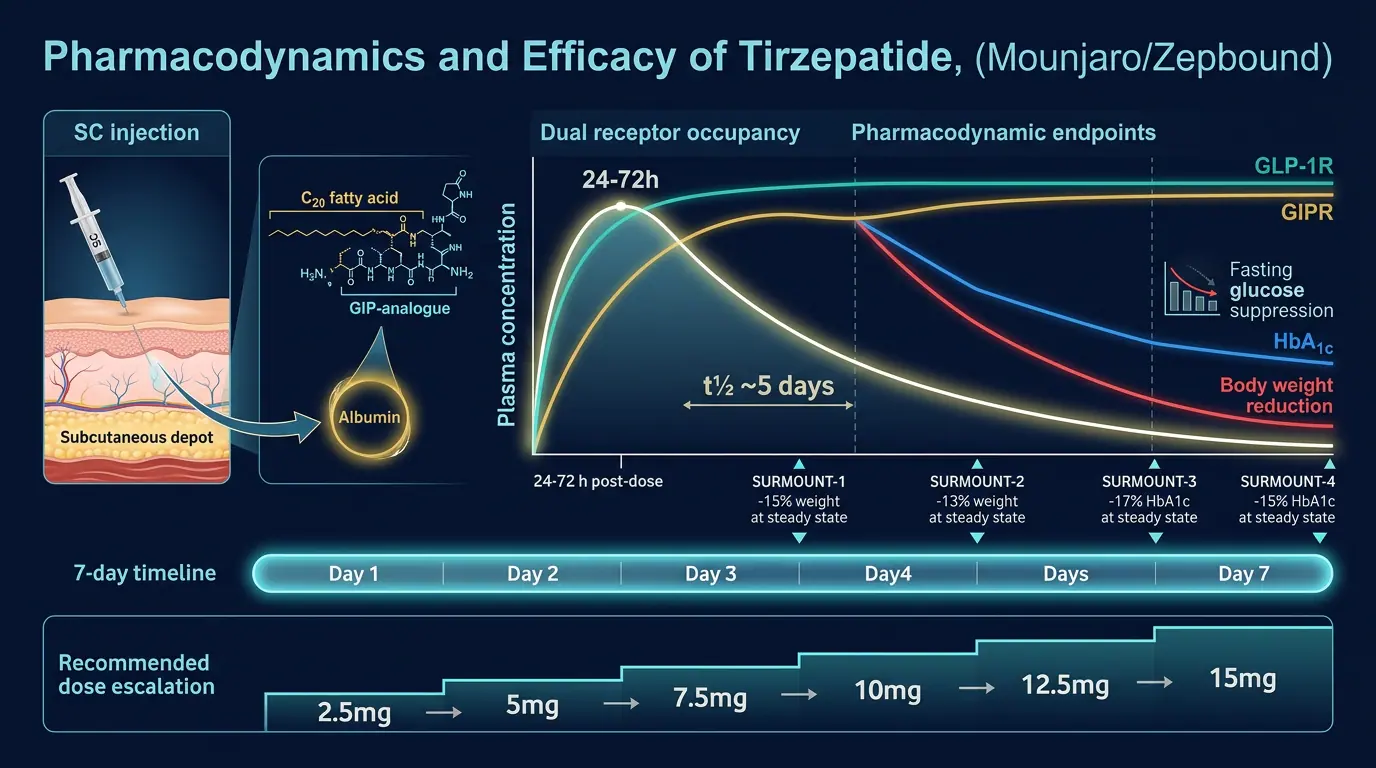
Image description
The illustration presents Dual incretin agonism with dose-dependent weight and HbA1c effects.
Clinical interpretation
Tirzepatide 5–15 mg weekly shows dose-dependent efficacy; SURMOUNT-1 achieved mean ~22% weight loss at 15 mg. Monitoring GI tolerability during escalation is standard practice.
Orforglipron — oral small-molecule GLP-1R agonist
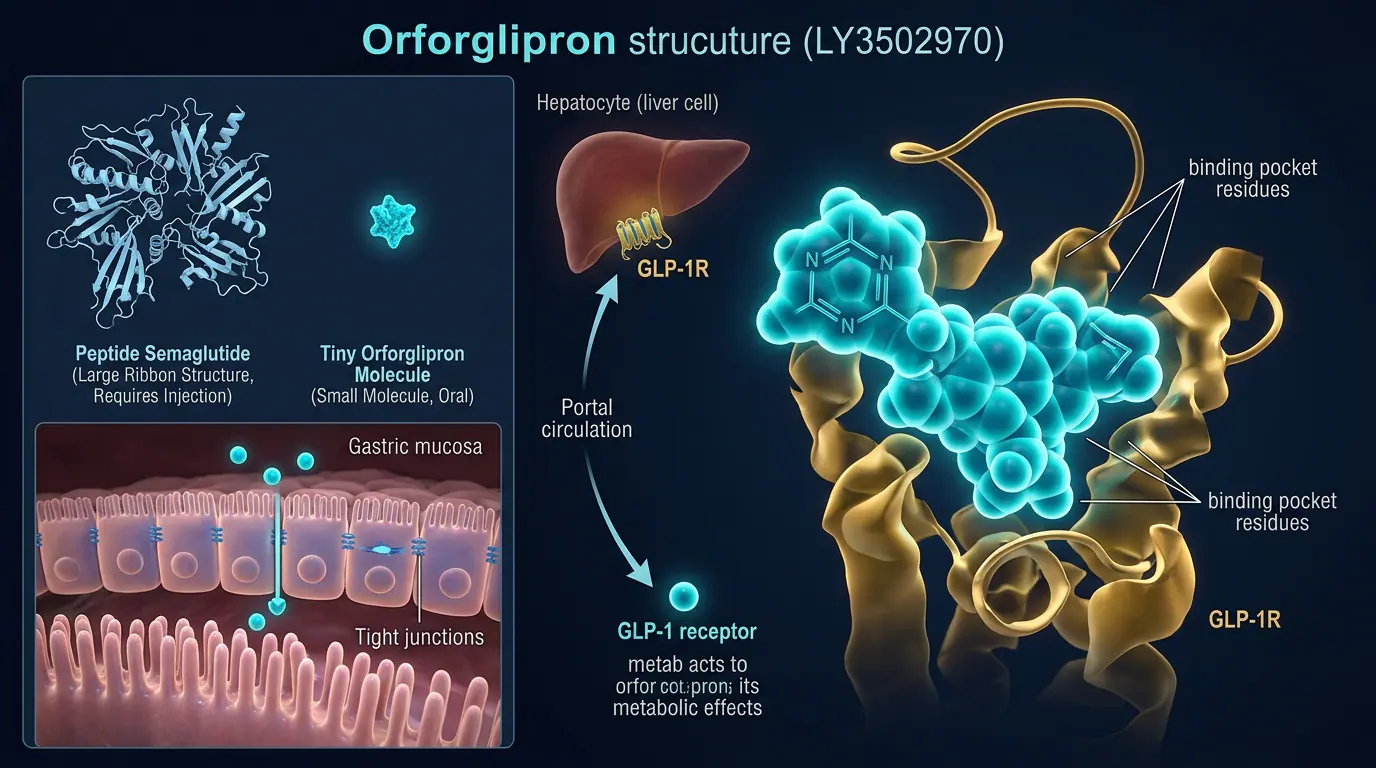
Image description
The illustration presents Non-peptide oral agent in Phase 3 (no cold chain, no injection).
Clinical interpretation
Orforglipron represents a paradigm shift if successful: oral daily dosing without peptide injection or complex fasting requirements. Efficacy and safety data from Phase 3 will define positioning versus oral semaglutide and injectable agents.
Albiglutide vs liraglutide (historical comparison)
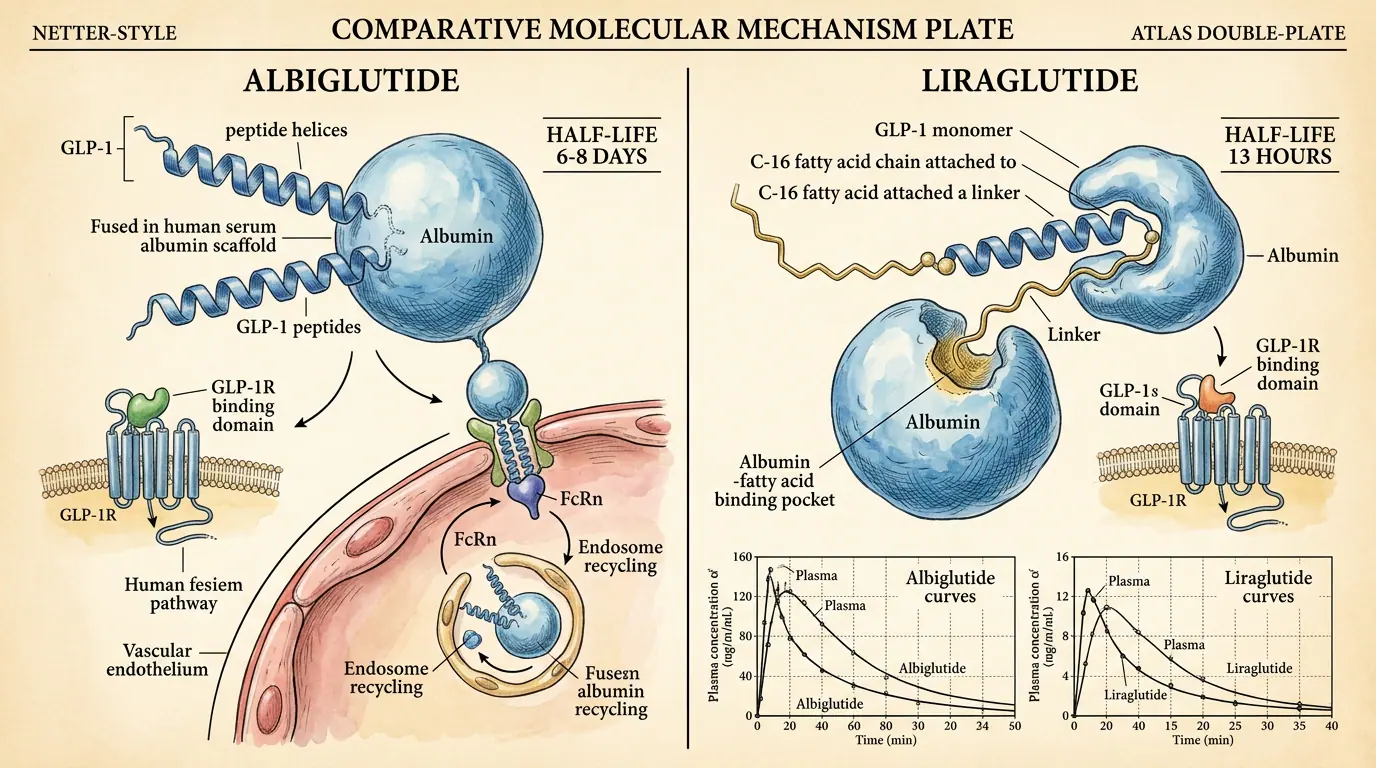
Image description
The illustration presents Albumin-fused albiglutide (withdrawn) illustrated weekly vs daily PK strategies.
Clinical interpretation
Albiglutide fused GLP-1 to albumin for weekly dosing but was withdrawn commercially; lessons informed semaglutide and dulaglutide development. Liraglutide remains a daily benchmark with extensive CV outcome data (LEADER).
Head-to-head molecular pharmacology
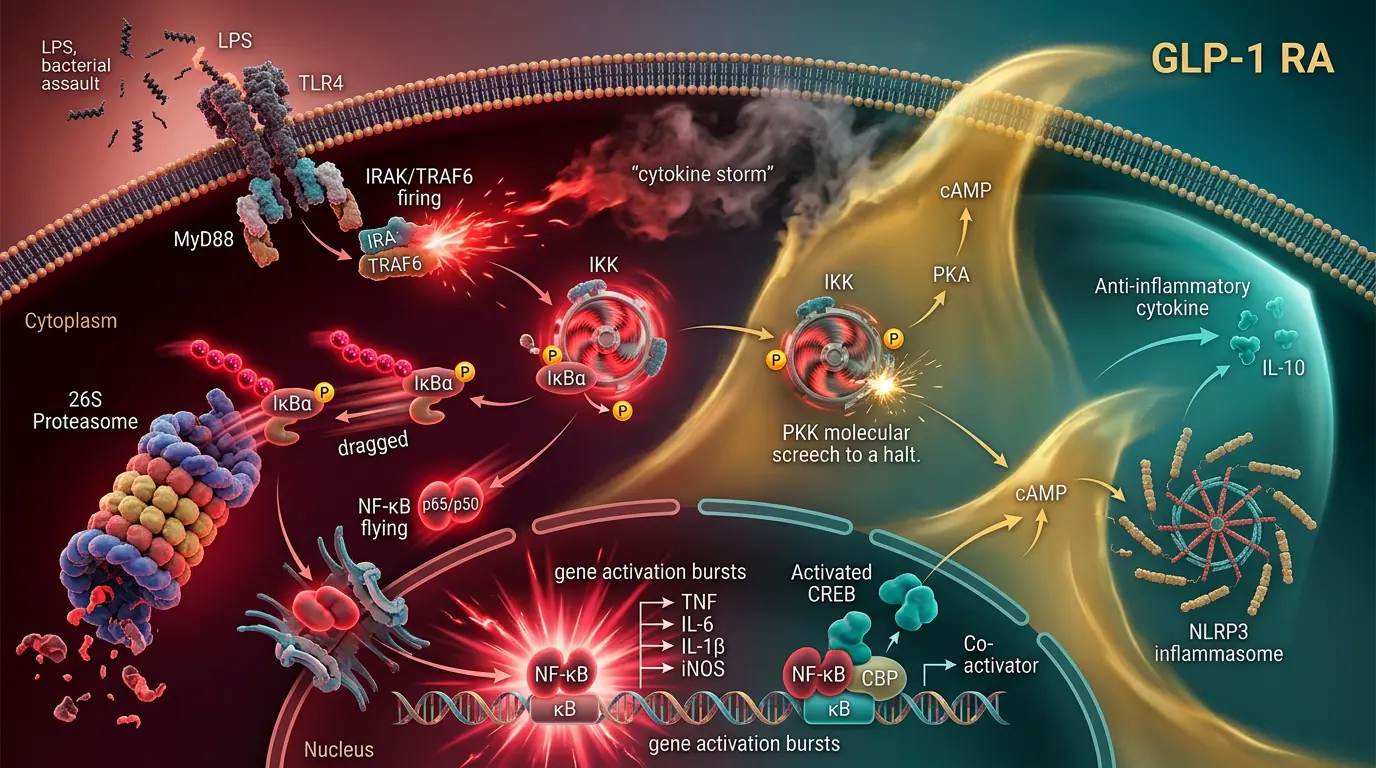
Image description
The illustration presents Comparative receptor engagement across leading agents.
Clinical interpretation
Highlights differences in receptor selectivity, half-life engineering, and formulation — underpinning clinical head-to-head trials (SUSTAIN-7 sema vs dula, SURPASS vs sema).
Pharmacokinetics
Pharmacokinetic journey — absorption to elimination
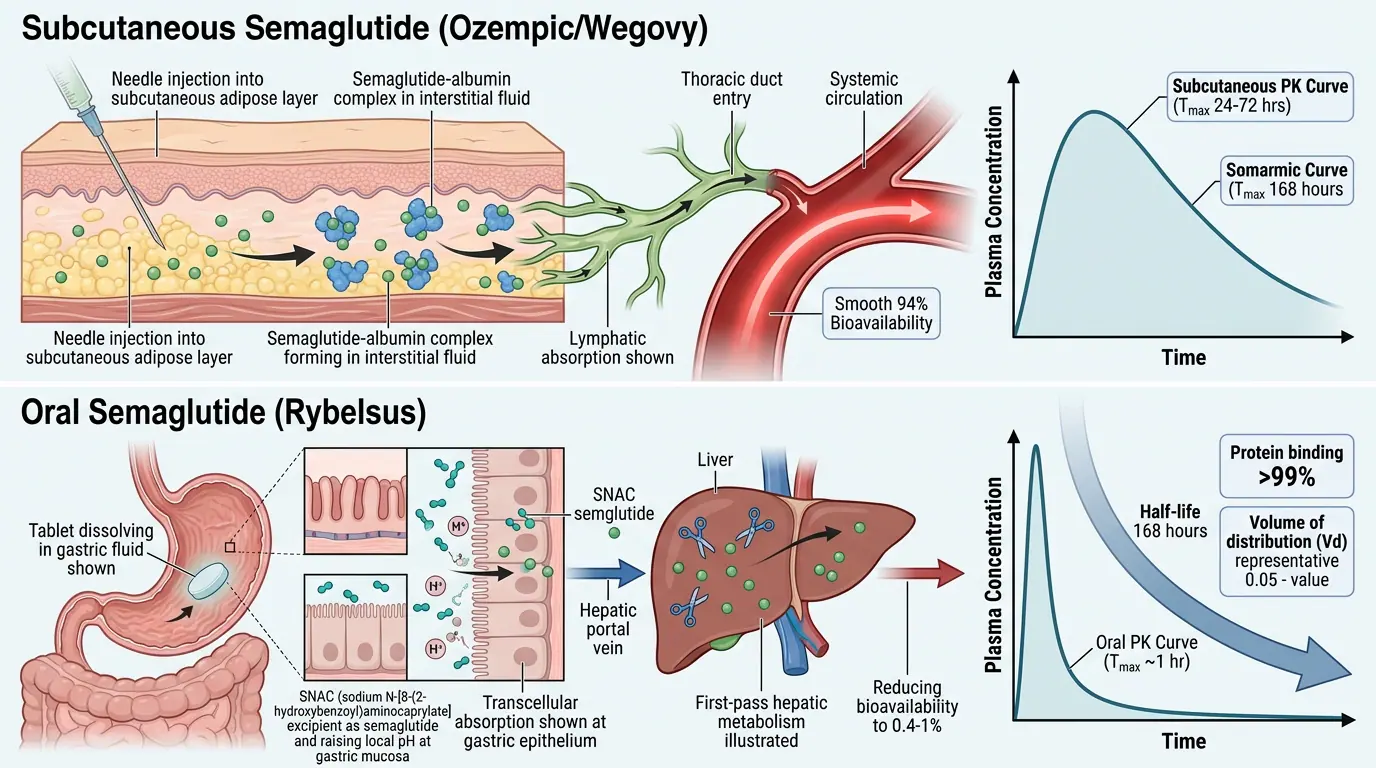
Image description
The illustration presents How formulation design shapes half-life and dosing frequency.
Clinical interpretation
Subcutaneous absorption, albumin binding, reduced renal filtration, and DPP-4 resistance collectively extend t½ from minutes (native GLP-1) to days (semaglutide). Oral semaglutide uses SNAC as absorption enhancer with fasting dosing requirements.
Clinical pharmacology principles
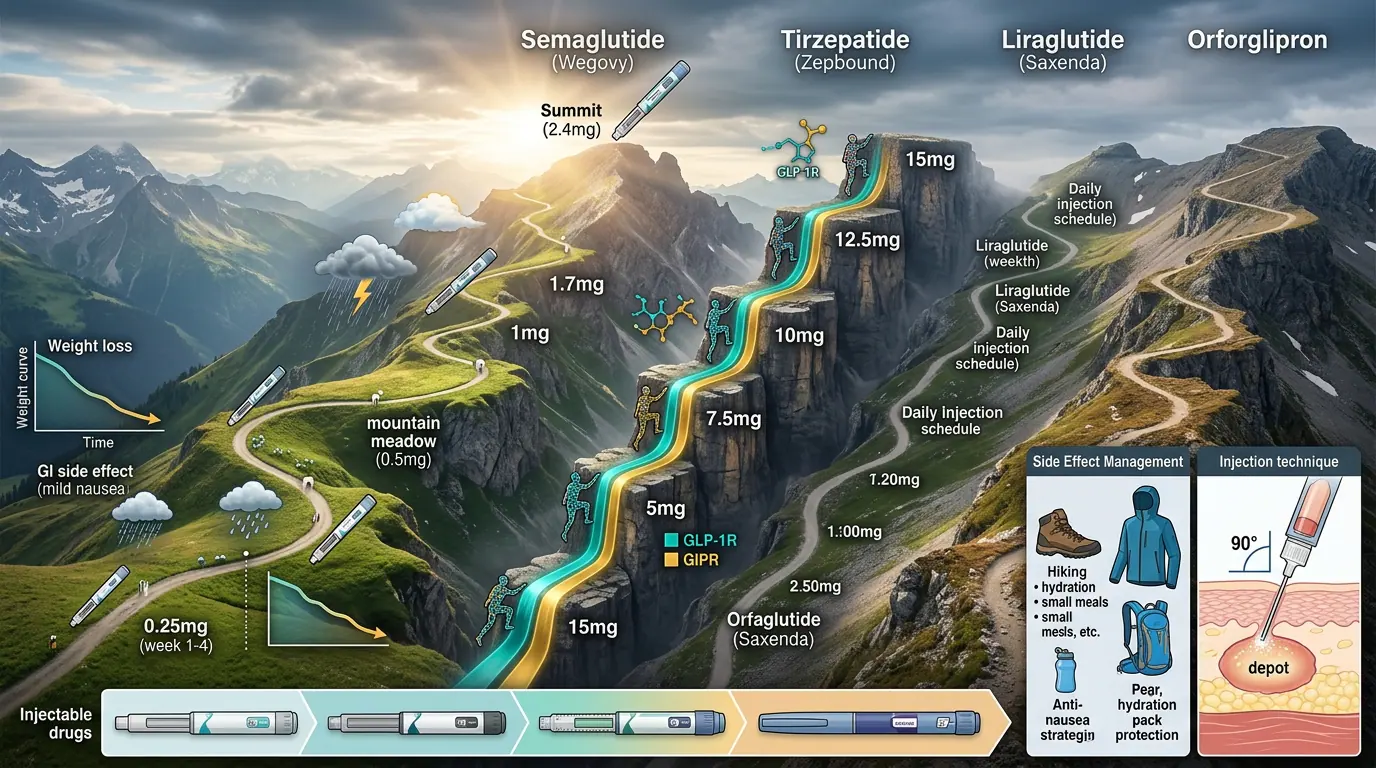
Image description
The illustration presents Linking PK/PD to titration schedules and therapeutic windows.
Clinical interpretation
Slow titration mitigates GI adverse effects while allowing tolerance to develop. Steady-state is reached over 4–6 weeks for weekly agents; dose adjustments in renal impairment are generally unnecessary until late CKD for most agents.
Formulation & delivery
Semaglutide albumin binding (C18 fatty diacid)
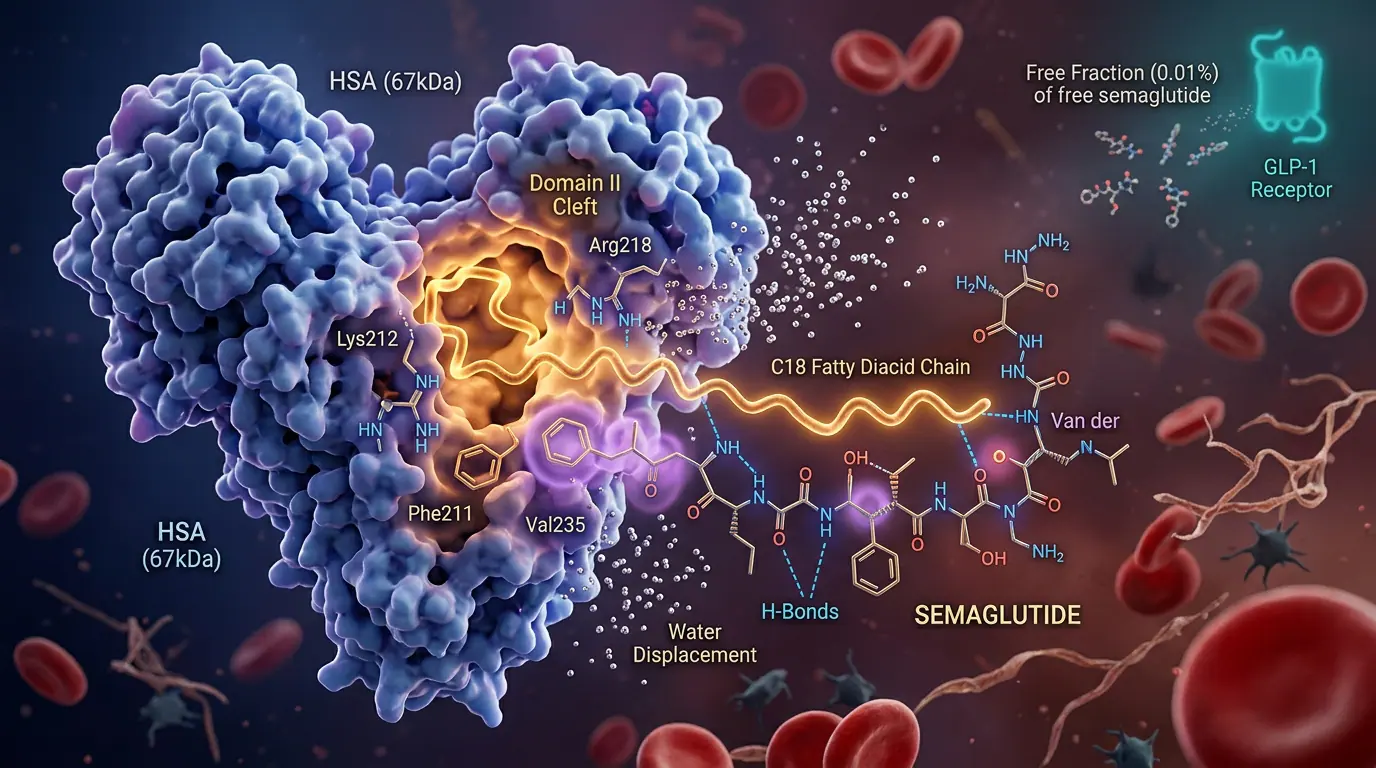
Image description
The illustration presents Albumin association prolongs circulation and enables weekly dosing.
Clinical interpretation
Semaglutide attaches reversibly to albumin via a spacer-linked fatty acid, reducing clearance. This design achieves ~165 h half-life subcutaneously, supporting once-weekly Ozempic/Wegovy dosing.
Oral semaglutide — SNAC absorption enhancer
![Oral semaglutide — SNAC absorption enhancer. Illustration showing Sodium N-(8-[2-hydroxybenzoyl] amino) caprylate facilitates gastric transcellular absorption.](/images/drug-classes/img_oral_sema_snac.webp)
Image description
The illustration presents Sodium N-(8-[2-hydroxybenzoyl] amino) caprylate facilitates gastric transcellular absorption.
Clinical interpretation
Rybelsus must be taken fasting with ≤120 mL water and 30 min before food — SNAC acts locally to buffer and enhance transcellular peptide transport. Bioavailability is ~1% but sufficient for glycaemic efficacy (PIONEER programme).
SNAC-mediated absorption pathway
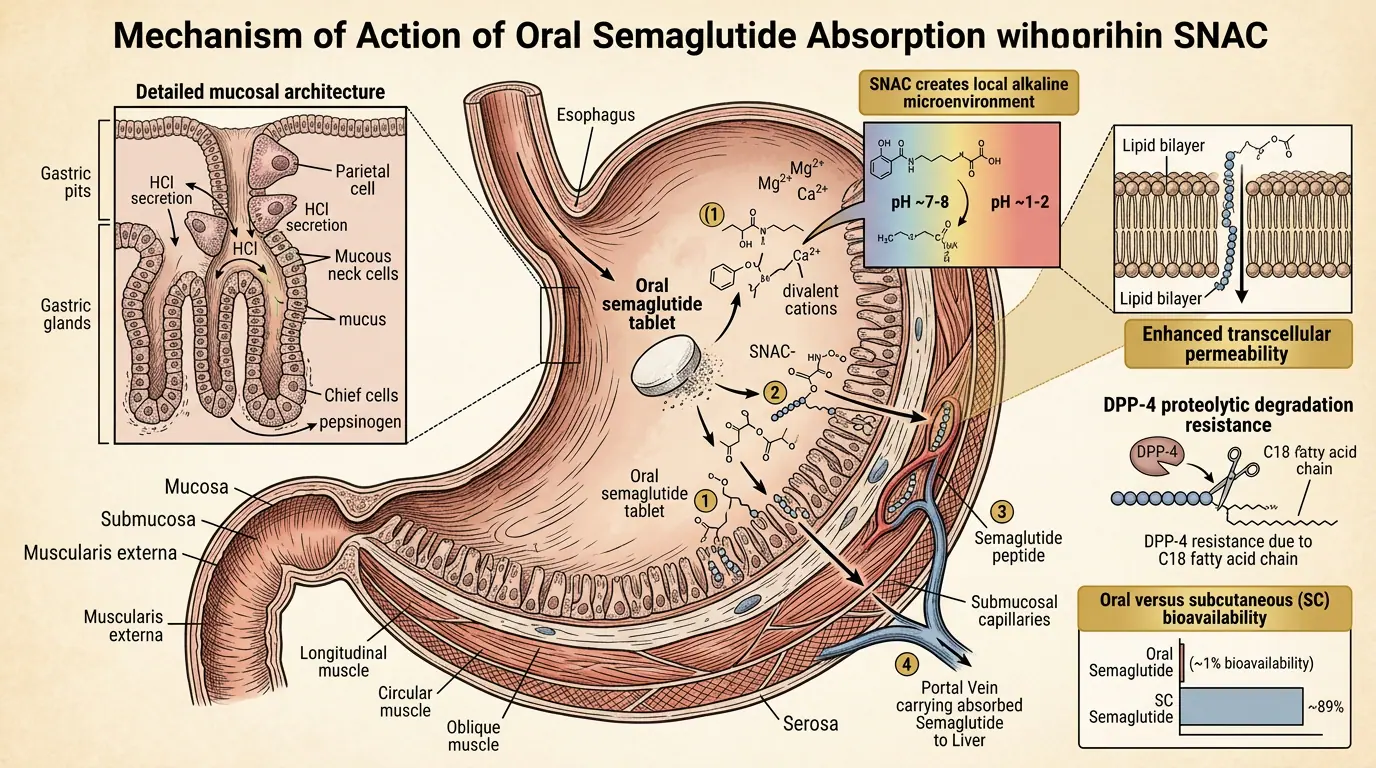
Image description
The illustration presents Local gastric environment enables oral peptide bioavailability.
Clinical interpretation
Unlike subcutaneous depot formulations, oral delivery depends on gastric residence time and pH — proton pump inhibitors may theoretically reduce absorption.
Pipeline & future
GLP-1 development timeline
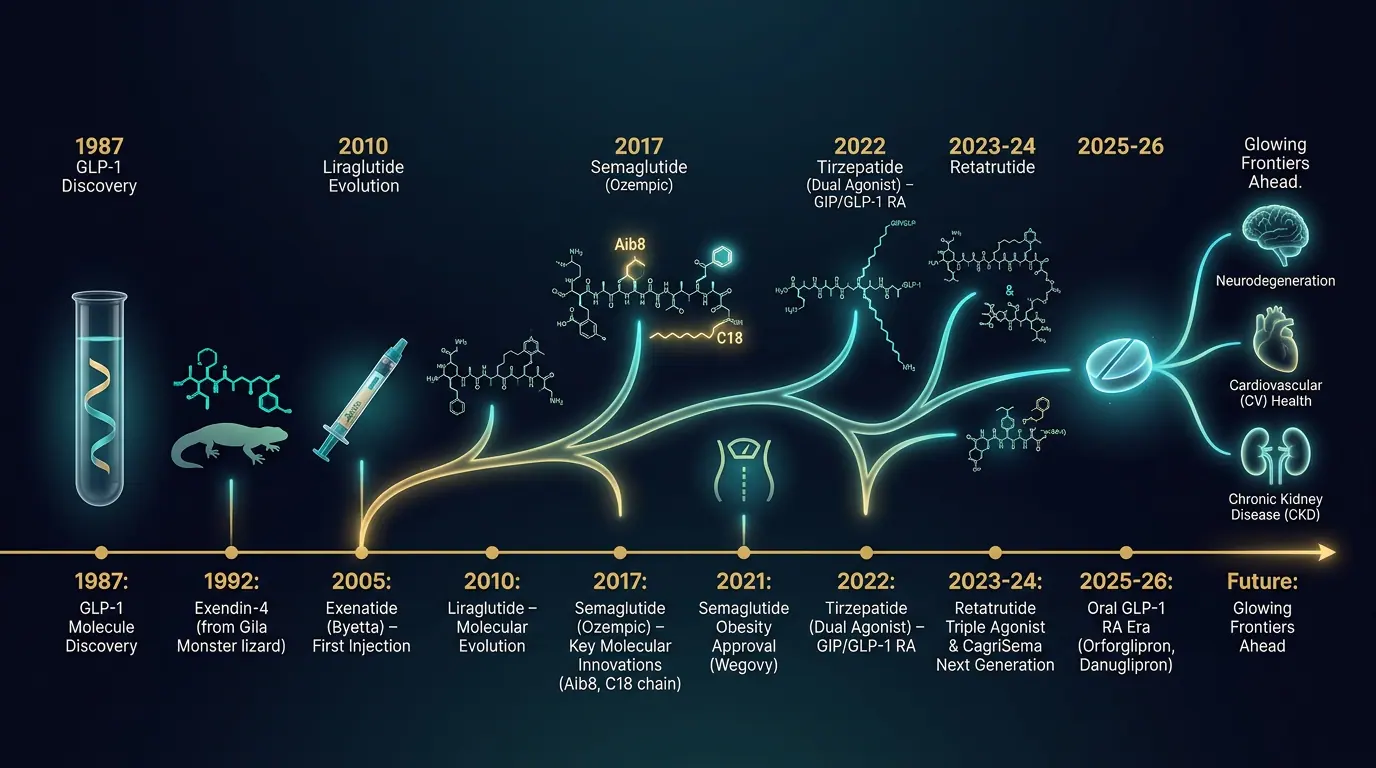
Image description
The illustration presents Evolution from exenatide (2005) to multi-agonists and oral peptides (2020s).
Clinical interpretation
Timeline contextualises rapid innovation: CVOTs shifted prescribing from glucose-centric to cardiometabolic risk; obesity indications expanded addressable population; renal outcomes trials (FLOW) opened new indication space.
Incretin therapeutic evolution
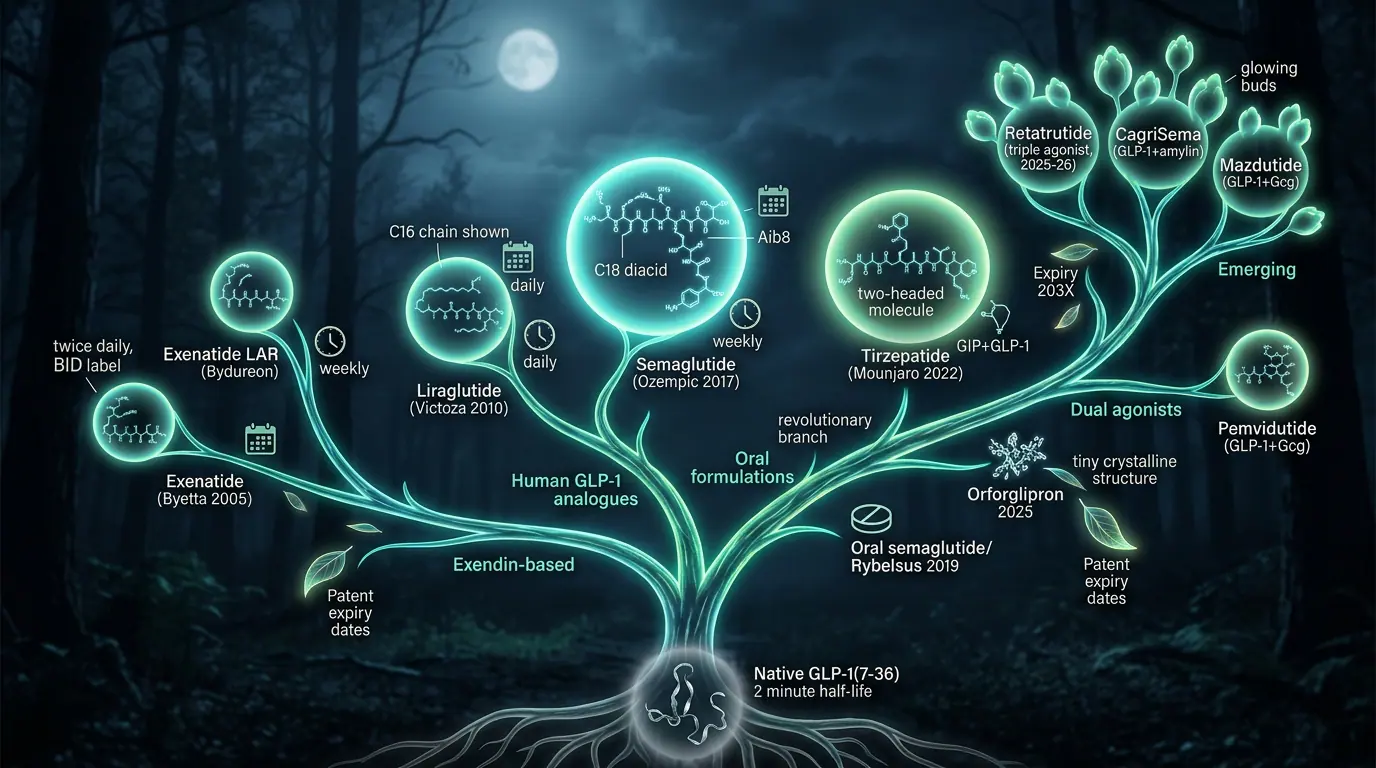
Image description
The illustration presents Phylogeny-inspired view of drug class relationships.
Clinical interpretation
Maps relationships between exendin-based, acylated GLP-1, dual agonists, triple agonists, and oral modalities — useful teaching tool for trainees.
Future metabolic therapeutics

Image description
The illustration presents Combination strategies with SGLT2i, amylin analogues, and myostatin inhibitors.
Clinical interpretation
Future landscape includes fixed-ratio combinations, muscle-preserving strategies alongside weight loss, and precision selection using genetics and phenotyping.
Biochemical hybrid agonist concepts
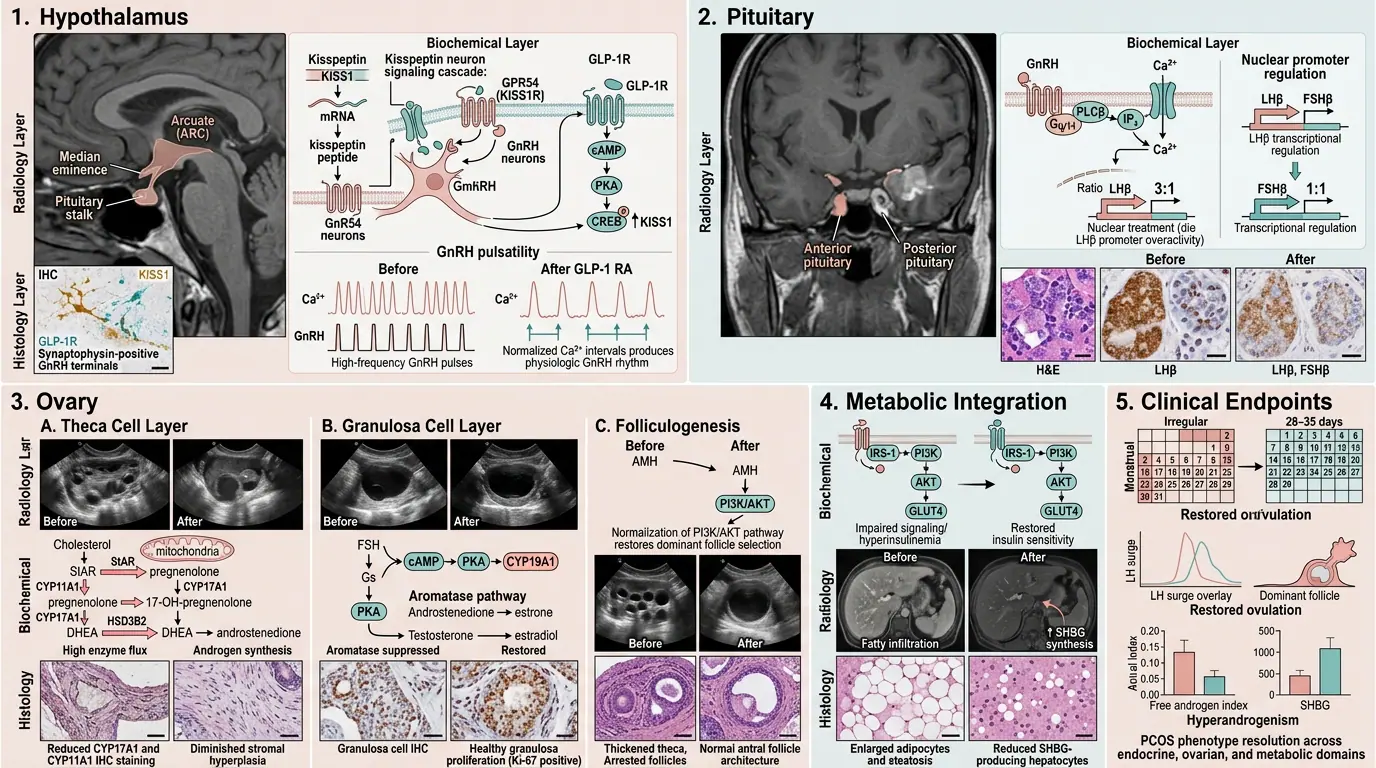
Image description
The illustration presents Engineered peptides combining incretin with other hormonal motifs.
Clinical interpretation
Represents research direction toward single molecules addressing multiple metabolic defects (insulin resistance, hyperglucagonaemia, obesity) simultaneously.
Clinical FAQs
Frequently asked questions
What are the main GLP-1 receptor agonists available?
Established GLP-1 receptor agonists include semaglutide (weekly injection and oral), liraglutide (daily) and dulaglutide (weekly). Tirzepatide is a dual GIP/GLP-1 agonist. Oral and next-generation agents are in development.
Which GLP-1 medication is most effective for weight loss?
In head-to-head and placebo-controlled trials, tirzepatide and high-dose semaglutide produce the largest average weight reductions. Individual choice depends on comorbidities, tolerability, route and access.