Editorial standard for every chapter

Each chapter is organised around the clinician’s workflow: what problem the chapter solves, what to do in practice, what evidence supports it, when not to prescribe, how to monitor, and what regulatory or commissioning constraint changes the decision. This deliberately avoids generic review-article prose and moves toward bedside decision support.

Current Evidence Spine
Verified regulator, trial and guideline updates to 29 June 2026
FDA · EMA · MHRA · NICE · PubMed
Regulatory alerts now drive the safety chapters.

MHRA strengthened pancreatitis warnings in January 2026, MHRA/EMA aligned aspiration risk wording in 2025, and FDA requested removal of suicidality warning language for affected obesity labels after its 2026 review found no increased risk signal.

Pivotal outcomes trials shape prescribing thresholds.

SELECT, FLOW, SOUL, STEP-HFpEF, SURMOUNT-OSA, SYNERGY-NASH and long-term SURMOUNT data are mapped to the chapters where they change clinical reasoning rather than being left as isolated citations.

NICE access logic is separated from biological evidence.

The May 2026 NICE GLP-1/tirzepatide adult summary is treated as a commissioning and implementation layer, not a substitute for SmPC checks, local formulary restrictions or specialist judgement.

Expansion Matrix
What each chapter must now cover
A living evidence map for full monograph build-out. Each row is searchable and linked to the chapter domain.
Chapter
Current clinical expansion
Evidence / alerts to integrate
Guideline and compliance hook
Intro A · History & DiscoveryFoundations
Track the class from incretin biology to outcomes medicine and modern obesity/cardiometabolic indications.
Regulatory milestones, exendin-4 translation, semaglutide/tirzepatide indication expansion.
Use source-date labels; distinguish licensed indications from emerging pipeline claims.
Intro B · Biological BasicsFoundations
Expand receptor distribution, glucose-dependent insulin secretion, appetite signalling and gastric emptying.
Mechanism explains hypoglycaemia protection alone, GI adverse effects, aspiration risk and drug interaction logic.
Always pair mechanism with SmPC safety warnings and patient counselling.
01 · Molecular & Cell BiologyDeep science
Detail GLP-1R signalling, biased agonism, GIP co-agonism, receptor recycling and tissue-level translation.
Map semaglutide, tirzepatide, retatrutide, CagriSema and oral small-molecule candidates by mechanism maturity.
Mark pipeline biology as investigational until regulatory approval.
02 · Clinical Pharmacology & PK/PDPrescribing
Add dose tables, missed-dose logic, oral semaglutide administration, renal/hepatic cautions and washout implications.
Long half-life explains prolonged intolerance and perioperative planning; oral absorption is administration-sensitive.
Check current SmPC and local formulary before dose escalation or switching.
03 · Drug Class ComparisonDecision aid
Compare agents by HbA1c, weight, CV/renal outcomes, route, frequency, access and tolerability.
SELECT, FLOW, SOUL, SURMOUNT and SURPASS data should drive the comparison matrix.
NICE May 2026 summary separates T2DM, obesity and CV-risk recommendations.
04 · Adverse Effects & SafetySafety
Expand GI intolerance, dehydration AKI, gallbladder disease, pancreatitis, aspiration, ileus, retinopathy and thyroid warnings.
MHRA 2026 pancreatitis warning; MHRA 2025 aspiration update; FDA unapproved GLP-1 warning.
Document counselling, sick-day plan and Yellow Card/MedWatch reporting.
05 · Interactions & PharmacogenomicsAdvanced
Separate real interactions from theoretical ones: insulin/SU hypoglycaemia, delayed gastric emptying, oral medicines.
High-risk drugs include narrow therapeutic index or time-critical absorption medicines.
Pharmacogenomics remains non-routine; use CGM/phenotype tracking first.
06 · Cardiovascular BiologyMechanism
Explain BP, inflammation, endothelial effects, plaque biology and weight-mediated pathways.
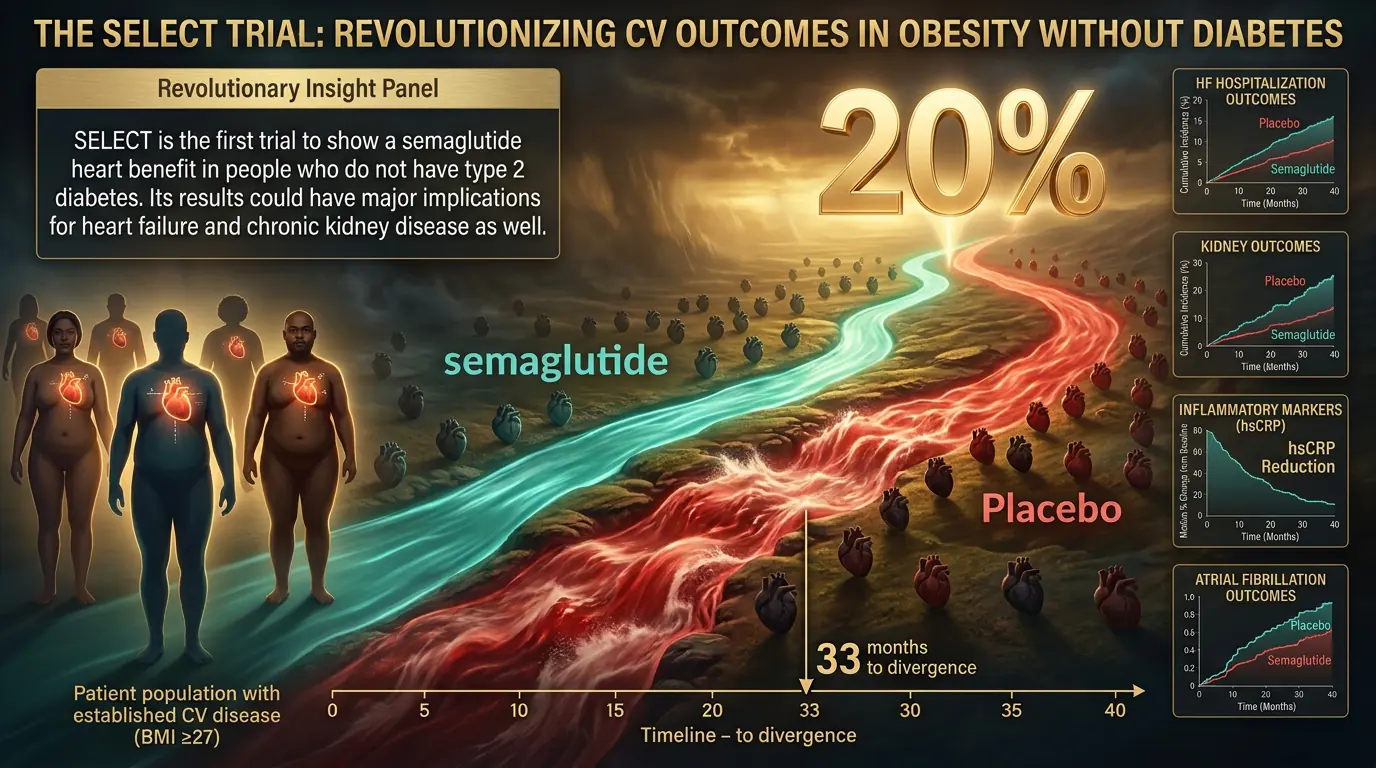
SELECT supports CV event reduction in obesity with established CVD and no diabetes.
Do not imply all agents share identical ASCVD indications.
07 · CV Outcomes & Heart FailureOutcomes
Separate ASCVD outcomes from HFpEF symptom/function outcomes and HFrEF uncertainty.
SELECT, SOUL and STEP-HFpEF / STEP-HFpEF DM are priority trial anchors.
Use specialist review in severe/recently unstable HF; align with cardiology guidance.
08 · Renal Disease & CKDHigh impact
Expand albuminuria, eGFR, dehydration AKI prevention, sick-day rules and dialysis uncertainty.
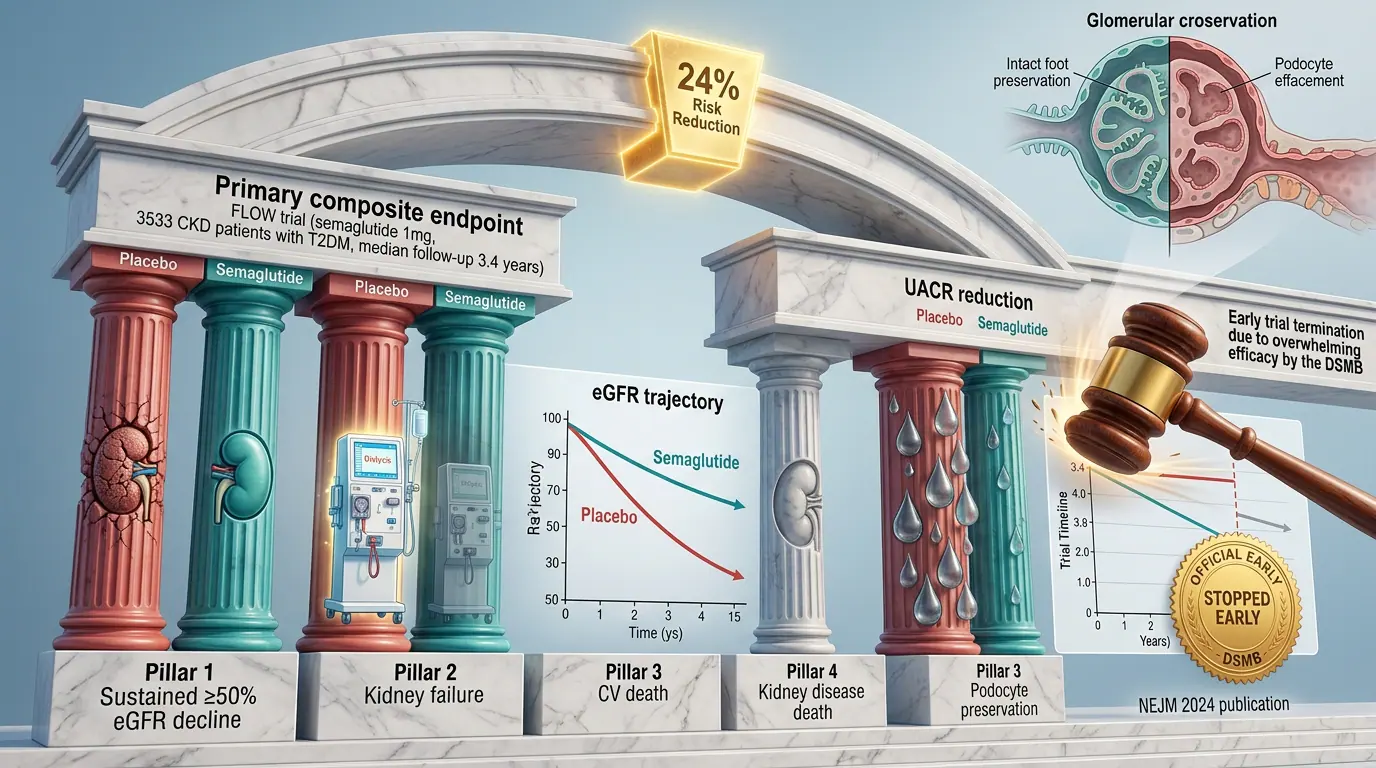
FLOW moves semaglutide from metabolic-only framing to kidney outcomes in T2DM+CKD.
Coordinate with SGLT2i/RAAS guidance and local renal prescribing policy.
09 · Hepatic Disease & MASLDEvolving
Separate MASLD risk improvement, MASH histology, fibrosis endpoints and cirrhosis safety.
SYNERGY-NASH supports tirzepatide MASH/fibrosis evidence but is not blanket cirrhosis guidance.
Use hepatology input for advanced fibrosis/decompensation.
10 · Obesity Biology & AdiposeCore obesity
Explain chronic relapsing physiology, set-point defence, withdrawal effects and adipose inflammation.
SURMOUNT-1 and long-term data support durability and diabetes-prevention discussion.
Use weight-stigma aware language and chronic disease documentation.
11 · Appetite & Food RewardNeurobiology
Expand satiety, nausea, food noise, reward circuitry and eating-disorder screening.
FDA 2026 review found no increased SI/B risk but mental health review remains clinically sensible.
Do not prescribe for active restrictive eating disorder without specialist involvement.
12 · Muscle & Bone HealthPrevention
Build protein, resistance exercise, frailty, falls, sarcopenia and bone-density monitoring pathways.
Rapid weight loss and older age create functional risk even when metabolic markers improve.
Make functional outcomes explicit continuation criteria in older adults.
13 · Gut Physiology & MicrobiomeMechanistic
Expand gastric emptying, reflux, constipation, gastroparesis, bowel obstruction and microbiome uncertainty.
MHRA/EMA aspiration warnings and gastroparesis product-information updates are central.
Ask about severe GI symptoms at baseline and before procedures.
14 · T2DM Glucose PhysiologyCore diabetes
Map fasting/post-prandial phenotype, beta-cell reserve, insulin de-escalation and CGM use.
GLP-1 RAs have low intrinsic hypoglycaemia risk, but insulin/SU combinations change this.
HbA1c, weight and hypoglycaemia targets should be individualised.
15 · T2DM Positioning & GuidelinesGuidelines
Expand comorbidity-first therapy, ASCVD/CKD/obesity sequencing and stopping criteria.
NICE May 2026 summary: GLP-1 RA/tirzepatide recommendations vary by T2DM, obesity and CV-risk use.
Local formulary may be narrower than evidence; document rationale.
16 · T1DM, LADA & Other DiabetesSpecialist
Clarify off-label use, DKA risk, insulin reduction hazards, residual beta-cell function and CGM safeguards.
Evidence remains mixed and largely specialist-domain for non-T2DM indications.
State off-label status clearly and require specialist governance.
17 · Prescribing ToolkitWorkflow
Build initiation checklist, consent/counselling script, titration plan, sick-day plan and review template.
FDA unapproved/compounded drug warnings add supply, quality and dosing-safety checks.
Document indication, contraindications, pregnancy risk, retinal status and ADR reporting.
18 · Reproductive Health / PCOSCounselling
Expand contraception, fertility return, pregnancy planning, lactation uncertainty and PCOS metabolic use.
Weight loss may restore ovulation; pregnancy exposure should trigger specialist review.
Follow current SmPC washout advice and local reproductive-medicine guidance.
19 · Paediatrics & AdolescentsSpecialist
Expand family-based care, growth/puberty monitoring, safeguarding, mental health and nutrition.
Adolescent data are indication- and product-specific; avoid adult extrapolation.
Use specialist paediatric endocrinology/obesity services and current licensing.
20 · Geriatrics & FrailtyRisk stratify
Expand frailty, sarcopenia, polypharmacy, dehydration, orthostasis, cognition and falls.
Benefit must be balanced against function loss and undernutrition.
NICE stopping criterion includes becoming underweight; local frailty guidance applies.
21 · Perioperative MedicineSafety alert
Detail pre-assessment questions, aspiration-risk stratification, emergency surgery and restart after intake resumes.
MHRA 2025: residual gastric contents can persist despite fasting; individualised anaesthetic assessment advised.
Tell patients not to stop treatment without clinical discussion; anaesthetist must be informed.
22 · Respiratory, OSA & InflammationEmerging
Expand OSA monitoring, CPAP reassessment, asthma/inflammation boundaries and sleep metrics.
SURMOUNT-OSA shows tirzepatide improved AHI and related endpoints in obesity with OSA.
Do not stop CPAP or respiratory medicines solely because weight changes.
23 · Neurology, Psychiatry & AddictionFrontier
Expand mental-health baseline, food relationship, addiction signals and neurodegeneration hypotheses.
FDA 2026 and EMA review conclusions reduce suicidality-signal concern but do not remove clinical monitoring.
Use crisis pathways for disclosed suicidal ideation; report suspected ADRs.
24 · Pancreatitis & Exocrine PancreasHard stop
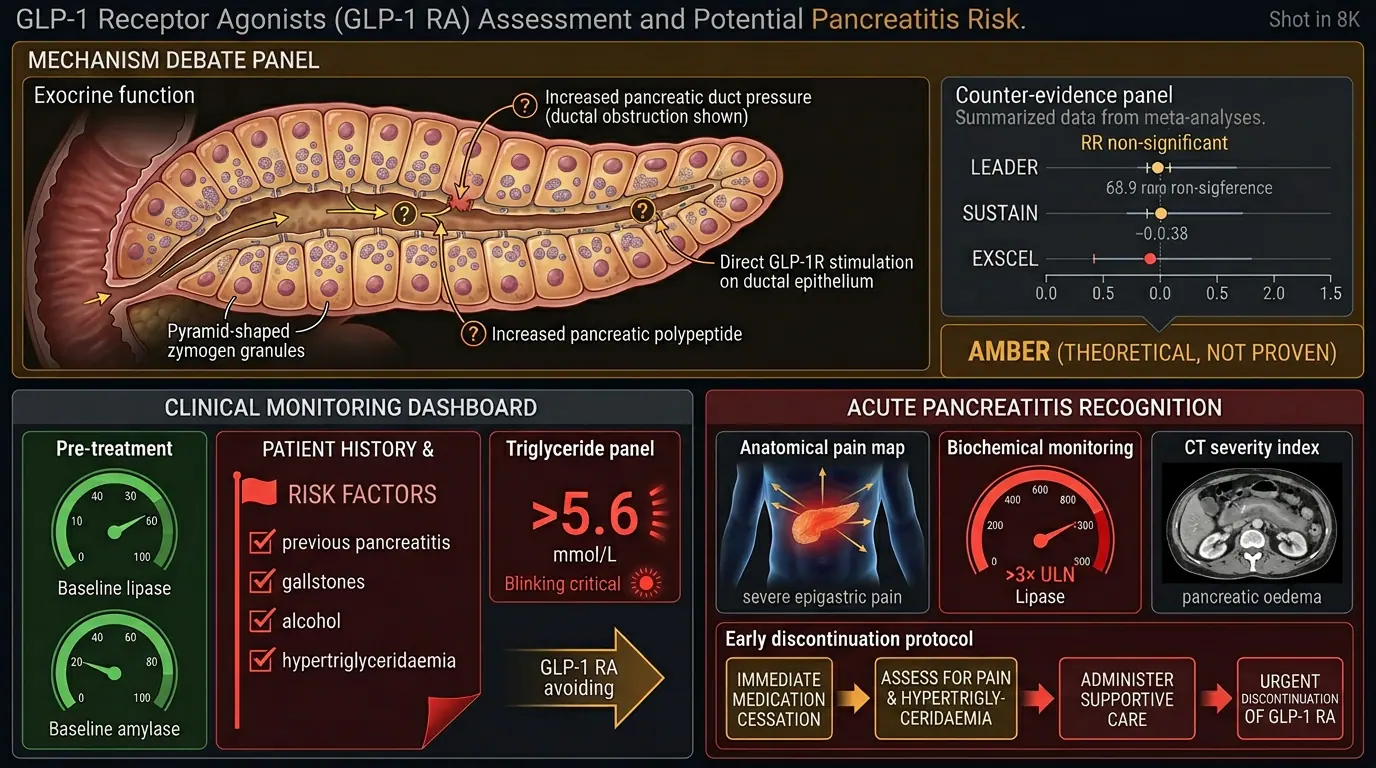
Expand acute pancreatitis recognition, restart rules, gallstone risk, history of pancreatitis and severe abdominal pain pathways.
MHRA 2026: rare necrotising/fatal cases; 1,296 UK Yellow Card pancreatitis reports to Oct 2025.
Stop if suspected; do not restart if confirmed; report serious cases.
25 · Oncology & Cancer BiologyCautious
Separate MTC/MEN2 contraindication, active cancer nutrition, cachexia risk and observational cancer associations.
Rodent C-cell tumour warning remains precautionary; human causal MTC signal is unconfirmed.
Oncology input for active malignancy or treatment-related weight loss.
26 · Pipeline AgentsPipeline
Expand retatrutide, CagriSema, amylin combinations, oral small molecules and triple agonists by trial phase.
Separate phase 2 efficacy from outcomes, long-term safety and regulatory approval.
Never prescribe around anticipated approvals; mark access status clearly.
27 · Digital Health & Precision MedicineImplementation
Expand CGM-assisted insulin reduction, PROs, adherence, adverse-effect tracking and prediction-model bias.
Response phenotyping is more actionable than routine pharmacogenomics today.
Audit tools for equity, calibration and data-governance compliance.
28 · Sleep & Circadian MedicineEmerging
Expand nocturnal reflux, meal timing, OSA reassessment and sleep-quality outcomes.
SURMOUNT-OSA provides disease-specific evidence; most sleep effects remain weight-mediated.
Coordinate with sleep medicine before changing PAP therapy.
29 · Evidence-Based Medicine HubMethods
Teach RCT, CVOT, meta-analysis, observational safety signal and absolute-risk interpretation.
Use PubMed/DOI trails for SELECT, FLOW, SOUL, STEP-HFpEF, SURMOUNT and SYNERGY-NASH.
GRADE certainty and exclusion criteria should be visible in every chapter.
30 · Ethnicity, Equity & Global HealthEquity
Expand BMI thresholds, deprivation, access, supply, stigma and global availability.
NICE lower BMI thresholds for specified ethnic groups must appear in obesity/T2DM access logic.
Audit prescribing by ethnicity, sex, deprivation and geography.
31 · Health Economics & NHS AccessCommissioning
Expand TA restrictions, long-term continuation, event-risk enrichment and pathway capacity.
NICE May 2026 summary integrates NG28/NG246/TA logic but local pathways may lag.
Record target outcome and stopping/review criteria at initiation.
32 · Regulatory, Medicolegal & EthicsCompliance
Expand consent, off-label use, private prescribing, compounded products, scarcity and ADR reporting.
FDA unapproved GLP-1 page and MHRA Yellow Card rules are core safety references.
Maintain visible “checked date” and regulator links on every release.

Part I
Foundations
From discovery and basic biology to receptor-level pharmacology.
Intro A
History & Discovery
Core

Clinical question: how did the incretin idea become a therapeutic class with modern obesity, diabetes and cardiovascular indications?

Practice points
  • Distinguish endogenous incretin physiology from pharmacological GLP-1 RA exposure.
  • Use the history to explain why duration, DPP-4 resistance and albumin binding matter clinically.
Evidence map
  • Proglucagon discovery, exendin-4 translation and regulatory milestones.
  • Link discovery era to current FDA/EMA/MHRA safety labelling.
TimelineRegulatory historyPatient explanation
Intro B
Biological Basics
Core

Clinical question: what does GLP-1 normally do, and why does drug-level GLP-1 RA exposure behave differently?

Practice points
  • Separate glucose-dependent insulin secretion from appetite, motility and organ-protective effects.
  • Explain why hypoglycaemia risk is low alone but rises with insulin or sulphonylureas.
Monitoring
  • Baseline GI symptoms, retinal status in T2DM, renal vulnerability and co-medications.
  • Use mechanism to predict adverse effects before they appear.
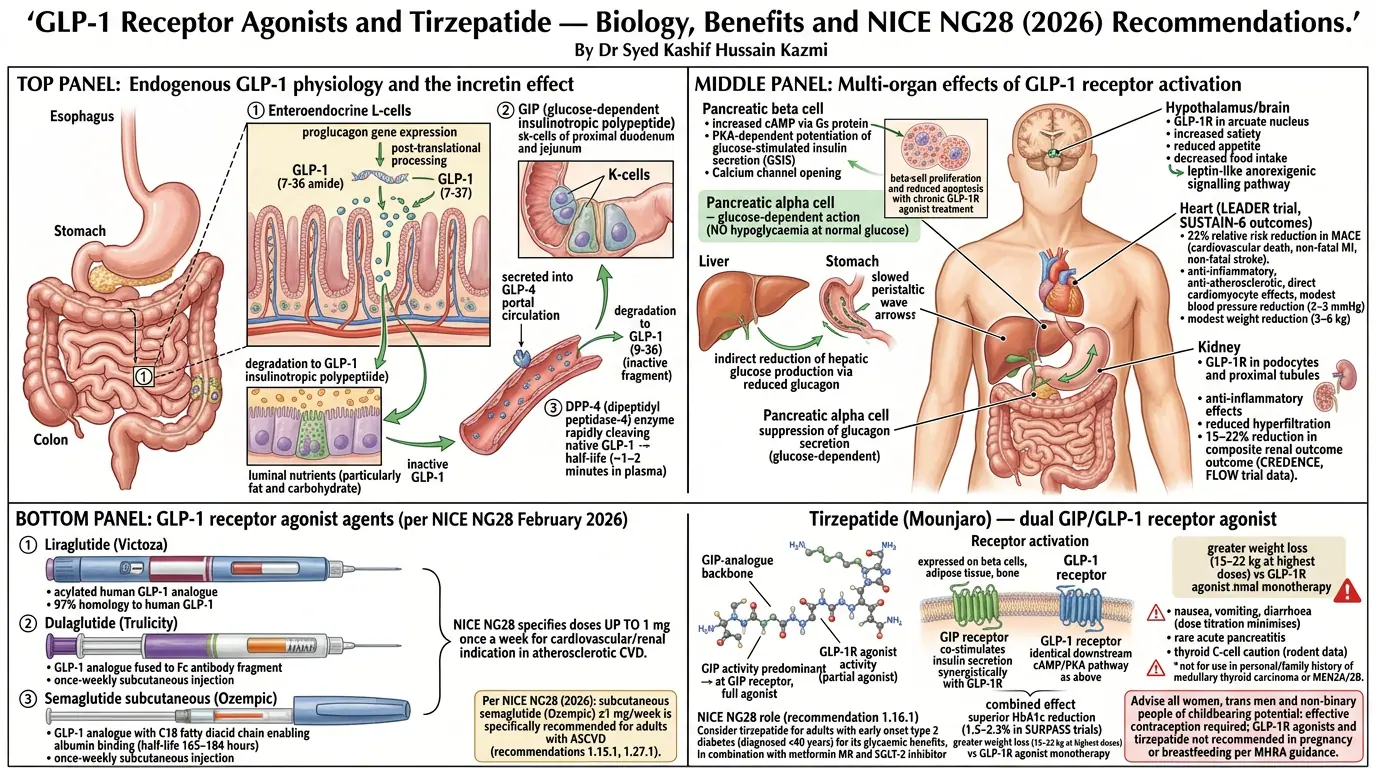
L-cell biologyGLP-1R distributionIncretin defect
Chapter 01
Molecular & Cell Biology
Deep science

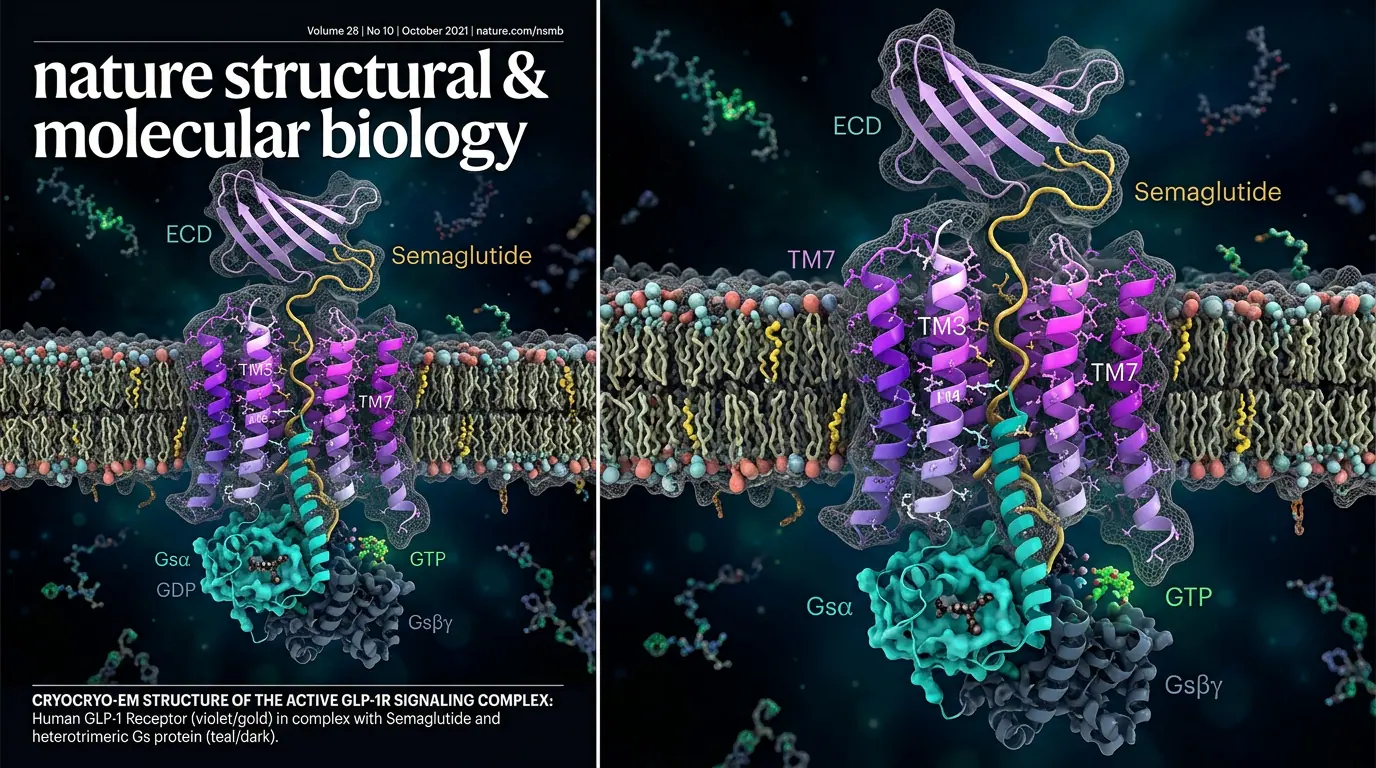
Clinical question: how do receptor binding, cAMP signalling, GIP co-agonism and biased agonism explain differences between semaglutide, tirzepatide and pipeline agents?

Key mechanisms
  • GLP-1R GPCR activation through Gs, PKA and EPAC2.
  • Receptor internalisation, recycling and signalling bias as a durability concept.
Clinical translation
  • Dual agonism explains superior weight and HbA1c effects.
  • Albumin binding explains weekly dosing and prolonged adverse-effect washout.
Cryo-EMβ-arrestinDual agonism
Part II
Pharmacology
Dosing, agent selection, adverse effects, interactions and precision prescribing.
Chapter 02
Clinical Pharmacology & PK/PD
Prescribing

Clinical question: how should half-life, route, absorption and organ function influence agent choice?

Practice points
  • Weekly drugs simplify adherence but prolong intolerance and pre-operative hold decisions.
  • Oral semaglutide requires fasting administration and has absorption fragility.
Monitoring
  • Renal function during dehydration risk, hepatic context, interacting oral drugs.
  • Use slow titration after any significant GI intolerance.
PK tablesDose titrationRenal caution
Chapter 03
Drug Class Comparison
Decision aid

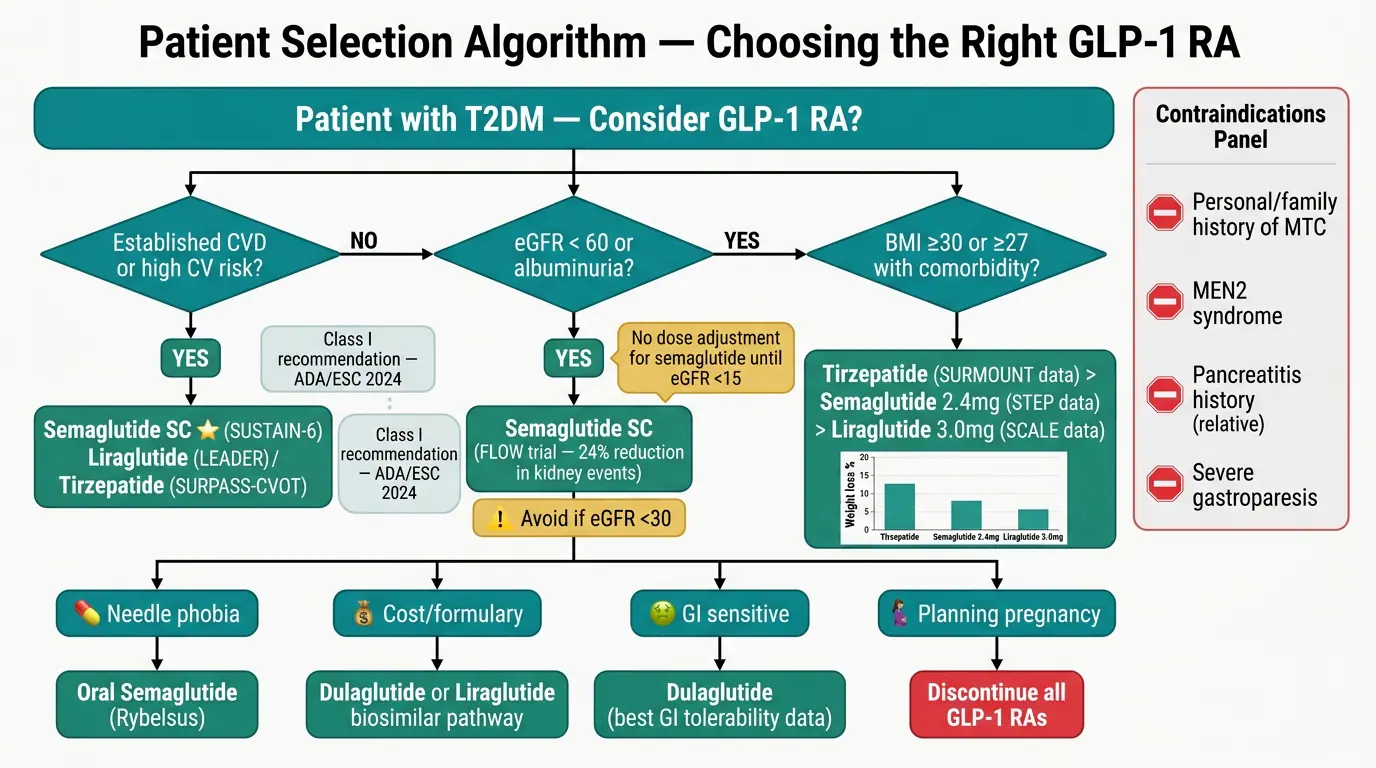
Clinical question: which GLP-1 RA is best for a specific patient goal: HbA1c, weight, CV risk, renal benefit, tolerability or access?

Practice points
  • Semaglutide and tirzepatide dominate weight and glycaemic efficacy.
  • Liraglutide/dulaglutide remain useful where formulary, tolerability or CVOT familiarity matters.
Evidence map
  • Head-to-head trials, CVOTs, obesity programmes and NICE access criteria.
  • Position fixed-ratio insulin combinations separately from pure GLP-1 RAs.
Comparison matrixNICE access
Chapter 04
Adverse Effects & Safety
Safety

Clinical question: how do clinicians prevent common intolerance while recognising rare serious harm early?

Practice points
  • GI adverse effects are predictable, dose-related and usually manageable.
  • Prior pancreatitis, severe gastroparesis and thyroid-risk wording require product- and jurisdiction-specific review.
Escalation
  • Stop and assess for severe abdominal pain, ileus, pancreatitis or dehydration AKI.
  • Report serious or unusual ADRs to MHRA Yellow Card.
MHRAFDAEMA PRAC
Chapter 05
Drug Interactions & Pharmacogenomics
Advanced

Clinical question: which interactions are pharmacologically plausible and which matter at the bedside?

Interactions
  • Delayed gastric emptying affects time-critical oral medicines.
  • Reduce sulphonylurea and insulin to avoid hypoglycaemia after initiation.
Precision topics
  • Pharmacogenomics is not ready for routine selection.
  • CGM and response phenotyping may become practical earlier than genotype-based choice.
InteractionsCGM phenotype
Part III
Cardiometabolic Disease
Heart, kidney and liver decisions from mechanism to outcomes.
Chapter 06
Cardiovascular Biology
Mechanism

Clinical question: why do some GLP-1 RAs reduce atherosclerotic events, and which mechanisms are plausible?

Mechanisms
  • Weight, BP, inflammation, endothelial biology and plaque vulnerability.
  • Separate ASCVD benefit from heart failure physiology.
Practice
  • Prioritise proven CVOT agents in established ASCVD.
  • Do not substitute GLP-1 RA for SGLT2i in HFrEF.
ASCVDPlaque biology
Chapter 07
CV Outcomes & Heart Failure
Outcomes

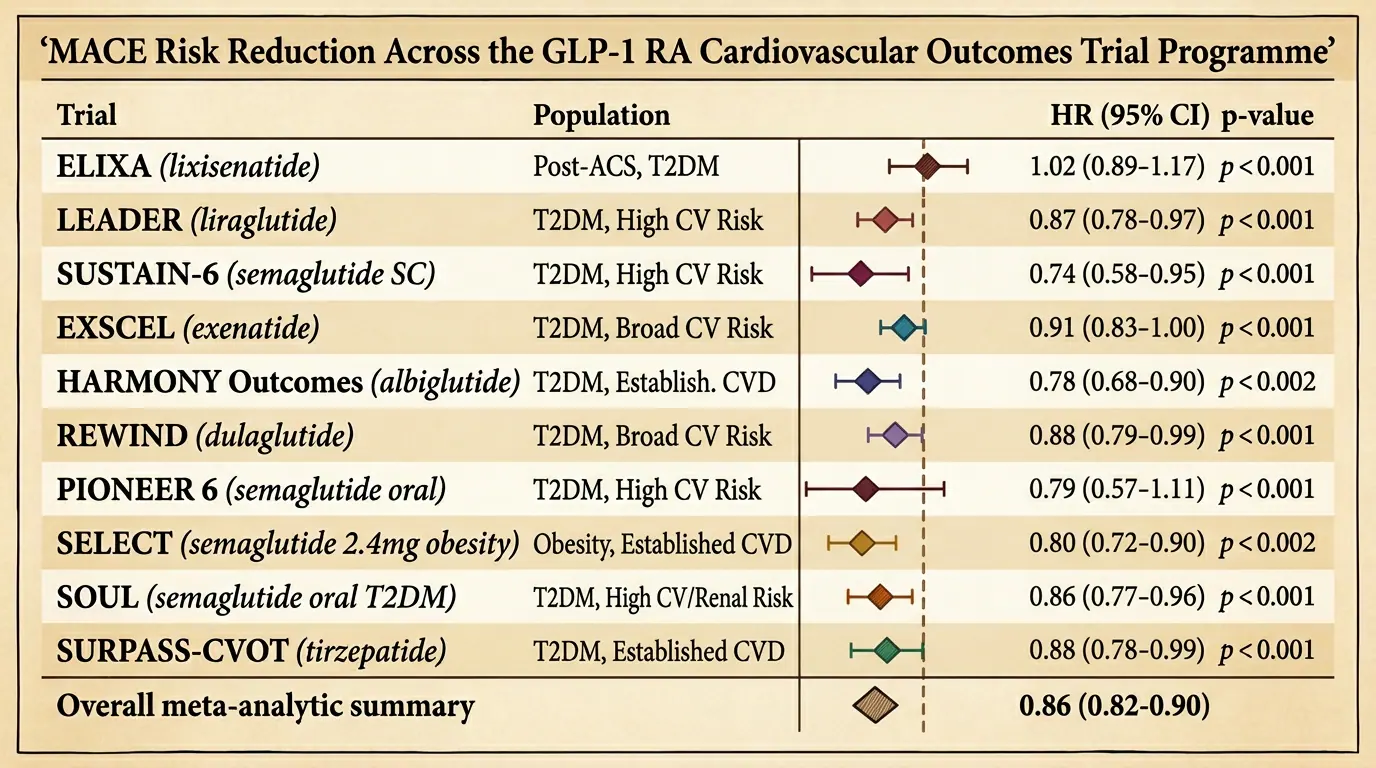
Clinical question: when should CVOT evidence change the prescribing threshold?

Evidence
  • LEADER, SUSTAIN-6, REWIND, SELECT and heart-failure obesity trials.
  • Clarify diabetes versus non-diabetes populations.
Prescribing
  • Use CV benefit to justify earlier therapy in ASCVD or high-risk obesity.
  • In severe/recently decompensated HFrEF, specialist review first.
SELECTHFpEF obesity
Chapter 08
Renal Disease & CKD
High impact

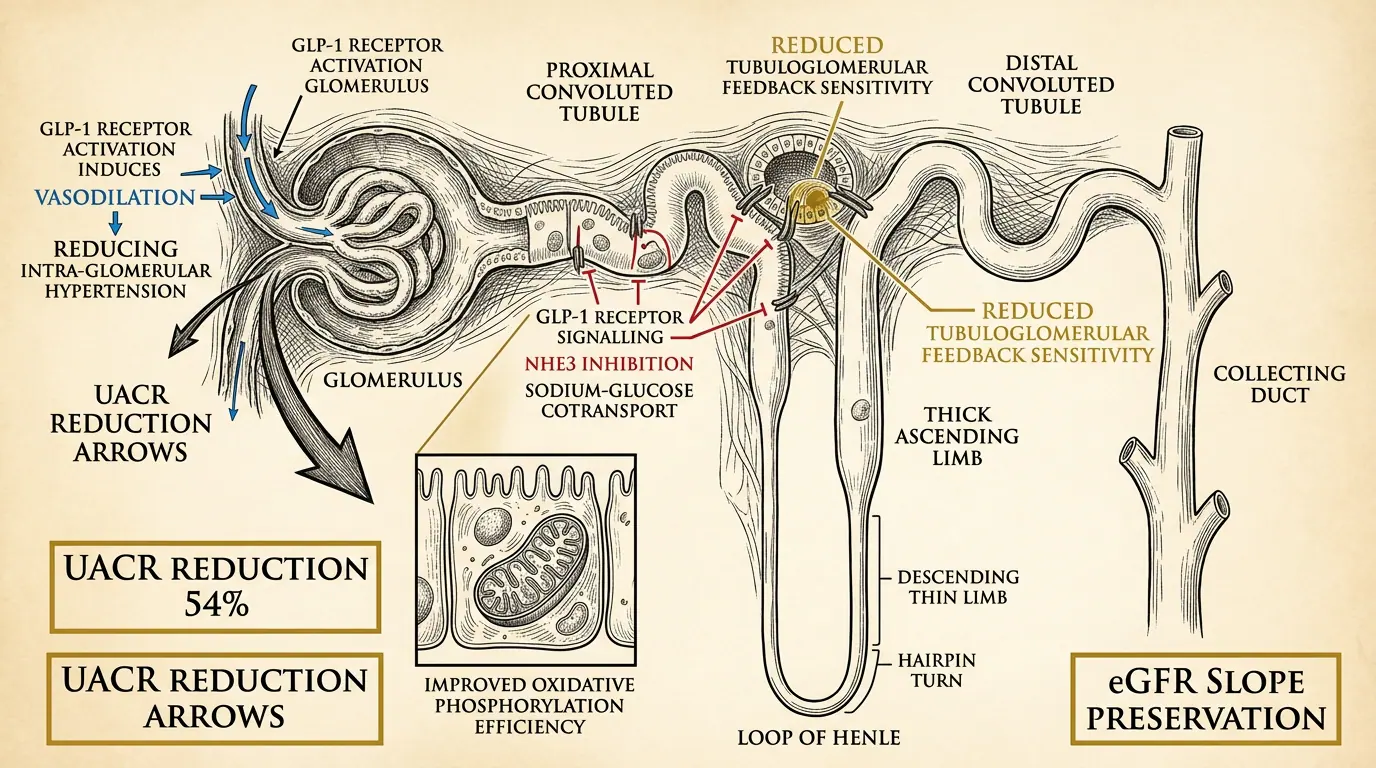
Clinical question: how should kidney disease alter initiation, titration and therapeutic priority?

Evidence
  • FLOW shifts semaglutide from glycaemic/weight therapy toward kidney outcomes.
  • Trial populations do not equal dialysis populations.
Safety
  • Prevent dehydration-related AKI during vomiting/diarrhoea.
  • Specialist decision for eGFR <15 or dialysis.
FLOWKDIGO
Chapter 09
Hepatic Disease & MASLD
Evolving

Clinical question: where do GLP-1/glucagon-based agents fit in MASLD, MASH and cirrhosis?

Practice
  • Weight loss improves MASLD risk, but cirrhosis changes the risk equation.
  • Avoid routine use in decompensated cirrhosis without hepatology oversight.
Evidence
  • MASH histology endpoints are emerging and agent-specific.
  • Fibrosis regression remains the harder endpoint.
MASLDMASH pipeline
Part IV
Obesity & Metabolic Disease
Adipose tissue, appetite circuitry, muscle, bone and gut physiology.
Chapter 10
Obesity Biology & Adipose
Core obesity

Clinical question: why is obesity treated as chronic relapsing biology rather than willpower failure?

Practice
  • Explain defence of body weight set point and weight regain after withdrawal.
  • Document chronic-disease rationale for continuation when benefit is sustained.
Evidence
  • STEP and SURMOUNT withdrawal data underpin long-term treatment framing.
  • Adipose inflammation and ectopic fat change risk independent of BMI.
Set pointWithdrawal trials
Chapter 11
Hypothalamus, Appetite & Food Reward
Neurobiology

Clinical question: how do satiety, nausea, reward and behaviour interact during treatment?

Practice
  • Prepare patients for early appetite change without over-restriction.
  • Screen for eating disorders before prescribing for obesity.
Mechanisms
  • Arcuate nucleus, NTS, area postrema and reward circuitry.
  • Separate therapeutic satiety from pathological food avoidance.
Reward circuitryEating disorder screen
Chapter 12
Muscle Biology & Bone Health
Prevention

Clinical question: how do clinicians protect function, muscle and bone during rapid weight loss?

Practice
  • Co-prescribe protein target and resistance training, not just medication.
  • Assess frailty, falls risk and osteoporosis in older or post-menopausal patients.
Monitoring
  • Track function: chair rises, grip, gait speed and activity.
  • Consider DEXA in high-risk patients or large weight loss.
SarcopeniaBone density
Chapter 13
Gut Physiology & Microbiome
Mechanistic

Clinical question: when is GI physiology therapeutic, and when is it a safety problem?

Practice
  • Use meal size, fat reduction and dose holds to manage intolerance.
  • Screen severe reflux, gastroparesis symptoms and bowel obstruction risk.
Evidence
  • Gastric emptying tachyphylaxis differs by short- versus long-acting agents.
  • Microbiome claims remain hypothesis-generating.
GastroparesisMicrobiome
Part V
Diabetes Management
Glucose physiology, guideline positioning and practical prescribing.
Chapter 14
T2DM: Glucose Physiology
Core diabetes

Clinical question: which glucose phenotype responds best to GLP-1 RA therapy?

Practice
  • Match fasting vs post-prandial hyperglycaemia to agent profile.
  • Reduce hypoglycaemia-driving background drugs at initiation.
Monitoring
  • HbA1c at 3–6 months, weight, GI tolerance and retinal risk.
  • CGM can identify post-prandial benefit and hypoglycaemia after insulin reduction.
HbA1cCGM
Chapter 15
T2DM: Treatment Positioning & Guidelines
Guidelines

Clinical question: when should GLP-1 RA be chosen before, with, or after other agents?

Practice
  • Use comorbidity-first selection: ASCVD, CKD, obesity and hypoglycaemia risk.
  • Compare NICE with ADA/EASD, ESC and KDIGO before applying local formulary.
Governance
  • Document indication, target outcome and stopping/review criteria.
  • Align with local commissioning restrictions.
NICE NG28ADA/EASD
Chapter 16
T1DM, LADA & Other Diabetes
Specialist

Clinical question: when is GLP-1 RA use outside T2DM appropriate, investigational or unsafe?

Practice
  • T1DM use is off-label and requires specialist supervision.
  • DKA risk, insulin reduction and CGM monitoring must be explicit.
Evidence
  • Benefits are mainly weight/insulin dose; glycaemic effects are mixed.
  • LADA decisions depend on residual beta-cell function and insulin need.
Off-labelCGM safety
Chapter 17
Prescribing Toolkit
Workflow

Clinical question: what must be checked, counselled, prescribed and monitored before the first dose?

Checklist
  • Indication, contraindications, retinal status, pregnancy risk, baseline renal function.
  • Written GI plan, sick-day rules and perioperative advice.
Follow-up
  • Early tolerance check at 2–4 weeks; outcomes at 3–6 months.
  • Document response and continuation rationale.
Initiation checklistSick-day rules
Part VI
Special Populations & Clinical Scenarios
Population-specific benefit-risk decisions and MDT thresholds.
Chapter 18
Reproductive Health, PCOS & Male Health
Counselling

Clinical question: how do GLP-1 RAs alter fertility, pregnancy risk and reproductive planning?

Practice
  • Contraception counselling is mandatory for women of reproductive potential.
  • Stop before planned conception according to current SmPC guidance.
PCOS
  • Weight loss may restore ovulation unexpectedly.
  • Use as metabolic optimisation, not a fertility treatment alone.
PCOSPregnancy
Chapter 19
Paediatrics & Adolescent Medicine
Specialist

Clinical question: when is adolescent prescribing clinically justified and service-ready?

Practice
  • Use specialist obesity/diabetes services with family-based support.
  • Screen growth, puberty, mental health and eating disorder risk.
Monitoring
  • Track growth trajectory, nutrition, school function and adherence.
  • Agree clear stopping/review criteria.
AdolescentsSafeguarding
Chapter 20
Geriatrics, Frailty & Sarcopenia
Risk stratify

Clinical question: when does weight loss become harmful in older adults?

Practice
  • Assess frailty, falls, nutrition and polypharmacy before prescribing.
  • Prioritise function and cardiometabolic benefit over scale weight alone.
Monitoring
  • Weight, appetite, protein intake, strength and postural symptoms.
  • Medication review for hypoglycaemia and hypotension risk.
FrailtyFunction-first
Chapter 21
Perioperative & Surgical Medicine
Safety alert

Clinical question: how should GLP-1 RAs be managed before anaesthesia, endoscopy and bariatric surgery?

Practice
  • Inform anaesthetist and procedural team of current GLP-1 RA use.
  • Follow current local/RCoA guidance for hold timing and aspiration risk.
Risk
  • High-risk symptoms: vomiting, early satiety, bloating, reflux, gastroparesis.
  • Emergency surgery requires aspiration precautions.
MHRA alertAspiration
Chapter 22
Respiratory, OSA & Immune-Inflammatory
Emerging

Clinical question: how do weight loss and inflammation pathways affect OSA, asthma and inflammatory disease?

Practice
  • OSA benefit is largely weight-mediated; reassess CPAP needs after major weight loss.
  • Inflammatory claims need condition-specific evidence.
Monitoring
  • Sleepiness, AHI/CPAP data, asthma control and steroid exposure.
  • Do not stop disease-modifying therapy based on weight response alone.
OSAInflammation
Chapter 23
Neurology, Psychiatry & Addiction
Frontier

Clinical question: how should clinicians interpret neuropsychiatric signals and emerging neuroprotective data?

Practice
  • Screen mental health and eating disorder risk before obesity prescribing.
  • Do not infer disease modification from early neurological signals without trial confirmation.
Evidence
  • Reward circuitry and addiction research is promising but not prescribing-ready.
  • Regulatory reviews have not confirmed a causal suicidality signal.
Mental healthParkinson’s signal
Chapter 24
Pancreatitis & Exocrine Pancreas
Hard stop

Clinical question: when does pancreatic risk override metabolic benefit?

Practice
  • Personal history of pancreatitis remains a major contraindication/avoidance scenario.
  • Stop and investigate acute severe abdominal pain with vomiting.
Evidence
  • RCT absolute rates are low but high-risk patients are often excluded.
  • Biliary pancreatitis adds gallbladder and pancreatic risk.
PancreatitisExocrine pancreas
Part VII
Emerging & Future Domains
Where the class is going next — with evidence readiness separated from excitement.
Chapter 25
Oncology & Cancer Biology
Cautious

Clinical question: how should GLP-1 RAs be considered in active cancer, survivorship and cancer-risk debates?

Practice
  • Active malignancy needs oncology input; avoid malnutrition during treatment.
  • Do not overinterpret observational cancer associations.
Monitoring
  • Weight trajectory, cachexia risk, nutrition and treatment tolerance.
  • Respect MTC/MEN2 contraindication.
Oncology MDTNutrition
Chapter 26
Pipeline & Next-Generation Agents
Pipeline

Clinical question: which pipeline agents are practice-changing and which are just pharmacological variations?

Evidence readiness
  • Separate Phase 2 weight signals from hard outcomes and safety.
  • Triple agonists, amylin combinations and oral small molecules need different safety framing.
Practice
  • Do not prescribe around anticipated approvals; document current licensed options.
  • Use pipeline knowledge for counselling and horizon scanning.
RetatrutideCagriSemaOrforglipron
Chapter 27
Digital Health, CGM & Precision Medicine
Implementation

Clinical question: how can response tracking move from crude weight/HbA1c to personalised care?

Practice
  • Use CGM to reduce insulin safely and identify post-prandial response.
  • Track tolerability, nutrition, activity and adherence alongside outcomes.
Future
  • Prediction models should be audited for bias and clinical calibration.
  • Patient-reported outcomes matter for persistence.
CGMPrecision medicine
Chapter 28
Sleep Biology & Circadian Medicine
Emerging

Clinical question: does treatment alter sleep through weight, reflux, glycaemia, circadian biology or all of these?

Practice
  • Reassess OSA after major weight change.
  • Manage nocturnal reflux and late meals during titration.
Evidence
  • Most sleep improvement is weight-mediated, not direct receptor proof.
  • Circadian medicine remains hypothesis-generating.
OSACircadian
Part VIII
Evidence, Equity, Access & Governance
How to interpret evidence and prescribe responsibly in health systems.
Chapter 29
Evidence-Based Medicine Hub
Methods

Clinical question: how should clinicians compare RCTs, CVOTs, obesity trials, real-world data and pharmacovigilance?

Methods
  • Separate superiority, non-inferiority, composite endpoints and adjudicated safety.
  • Know when absolute risk matters more than relative risk.
Practice
  • Use GRADE language when certainty is low.
  • Identify who was excluded before applying trial data.
GRADECVOTs
Chapter 30
Ethnicity, Equity & Global Health
Equity

Clinical question: how do thresholds, access and population risk create inequity in GLP-1 RA prescribing?

Practice
  • Use ethnicity-adjusted BMI thresholds where recommended.
  • Document access barriers, supply constraints and shared decisions transparently.
Governance
  • Audit prescribing by ethnicity, deprivation, sex and geography.
  • Avoid weight stigma in language and service design.
Equity auditBMI thresholds
Chapter 31
Health Economics & NHS Access
Commissioning

Clinical question: when is treatment clinically valuable, affordable and commissionable?

Practice
  • Link prescribing to measurable outcomes: HbA1c, weight, CV risk, renal trajectory, function.
  • Understand NICE TA restrictions and local formulary pathways.
Evidence
  • Duration limits may conflict with chronic-disease evidence.
  • Cost-effectiveness changes with event-risk enrichment.
NHS accessCost-effectiveness
Chapter 32
Regulatory, Medicolegal & Ethics
Compliance

Clinical question: what documentation and safety responsibilities protect patients and prescribers?

Practice
  • Record indication, contraindication screen, counselling, consent and monitoring plan.
  • Use regulatory alerts page before high-risk prescribing decisions.
Ethics
  • Handle scarcity, private prescribing, body-image harm and off-label use explicitly.
  • Report serious suspected ADRs via Yellow Card/MedWatch/EudraVigilance.
FDAEMAMHRA