GLP-1 Receptor Agonists —
Side Effects & Management
The complete safety reference for GLP-1 receptor agonists — covering every adverse effect reported in clinical trials, post-marketing surveillance, and emerging pharmacovigilance data through May 2026. Each entry includes incidence data, mechanistic explanation, graded management protocols, agent-specific differences, and stopping criteria. Structured for practical clinical use at the point of prescribing and patient review.
The GLP-1 RA Safety Landscape
Class profile · Incidence hierarchy · Red flags
GLP-1 receptor agonists have one of the most extensively characterised safety profiles in modern pharmacology — with over 150,000 patient-years of randomised clinical trial exposure across the SUSTAIN, SURPASS, STEP, SURMOUNT, LEADER, SELECT, FLOW, and PIONEER programmes, supplemented by years of post-marketing surveillance data in millions of real-world patients. The class is broadly well-tolerated, with a safety profile dominated by gastrointestinal effects — most of which are predictable, dose-dependent, and self-limiting. Serious adverse events are rare but include pancreatitis, thyroid malignancy (animal data), retinopathy worsening in T2DM, and aspiration under anaesthesia.
Side Effect Profile Differences by Agent
Not all GLP-1 RAs have the same safety profile — clinically important differences
| Side effect | Sema SC (1–2 mg) | Sema 2.4 mg | Tirzepatide 15 mg | Dulaglutide | Liraglutide | Exenatide XR |
|---|---|---|---|---|---|---|
| Nausea | ||||||
| Vomiting | ~8% | ~24% | ~19% | ~6% | ~15% | ~4% |
| Diarrhoea | ~9% | ~30% | ~26% | ~13% | ~17% | ~7% |
| Constipation | ~5% | ~24% | ~15% | ~6% | ~11% | ~3% |
| GI discontinuation | ~5% | ~7% | ~4.5% | ~5% | ~9% | ~3% |
| Heart rate ↑ | +2–3 bpm | +4 bpm | +2–3 bpm | +2 bpm | +3 bpm | +2 bpm |
| Cholelithiasis | ~1.5% | ~2.6% | ~1.2% | ~1.3% | ~3.0% | ~1.0% |
| Retinopathy signal | SUSTAIN-6 HR 1.76 | Not seen (SELECT) | Limited data | Not seen (REWIND) | Not seen (LEADER) | Not seen (EXSCEL) |
| Injection site reactions | ~2% | ~2% | ~3.5% | ~2% | ~3% | ~13% (nodules) |
| Hair loss | ~3% | ~3–5% | ~5% | ~2% | ~2% | ~1% |
Nausea & Vomiting
| Agent / Dose | Nausea | Vomiting | Severe (>grade 2) | Leading to discontinuation |
|---|---|---|---|---|
| Semaglutide SC 0.5 mg | 15% | 5% | 2% | 2% |
| Semaglutide SC 1 mg | 20% | 8% | 3% | 3% |
| Semaglutide SC 2.4 mg (Wegovy) | 44% | 24% | 8% | 5% |
| Tirzepatide 5 mg | 17% | 7% | 2% | 2% |
| Tirzepatide 10 mg | 22% | 13% | 3% | 3% |
| Tirzepatide 15 mg | 31% | 19% | 5% | 4.5% |
| Dulaglutide 1.5 mg | 15% | 6% | 2% | 2.5% |
| Liraglutide 1.8 mg | 26% | 15% | 4% | 7% |
| Oral semaglutide 14 mg | 20% | 9% | 3% | 11% |
Diarrhoea
Constipation
Dyspepsia, Reflux & Bloating
Acute Pancreatitis
Bowel Obstruction & Ileus
Gastroparesis — Worsening & Unmasking
Thyroid — MTC Risk & C-cell Signal
Diabetic Retinopathy Worsening
| Retinal status | Risk level | Action |
|---|---|---|
| No diabetic retinopathy | Low risk | Proceed with standard initiation; routine annual retinal screening |
| Background/mild NPDR | Low-moderate | Confirm retinal screening up to date; titrate slowly; rescreen at 3–6 months |
| Moderate-severe NPDR | Moderate-high | Ophthalmology review before initiating; slow titration mandatory; 3-month rescreen |
| Pre-proliferative / PDR | High | Ophthalmology review mandatory before prescribing; consider withholding if active neovascularisation |
| Clinically significant macular oedema | Very high | Ophthalmology must clear before initiation; high-risk of worsening; avoid if CSME present without retinal specialist advice |
Visual reference for safety and adverse effects
Each illustration below is paired with a clinical summary and detailed explanation. Click any image to expand. Figures are numbered in teaching order and grouped by theme.
Safety overview
GLP-1 RA safety profile overview
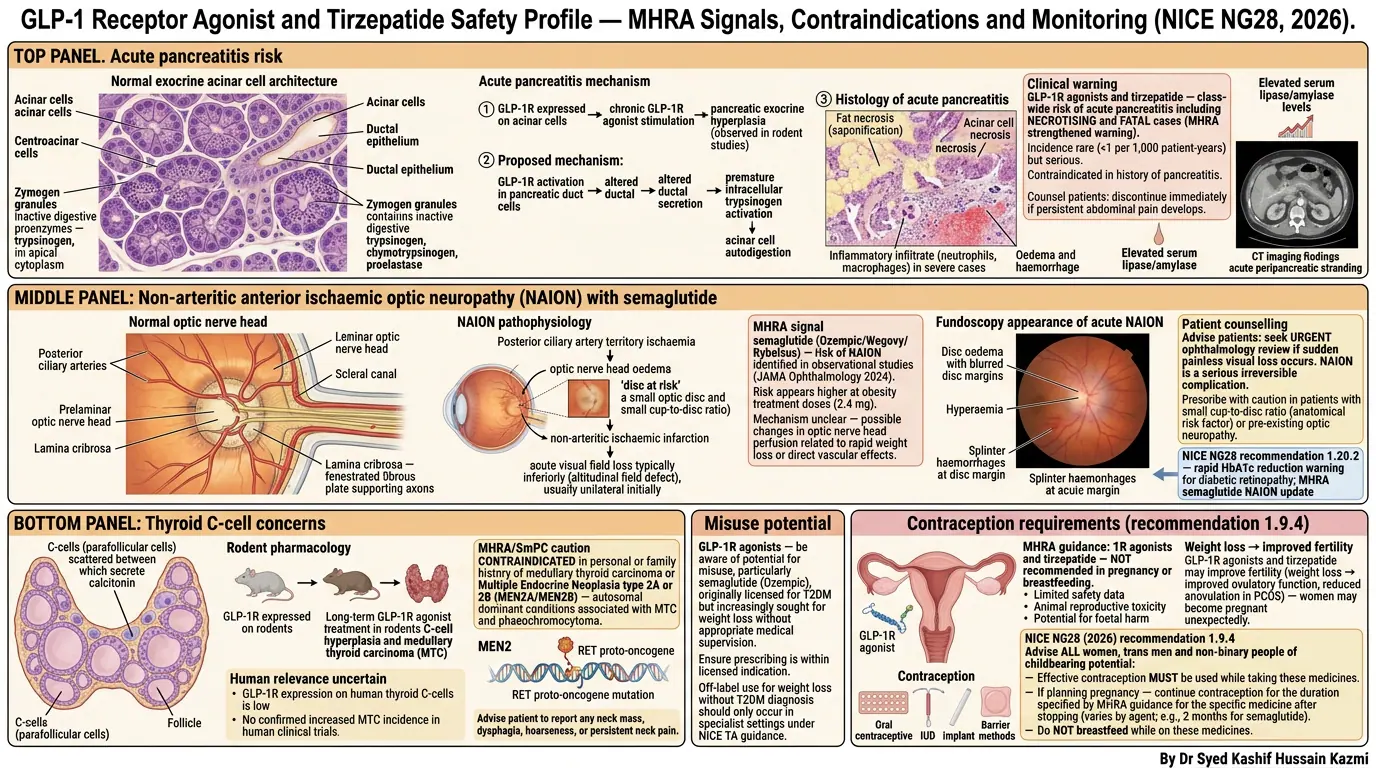
Image description
The illustration presents GI effects dominate; serious risks are uncommon but critical to recognise.
Clinical interpretation
Common: nausea, vomiting, diarrhoea, constipation. Serious: pancreatitis (rare), gallbladder disease, dehydration/AKI, thyroid C-cell tumours (rodent signal; human MTC risk unproven), aspiration with anaesthesia, possible suicidal ideation signal under regulatory review.
Cross-sectional anatomy — multi-organ risk
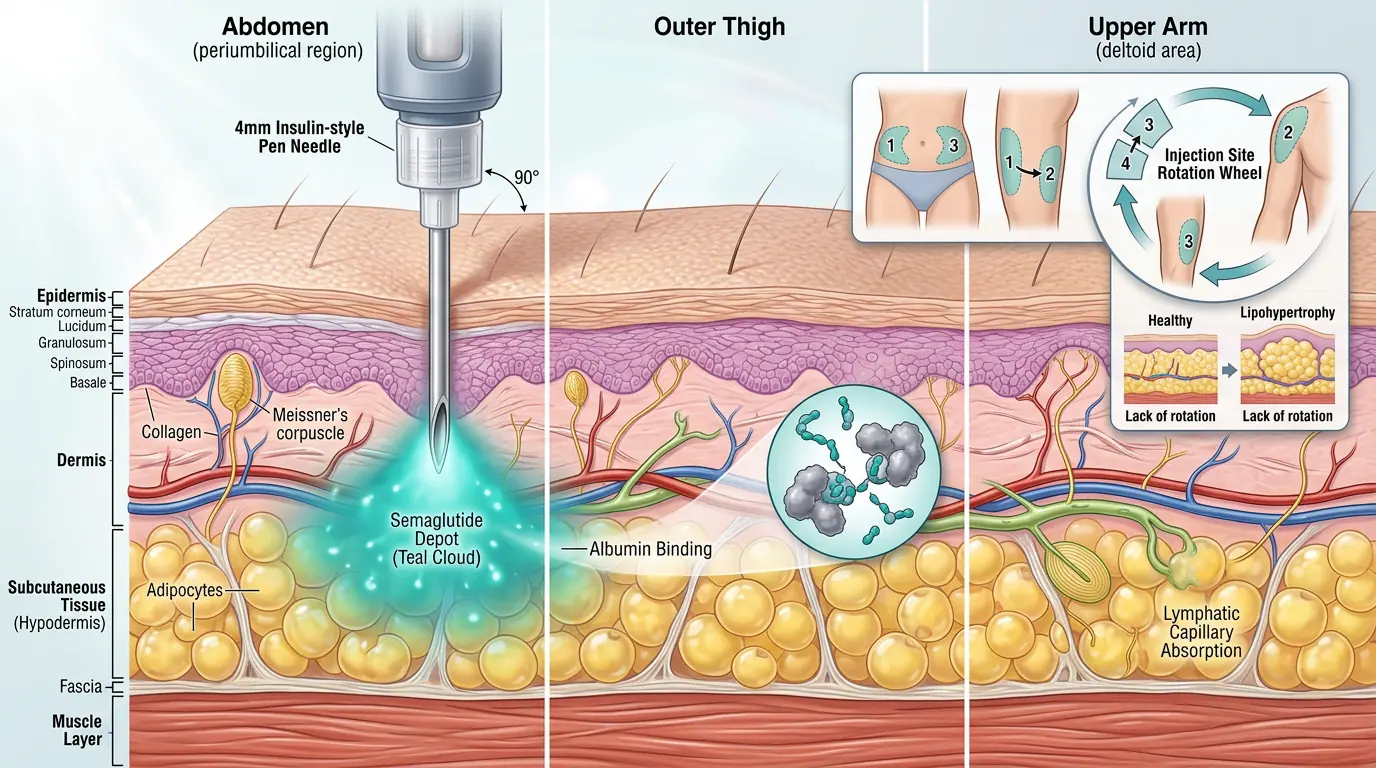
Image description
The illustration presents Anatomical context for GI, hepatobiliary, and renal safety topics.
Clinical interpretation
Integrates gallbladder, stomach, pancreas, and kidney — organs implicated in labelled warnings and monitoring.
Gastrointestinal & pancreas
Pancreatitis risk
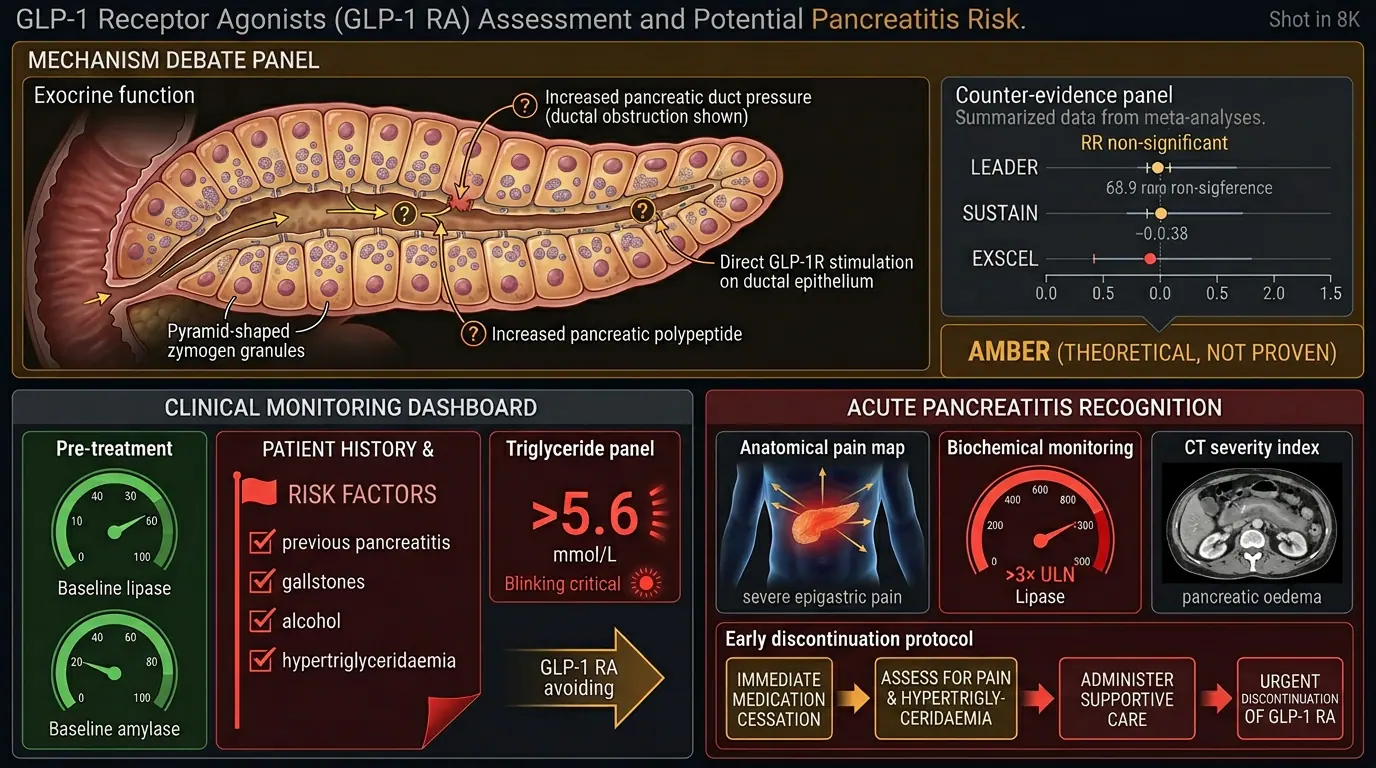
Image description
The illustration presents Avoid in unexplained abdominal pain; discontinue if pancreatitis confirmed.
Clinical interpretation
Observational studies show inconsistent association; regulatory labels retain warning. Avoid in prior pancreatitis. Triglyceride management and alcohol counselling remain relevant.
Upper GI anatomy — nausea and gastroparesis
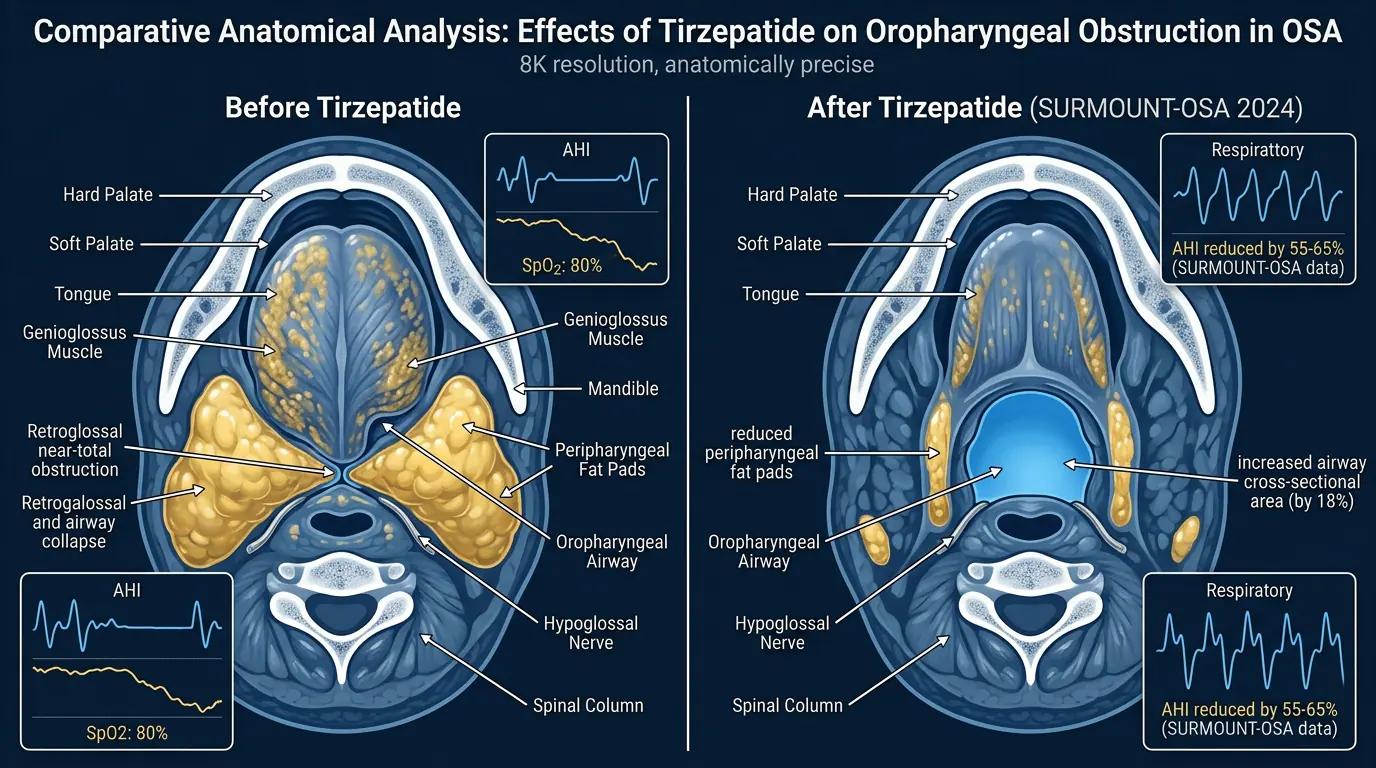
Image description
The illustration presents Anatomical basis for GI adverse effects and aspiration risk.
Clinical interpretation
Delayed gastric emptying increases early satiety but causes nausea and raises aspiration risk under general anaesthesia — MHRA perioperative guidance recommends holding agents.
Clinical FAQs
Frequently asked questions
What are the most common side effects of GLP-1 agonists?
The most common adverse effects are gastrointestinal: nausea, vomiting, diarrhoea and constipation. These are usually mild-to-moderate, dose-related and improve with gradual dose escalation.
Are GLP-1 agonists safe before surgery?
Delayed gastric emptying raises aspiration risk under anaesthesia. Guidance advises withholding weekly agents before elective surgery and assessing residual gastric contents. Follow current perioperative and anaesthetic society guidance.