
GLP-1 Receptor Agonists —
The Complete Guidelines Reference
Every major clinical practice guideline covering GLP-1 receptor agonists — from NICE NG28 and the ADA Standards through to ESC/EASD, EASO, KDIGO, and WHO frameworks — presented with full recommendation text, evidence grades, interactive accordions, prescribing algorithms, and a cross-guideline divergence analysis for UK clinicians.
The Global Guideline Landscape
Nine frameworks · 2023–2026 · Convergences and divergences
GLP-1 receptor agonists now appear in guidelines spanning endocrinology, cardiology, nephrology, hepatology, and obesity medicine — from nine separate organisations across three continents. While all guidelines endorse GLP-1 RAs for T2DM management, significant divergences exist in HbA1c thresholds, preferred agents, obesity indications, combination therapy sequencing, and the emphasis on cardiometabolic vs glycaemic goals. Understanding these differences is essential for UK clinicians consulting international literature or managing patients who have moved between healthcare systems.
| Guideline | Org | Year | Scope | GLP-1 RA position | Preferred agents |
|---|---|---|---|---|---|
| NICE NG28 | NICE (UK) | Feb 2026 | T2DM adults | 2nd–3rd line · CV stream independent | Semaglutide, Tirzepatide |
| NICE TA875 | NICE (UK) | 2023 | Obesity | Weight management · BMI ≥30 | Semaglutide 2.4 mg |
| SfE Obesity | SfE (UK) | 2024 | Obesity · Endocrinology | Specialist-led · Tier 3 | Sema · Tirz when available |
| ADA Standards | ADA (US) | 2025 | Diabetes comprehensive | First-line with CV/CKD comorbidity | GLP-1 RA or SGLT2i first |
| AACE Consensus | AACE (US) | 2024 | T2DM · Obesity | First-line in obesity-T2DM | Tirzepatide · Semaglutide |
| AHA/ACC Obesity | AHA/ACC (US) | 2023 | CV prevention | CV risk reduction · SELECT evidence | Sema 2.4 mg for CVD+obesity |
| ADA/EASD Consensus | ADA/EASD (EU/US) | 2023 update | T2DM hyperglycaemia | Early use if CVD/CKD/HF risk | Sema preferred · Tirz strong option |
| ESC/EASD | ESC (Europe) | 2023 | CVD in diabetes | Class I recommendation · CVD+T2DM | Sema · Liraglutide · Dula |
| KDIGO CKD | KDIGO (Global) | 2024 | CKD + Diabetes | Standard care in T2DM+CKD | Semaglutide 1 mg (FLOW) |
Cross-Guideline Comparison
Key parameters compared across all 9 guidelines — at a glance
NICE NG28 — Type 2 Diabetes in Adults
National Institute for Health and Care Excellence · February 2026 · Full recommendation set
- For early-onset T2DM, NICE recommends metformin plus an SGLT-2 inhibitor and says to consider a GLP-1 receptor agonist or tirzepatide, with different stated benefits.
- For ASCVD, subcutaneous semaglutide up to 1 mg has a specific place in the pathway.
- Further treatment is tied to the individualised glycaemic target and whether treatment is being used for cardiovascular benefit.
- Always check current BNF, UK SmPC, MHRA safety updates and local formulary restrictions.
- Semaglutide SC (Ozempic) — SUSTAIN-7 demonstrated superiority over dulaglutide 1.5 mg on HbA1c (−0.40%) and weight (−3.5 kg). SELECT trial demonstrates CV superiority (HR 0.80) in obesity without T2DM.
- Tirzepatide (Mounjaro) — SURPASS-2 showed superiority over semaglutide 1 mg on HbA1c (−0.51%) and weight (−5.5 kg). NICE NG28 Feb 2026 added tirzepatide as co-preferred following technology appraisal completion.
- Both agents offer once-weekly SC dosing, improving adherence vs daily agents
- Dulaglutide (Trulicity) remains recommended as an alternative when semaglutide or tirzepatide is not tolerated or contraindicated
- Liraglutide (Victoza) is positioned as a third-line alternative given daily dosing and slightly inferior efficacy vs semaglutide
- Established ASCVD = prior MI, ischaemic stroke, TIA, coronary artery disease, PAD, or prior revascularisation
- GLP-1 RA preferred over SGLT2i when weight loss is a priority or SGLT2i is contraindicated/not tolerated
- SGLT2i preferred when heart failure (especially HFrEF) or CKD (eGFR ≥20) are present
- Both may be combined — NICE states this is clinically appropriate and not counted as a different treatment step
- For patients already at HbA1c target: this recommendation may mean adding a GLP-1 RA purely for CV protection — a paradigm shift in prescribing rationale
- Must be taken fasting (no food or drink other than water for 30 minutes after tablet)
- GI side effects are similar to SC formulation but may be marginally more frequent
- ~80–85% of the HbA1c benefit of SC sema 0.5 mg — suitable for patients who decline injections
- Not appropriate for patients who cannot reliably follow the fasting protocol
- Absorption affected by concurrent antacids or PPIs — take at least 30 minutes apart
- Mandatory dose reduction: Reduce basal insulin dose by 20% when initiating a GLP-1 RA to prevent hypoglycaemia
- Fixed-ratio combinations (IDegLira, IGlarLixi) are alternatives when simplifying the regimen is a priority
- Tirzepatide has the strongest evidence for add-on to glargine (SURPASS-5)
- Review prandial insulin doses if already on basal-bolus — GLP-1 RA may allow prandial dose reduction or cessation
- South Asian (Indian, Pakistani, Bangladeshi, Sri Lankan): threshold BMI 27.5 kg/m² equivalent to 30 kg/m² in white European
- East Asian (Chinese, Japanese, Korean): similar adjustment to 27.5 kg/m²
- Black African / African-Caribbean: adjustment less established; use clinical judgement with BMI 27.5 as guide
- These thresholds apply to the weight management rationale for GLP-1 RA — the CV and renal indications apply regardless of BMI
- Semaglutide SC: 0.25 mg × 4 weeks → 0.5 mg × 4 weeks → 1 mg maintenance (T2DM); escalate to 2 mg if further HbA1c reduction needed. For obesity (Wegovy): → 1.7 → 2.4 mg over 16 weeks total
- Tirzepatide: 2.5 mg × 4 weeks → 5 mg × 4 weeks → escalate in 2.5 mg steps q4 weeks to max tolerated (up to 15 mg)
- Dulaglutide: 0.75 mg × 4 weeks → 1.5 mg → 3 mg → 4.5 mg (each step 4 weeks minimum)
- If GI side effects are severe at dose escalation: return to previous dose for an additional 4 weeks before retrying escalation
- Some patients may tolerate and prefer to remain at sub-maximal doses if adequate HbA1c control achieved
- For patients with established CVD on semaglutide for SELECT indication: continue regardless of glycaemic response
- For patients with T2DM+CKD on semaglutide 1 mg for FLOW indication: continue for renal protection even if HbA1c change modest
- Weight loss threshold (3% at 6 months) applies when weight management is a stated goal — not when purely glycaemic or CV indication
- Poor HbA1c response may reflect inadequate dose titration — ensure patient is on maintenance dose before applying stopping rule
- Where response is partial but treatment is continued: document rationale explicitly in clinical records
- Check that retinal screening is up to date (within 12 months) before starting semaglutide in T2DM
- If retinal screening overdue — arrange urgent diabetic eye screening before initiating
- Pre-proliferative or proliferative retinopathy: ophthalmology review mandatory before prescribing
- Background retinopathy only: proceed with slower titration and retinal rescreen at 3–6 months post-initiation
- This caution applies specifically to semaglutide and is less well-characterised for tirzepatide (no equivalent trial signal)
NICE TA875 — Semaglutide for Obesity
Technology Appraisal 875 · Wegovy · NHS specialist weight management pathway
- BMI ≥35 with ≥1 weight-related comorbidity (T2DM, HTN, dyslipidaemia, OSA, CVD, MASH, OSA, depression related to obesity), OR BMI 30–34.9 with specialist referral for weight-related condition
- No contraindications to semaglutide
- Treatment provided within the context of a multidisciplinary tier 3 weight management service that includes lifestyle intervention, dietary support, and psychological support
- Prior unsuccessful attempt at a structured lifestyle programme
- Patient understands weight loss requires continued treatment and will regain weight if stopped
- The 2-year limit applies to the initial NHS England primary care pathway commissioning — specialist weight management services (tier 3) can recommend continuation beyond 2 years for patients with high clinical need
- The STEP-4 withdrawal trial data (weight regain +6.9% on stopping) strongly suggests most patients will require indefinite therapy — this tension between the 2-year NHS limit and clinical evidence is ongoing
- NHS England is reviewing the 2-year restriction as of 2025 following clinical advocacy from obesity medicine societies
- Patients who lose ≥5% at 6 months should continue to 12 months, at which point efficacy and weight trajectory are reassessed
- Annual review must document continued benefit, tolerability, patient engagement with lifestyle programme, and clinical need for continuation
SfE — Society for Endocrinology
Obesity & Metabolic Disease Guidelines · 2024 · UK Specialist Perspective
- Tirzepatide 15 mg (Mounjaro) — maximum weight loss; UK-licensed for both T2DM and weight management (Mounjaro); NICE TA criteria apply for NHS access
- Semaglutide 2.4 mg (Wegovy) — NICE TA875-approved standard; excellent CV evidence (SELECT); oral Wegovy tablet MHRA-authorised June 2026
- Liraglutide 3 mg (Saxenda) — daily injection; lower efficacy; use if weekly agents not tolerated
- Orforglipron (oral non-peptide) — Phase 3 programme ongoing; anticipated regulatory filing 2025–2026
- GLP-1 RAs produce approximately 35–40% of weight loss from lean body mass (muscle, bone, organ mass)
- In older adults (≥65), sarcopenic obesity patients, and those with low baseline muscle mass, this may precipitate or worsen sarcopenia
- Resistance exercise (3×/week, progressive load) is the most evidence-based intervention to preserve muscle during weight loss
- Dietary protein: minimum 1.2 g/kg IBW/day; 1.5 g/kg IBW/day in older adults or those with pre-existing low muscle mass
- Refer to physiotherapy or exercise specialist for structured programme alongside pharmacotherapy
- Consider DEXA body composition assessment at baseline and 12 months in high-risk patients (older adults, low BMI at baseline, known sarcopenia)
- Tirzepatide preferred for MASH based on SYNERGY-NASH data (74% MASH resolution at 15 mg vs 10% placebo)
- Semaglutide is an acceptable alternative pending a Phase 3 MASH biopsy trial
- Arrange baseline liver elastography (FibroScan) and FIB-4 score before initiating in suspected MASH
- Reassess at 12–18 months with repeat elastography — document fibrosis stage change
- If concurrent use with resmetirom (Rezdiffra) is being considered — hepatology review mandatory (no combination trial data yet)
- Obesity is a chronic relapsing disease — treating it with a time-limited course of pharmacotherapy is analagous to treating hypertension for 2 years
- NHS England is reviewing the 2-year restriction as of 2025 in response to clinical advocacy
- Where continuation beyond 2 years is clinically indicated: document clinical need; involve specialist service; use the annual review process to support continuation
- Clinical stopping criteria (not time-based): <5% weight loss at 6 months; intolerable side effects; contraindication development; patient preference after informed discussion
NHS England — Commissioning Pathways
Tier 3 Weight Management · CV Prevention · Formulary Policy · 2025
ADA Standards — Medical Care in Diabetes 2025
American Diabetes Association · Annual update · Most widely cited diabetes guideline globally
- The evidence base: LEADER (HR 0.87), SUSTAIN-6 (HR 0.74), REWIND (HR 0.88), SELECT (HR 0.80), FLOW (HR 0.76)
- The ADA explicitly states: "these agents are recommended for persons with these comorbidities to reduce cardiovascular risk regardless of whether additional glucose lowering is needed"
- GLP-1 RA preferred over SGLT2i when: obesity and weight loss is a priority; CKD eGFR too low for SGLT2i; patient preference
- SGLT2i preferred over GLP-1 RA when: HFrEF; volume overload; CKD protection primary (noting FLOW now shifts some balance back to GLP-1 RA)
- Metformin remains appropriate for most patients as foundational therapy — the ADA does not abandon metformin, but removes its requirement as a prerequisite
- Tirzepatide: SURPASS-2 (−11.2 kg vs sema 1 mg); SURMOUNT-1 (−20.9% in obesity); greatest weight loss of any approved agent
- Semaglutide SC: STEP-1 (−14.9%); SELECT (−9.4% in established CVD); well-established safety and CV evidence
- Dulaglutide and liraglutide: less weight loss; appropriate alternatives if sema/tirz not tolerated
- Oral semaglutide: less weight loss than SC formulation; acceptable for injection-averse patients
- Semaglutide 2.4 mg (Wegovy) licensed for obesity in US since 2021; also approved for CV risk reduction (SELECT indication)
- Tirzepatide 15 mg (Zepbound) licensed for obesity in US since 2023
- No requirement for specialist referral or prior 6-month lifestyle programme in US (contrast with NICE TA875)
- BMI threshold: FDA approval for BMI ≥30 or ≥27 with comorbidity — same as EU/UK but without Tier 3 service requirement
- Class I recommendation (preferred): Semaglutide SC (SUSTAIN-6 + SELECT), Liraglutide (LEADER), Dulaglutide (REWIND)
- Not preferred for CV indication: Exenatide XR (EXSCEL — non-inferior only), Lixisenatide (ELIXA — neutral)
- For patients without T2DM but with CVD and obesity: SELECT indication for semaglutide 2.4 mg — ADA Chapter 10 explicitly endorses this
- "High CV risk" defined as: age ≥55 + ≥2 of: coronary/carotid/lower extremity stenosis ≥50%, LVH, eGFR <60, or albuminuria
- STEP-HFpEF (n=529): KCCQ-CSS +7.8 pts, 6MWD +21.5 m, weight −13.3% at 52 weeks
- STEP-HFpEF-DM (T2DM cohort): comparable improvements across both endpoints
- HFpEF mechanism: weight-mediated preload reduction + anti-inflammatory effects + epicardial adipose tissue reduction
- For HFrEF (EF <40%): SGLT2i (empagliflozin, dapagliflozin) have Class I evidence; GLP-1 RA not contraindicated but no powered HFrEF outcomes trial
- ADA caution: mild chronotropic effect of GLP-1 RAs (+2–4 bpm) is generally well-tolerated but monitor in severe HFrEF
AACE — Comprehensive T2DM Management Algorithm
American Association of Clinical Endocrinology · 2024 Update · Most aggressive GLP-1 RA positioning
- Rationale: SURPASS-2 showed superiority over semaglutide 1 mg on all endpoints; SURMOUNT-1 showed −20.9% weight in obesity; SURMOUNT-2 showed −13.4% in T2DM + obesity at 15 mg
- AACE explicitly frames obesity-T2DM as requiring maximum efficacy from first treatment decision — not stepwise escalation
- Target dose: 15 mg SC weekly for maximum cardiometabolic benefit
- US context: tirzepatide 15 mg (Mounjaro for T2DM; Zepbound for obesity) is available without specialist referral — unlike UK Tier 3 pathway
- AACE positions SGLT2i as preferred when HF or CKD are primary concerns; GLP-1 RA/tirzepatide when weight + HbA1c are primary
- ASCVD present → GLP-1 RA with proven CV benefit (sema, lira, dula, or tirz via CV proxy data)
- Obesity (BMI ≥30) → Tirzepatide or semaglutide as primary agent
- MASH → GLP-1 RA preferred (tirzepatide based on SYNERGY-NASH; sema based on LEAN)
- CKD (eGFR ≥25 + UACR ≥100) → GLP-1 RA + SGLT2i combination; sema 1 mg preferred per FLOW
- HF → SGLT2i first; GLP-1 RA if HFpEF + obesity
- HbA1c level only becomes primary driver when none of the above comorbidities are present
- SURPASS-2: 27% of tirzepatide 15 mg patients achieved HbA1c ≤5.7% (normal range)
- The ability to target near-normoglycaemia without hypoglycaemia is a unique property of GLP-1 RAs and tirzepatide
- NICE NG28 UK context: targets are more conservative (≤48 mmol/mol, 6.5% for most; ≤53, 7.0% if on agents with hypoglycaemia risk)
- Older adults (≥75), frailty: AACE recommends ≤7.5–8.0% to avoid hypoglycaemia — aligned with NICE's frailty-adjusted approach
AHA/ACC — Obesity & CV Risk Guideline
American Heart Association / American College of Cardiology · 2023 · SELECT evidence incorporated
- SELECT (NEJM 2023, n=17,604): HR 0.80 (95% CI 0.72–0.90, p<0.001) for primary 3-point MACE
- NNT approximately 67 over 40 months to prevent one MACE event
- The Class IIa (not Class I) reflects that SELECT is a single trial — replication in independent cohorts would support upgrading to Class I
- Importantly, this recommendation applies to patients without diabetes — a genuinely new clinical territory for cardiovascular pharmacotherapy
- 73% reduction in new-onset T2DM in SELECT: AHA/ACC notes this as an additional benefit supporting the cardiometabolic medicine rationale
- GLP-1 RAs recommended alongside lifestyle, not instead of it — the combination produces greater and more sustained weight loss
- AHA/ACC notes that weight loss of ≥10% produces clinically meaningful reductions in SBP (−6 mmHg), LDL (−5%), triglycerides (−15%), HbA1c (−1%), and CRP (−40%)
- The CLASS of recommendation (Class I) for obesity treatment as CV prevention is transformative — elevating weight management from "lifestyle advice" to evidence-based cardiovascular medicine
- This recommendation is expected to influence insurance coverage decisions in the US and ICS commissioning decisions in England
ADA/EASD Consensus — Hyperglycaemia Management in T2DM
Joint ADA / European Association for the Study of Diabetes · Person-centred framework · 2022–2023 update
- Compelling need: Weight management → GLP-1 RA or tirzepatide (sema or tirz preferred; lira, dula as alternatives)
- Compelling need: CV risk reduction (ASCVD) → GLP-1 RA with proven CV benefit or SGLT2i
- Compelling need: HF or CKD protection → SGLT2i preferred; GLP-1 RA additive
- Compelling need: Minimise hypoglycaemia → GLP-1 RA (glucose-dependent; no intrinsic hypo risk)
- Compelling need: Minimise cost → Generic metformin + SU or TZD (not GLP-1 RA class)
- GLP-1 RAs directly address multiple compelling needs simultaneously — the only class offering weight loss, CV protection, and near-absent hypoglycaemia risk in one agent
- Established ASCVD: GLP-1 RA with proven MACE benefit — sema (SUSTAIN-6 + SELECT), lira (LEADER), dula (REWIND)
- Indicators of high CV risk (not established ASCVD): GLP-1 RA appropriate but evidence weaker — REWIND (69% primary prevention) most applicable
- Tirzepatide in ASCVD: SURPASS-CVOT data support use; select sema when strongest CV evidence is the priority
- Patient preference, tolerability, and access should be discussed alongside the evidence when selecting between sema and tirz for the CV indication
- Injection frequency: once-weekly (sema SC, tirz, dula) preferred over once-daily (lira) or twice-daily (exenatide IR) for most patients
- Oral preference: oral sema 14 mg — accept ~15% lower efficacy vs SC for meaningful convenience improvement
- Weight loss priority: tirzepatide > sema 2.4 mg > sema 1 mg > lira > dula > exenatide
- CV evidence strength: sema (strongest — SUSTAIN-6 + SELECT) > lira (LEADER) > dula (REWIND)
- Cost: significant variation; generic alternatives may be preferred in cost-constrained settings
- Shared decision making documentation should include the specific reasons for agent choice
ESC/EASD — CVD in Diabetes Guidelines
European Society of Cardiology · 2023 · Class I Level A recommendations for GLP-1 RAs
- Evidence base: LEADER (HR 0.87), SUSTAIN-6 (HR 0.74), REWIND (HR 0.88) — three independent large RCTs with MACE superiority
- AMPLITUDE-O (efpeglenatide, HR 0.73) also cited as supportive although agent not widely available
- "Proven cardiovascular benefit" definition: MACE superiority demonstrated in a dedicated CVOT — excludes exenatide XR (EXSCEL non-inferior only) and lixisenatide (ELIXA neutral)
- The guideline explicitly states: "The cardiovascular benefit of GLP-1 RAs in T2DM is likely a class effect of certain agents but not all agents in the class"
- In clinical practice: the ESC recommendation means European cardiologists should prescribe semaglutide, liraglutide, or dulaglutide to all T2DM patients with established ASCVD — regardless of whether a diabetologist is also managing their diabetes
- REWIND (dulaglutide) is the primary evidence source — 69% of participants had no established CVD at baseline; HR 0.88 for MACE across the whole trial
- The REWIND primary prevention subgroup (HR 0.98, wider CI) did not individually show significant benefit — the overall trial benefit drove the recommendation
- "High CV risk" in ESC context: age ≥50 + ≥2 risk factors; or evidence of end-organ damage (LVH, eGFR <60, microalbuminuria)
- ESC recommends SGLT2i as an equally valid alternative for primary prevention in high-risk T2DM patients
- Insulin has no proven CV benefit in T2DM outcomes trials (ORIGIN: HR 1.02 for MACE with insulin glargine)
- Insulin carries significant hypoglycaemia risk — hypoglycaemia activates sympathetic nervous system, may trigger acute CV events
- GLP-1 RA intensification produces CV benefit, weight loss, and near-absent hypoglycaemia risk
- When insulin is eventually needed (e.g. markedly elevated HbA1c): prefer basal insulin + GLP-1 RA combination over basal-bolus to maintain GLP-1 RA benefits
- Fixed-ratio combinations (IDegLira, IGlarLixi) offer simplified combination therapy when both are required
- Complementary mechanisms: SGLT2i reduces volume overload and provides direct HF/renal protection; GLP-1 RA reduces weight, postprandial glucose, and CV events via different pathways
- No dedicated RCT of the combination exists (single agent vs combination) — recommendation based on mechanistic complementarity and subgroup analyses
- FLOW (NEJM 2024): renal benefit of sema 1 mg was consistent in those on background SGLT2i (HR 0.78) — providing the first direct evidence that both together are better than either alone for renal outcomes
- Cost and tolerability must be considered — the combination requires two medications and monitoring for both GI and renal side effects
EASO — European Obesity Guidelines
European Association for the Study of Obesity · 2024 · GLP-1 RA in obesity management
- Semaglutide 2.4 mg: STEP-1 (−14.9% body weight), STEP-2 T2DM (−9.6%), SELECT CV evidence — preferred where CV protection is a co-goal
- Tirzepatide 15 mg: SURMOUNT-1 (−20.9%), SURMOUNT-3 (−26.6% combined with lifestyle) — preferred where maximum weight loss is the goal
- EASO does not mandate specialist referral — prescribing should be available in primary care across Europe (contrast with UK Tier 3 requirement)
- Access equity is an explicit EASO concern: the guideline calls for reimbursement of obesity pharmacotherapy as standard of care in all European healthcare systems
- STEP-4 withdrawal data: +6.9% body weight regain within 48 weeks of stopping semaglutide; risk factors completely reverted
- SURMOUNT-4 (tirzepatide withdrawal): comparable weight regain pattern after discontinuation
- EASO formally states: "Policies limiting obesity pharmacotherapy to 2 years are not consistent with the chronic disease model and should be revised"
- Addressed directly at European national health systems that limit reimbursement duration
- In the UK context: NICE TA875 2-year limit is specifically challenged by this recommendation; SfE guidance takes the same position
- GLP-1 RAs reduce hedonic eating and food reward salience — potentially beneficial in binge eating disorder, but may reinforce restrictive behaviours in AN
- FDA pharmacovigilance review (2023): no confirmed causal link between GLP-1 RAs and suicidal ideation; but active monitoring is warranted
- Use PHQ-9 or GAD-7 as baseline screening tools where routine mental health assessment is not in place
- Active anorexia nervosa or ARFID: contraindication to GLP-1 RA for obesity
- Binge eating disorder: GLP-1 RA may be beneficial — coordinate with psychiatry/psychology team
- Monitor for signs of food restriction that exceeds intended weight management — particularly in younger patients and those with prior eating disorder history
WHO — Global Diabetes & Obesity Frameworks
World Health Organization · Essential Medicines List · Global Access Agenda · 2024–2026
KDIGO — Diabetes Management in CKD
Kidney Disease: Improving Global Outcomes · 2024 · First CKD-dedicated GLP-1 RA guidance
- Evidence: FLOW trial (NEJM 2024, n=3,533) — primary composite HR 0.76 (95% CI 0.66–0.88, p=0.0003); all-cause mortality HR 0.80; trial stopped early for overwhelming efficacy
- Applicable population: T2DM + eGFR 25–75 mL/min/1.73m² + UACR ≥100 mg/g — approximately 20–30% of people with T2DM in secondary care have CKD meeting these criteria
- KDIGO explicitly states: "Do not withhold semaglutide due to CKD — the CKD itself is part of the indication"
- No dose adjustment needed for eGFR 25–75; use with caution eGFR <25; avoid if eGFR <15 or dialysis (no data)
- GI-induced dehydration is a risk in CKD — counsel on adequate hydration; hold semaglutide if severe GI illness (>48 hours significant vomiting/diarrhoea)
- FLOW: renal composite benefit was consistent in participants on baseline SGLT2i (HR 0.78, CI 0.62–0.99) and those not on SGLT2i (HR 0.75, CI 0.63–0.91); no significant interaction (p=0.76)
- This is the most direct evidence available that GLP-1 RA and SGLT2i provide additive (not redundant) renoprotection
- No dedicated combination RCT exists — the Grade 1B (rather than 1A) reflects this limitation
- Mechanistic complementarity: SGLT2i reduces intraglomerular pressure through tubuloglomerular feedback; GLP-1 RA reduces albuminuria through anti-inflammatory and haemodynamic mechanisms — different pathways
- Priority: if only one agent can be prescribed, choose based on eGFR (SGLT2i needs ≥20; GLP-1 RA usable to eGFR 15) and tolerability
- Semaglutide is primarily eliminated by proteolysis (not renal excretion) — pharmacokinetic accumulation risk in severe CKD is theoretically lower than renally-eliminated drugs
- However, GI side effects + severe CKD = high AKI risk from volume depletion — requires very careful monitoring
- Clinical practice: if T2DM+CKD G4 patient has compelling CV or weight indication, semaglutide may be appropriate with specialist oversight and meticulous hydration counselling
- Exenatide and lixisenatide: contraindicated eGFR <45 — do not use in G3b or worse
- Tirzepatide in advanced CKD: limited data; approach with same caution as semaglutide; KDIGO does not yet make a specific recommendation
Unified Clinical Algorithm
Synthesising NICE NG28 · ADA 2025 · ESC · KDIGO into a single clinical decision framework
No single patient is managed by one guideline alone. The following unified algorithm integrates the core decision logic from NICE NG28 (UK primary), ADA 2025 (international reference), ESC/EASD (CV indication), and KDIGO 2024 (renal indication) into a practical single framework applicable to UK clinical practice.
Key Divergences Between Guidelines
Where NICE, ADA, ESC, AACE, KDIGO, and EASO disagree — and why it matters
Despite broad convergence on the value of GLP-1 RAs in cardiometabolic medicine, meaningful divergences exist between guidelines that have direct clinical and commissioning implications. The following table summarises the most clinically significant differences and provides a UK practice recommendation for each.
Guidelines summarised on this page: NICE NG28 (February 2026) · NICE TA875 (March 2023) · SfE Pharmacological Management of Obesity 2024 · ADA Standards of Medical Care in Diabetes 2025 · AACE Comprehensive T2DM Management Algorithm 2024 · AHA/ACC Guideline for Obesity and CVD 2023 (with SELECT update) · ADA/EASD Consensus Report on Hyperglycaemia Management in T2DM (Davies et al. 2022, updated 2023) · ESC Guidelines on CVD in Patients with Diabetes 2023 · EASO Clinical Practice Recommendations for Obesity Management 2024 · KDIGO Clinical Practice Guideline for Diabetes Management in CKD 2024. All recommendation grades, class levels, and evidence gradings are reproduced from original source documents. This page is for educational purposes and does not constitute prescribing advice — apply guidelines in the context of individual patient clinical circumstances, local formulary, and current regulatory status. Check guideline body websites for most recent updates as guidelines are revised periodically.
Visual reference for prescribing guidelines
Each illustration below is paired with a clinical summary and detailed explanation. Click any image to expand. Figures are numbered in teaching order and grouped by theme.
UK guidelines
NICE NG28 (February 2026) — T2DM management
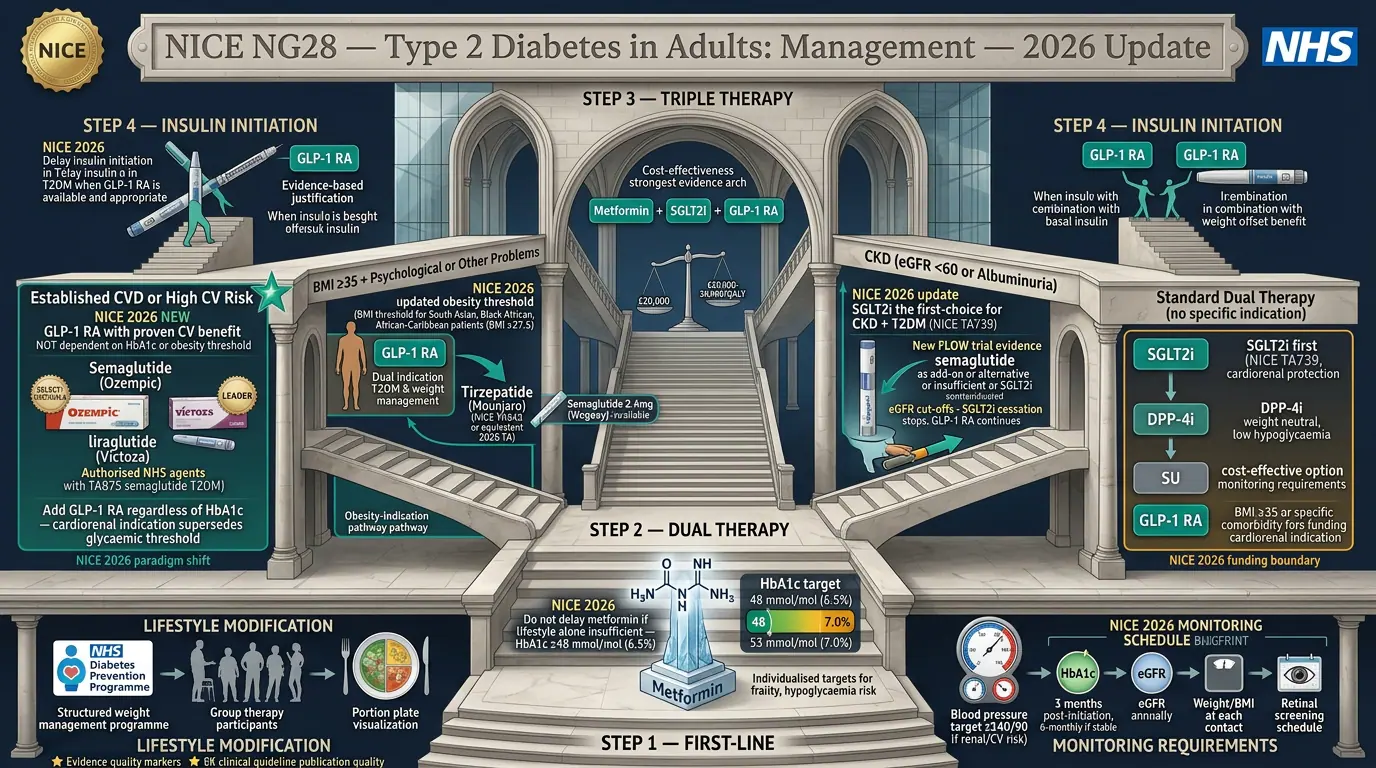
Image description
The illustration presents UK primary reference for GLP-1 RA prescribing in type 2 diabetes.
Clinical interpretation
NG28 positions GLP-1 RAs at second/third line with specific HbA1c thresholds; February 2026 update added tirzepatide and clarified CV-risk-based prescribing independent of HbA1c when ASCVD is present.
NICE health technology assessment
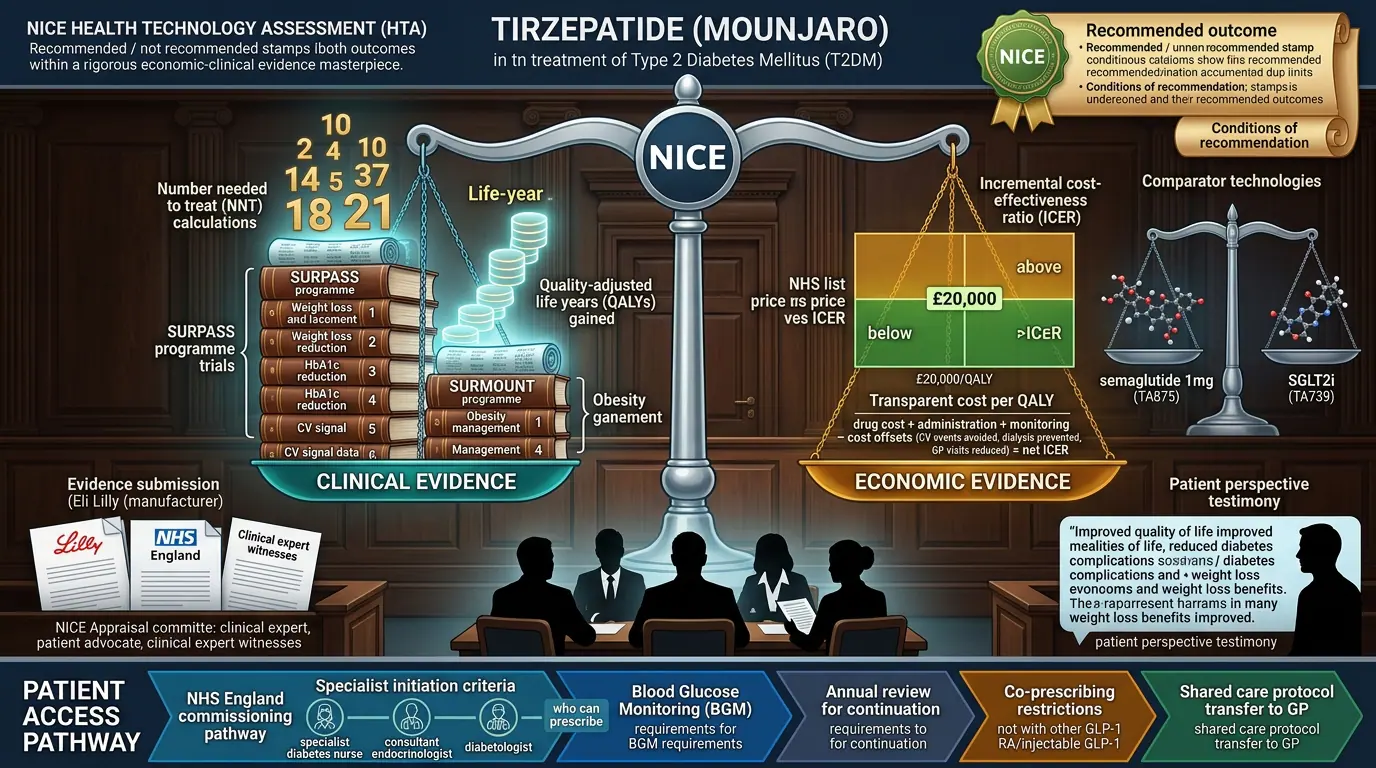
Image description
The illustration presents Cost-effectiveness framework for GLP-1 agents in NHS.
Clinical interpretation
Technology appraisals define which populations receive NHS-funded therapy; obesity pathways often require specialist weight management service referral.
NICE NG203 — CKD assessment and management
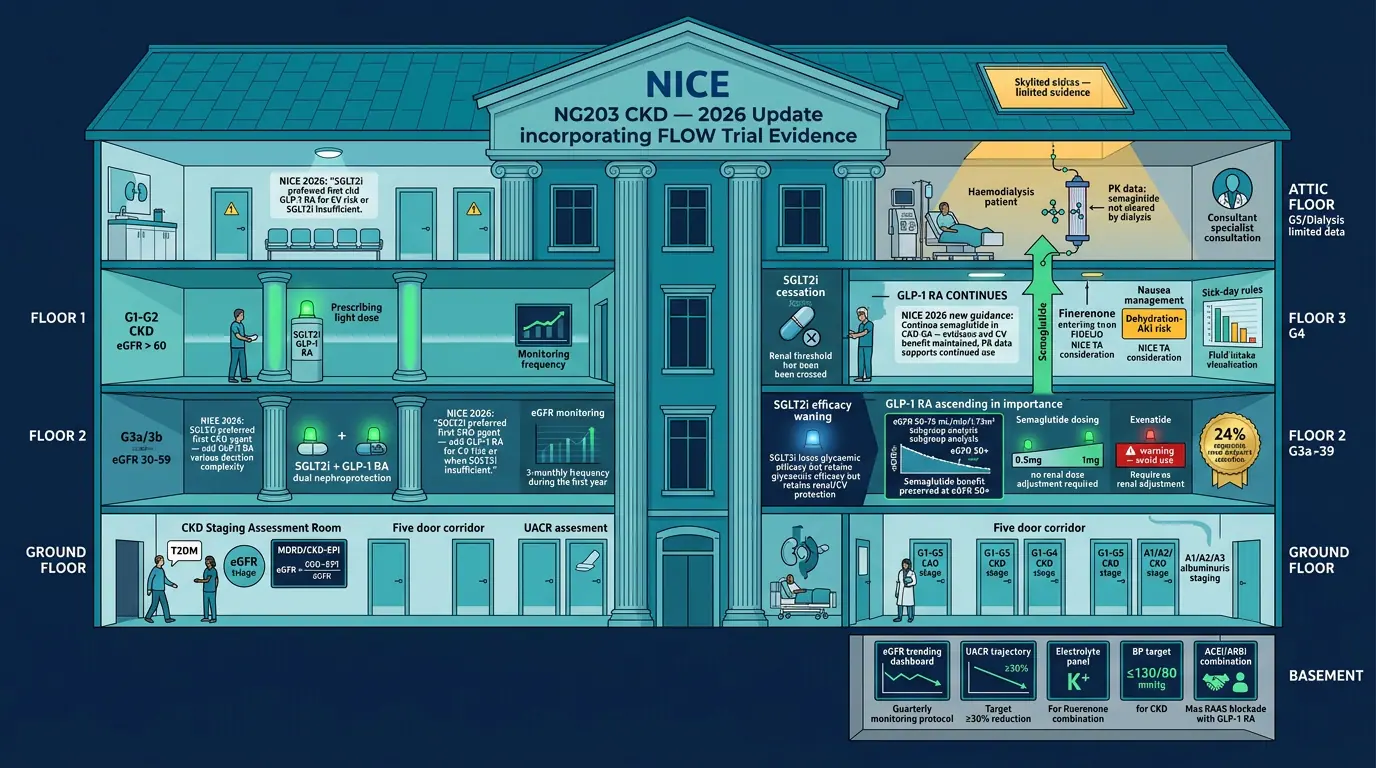
Image description
The illustration presents Intersection with FLOW evidence for renal protection.
Clinical interpretation
NG203 alongside NG28 guides SGLT2i and GLP-1 RA use in diabetic kidney disease — combination therapy increasingly standard.
NICE technology appraisal context
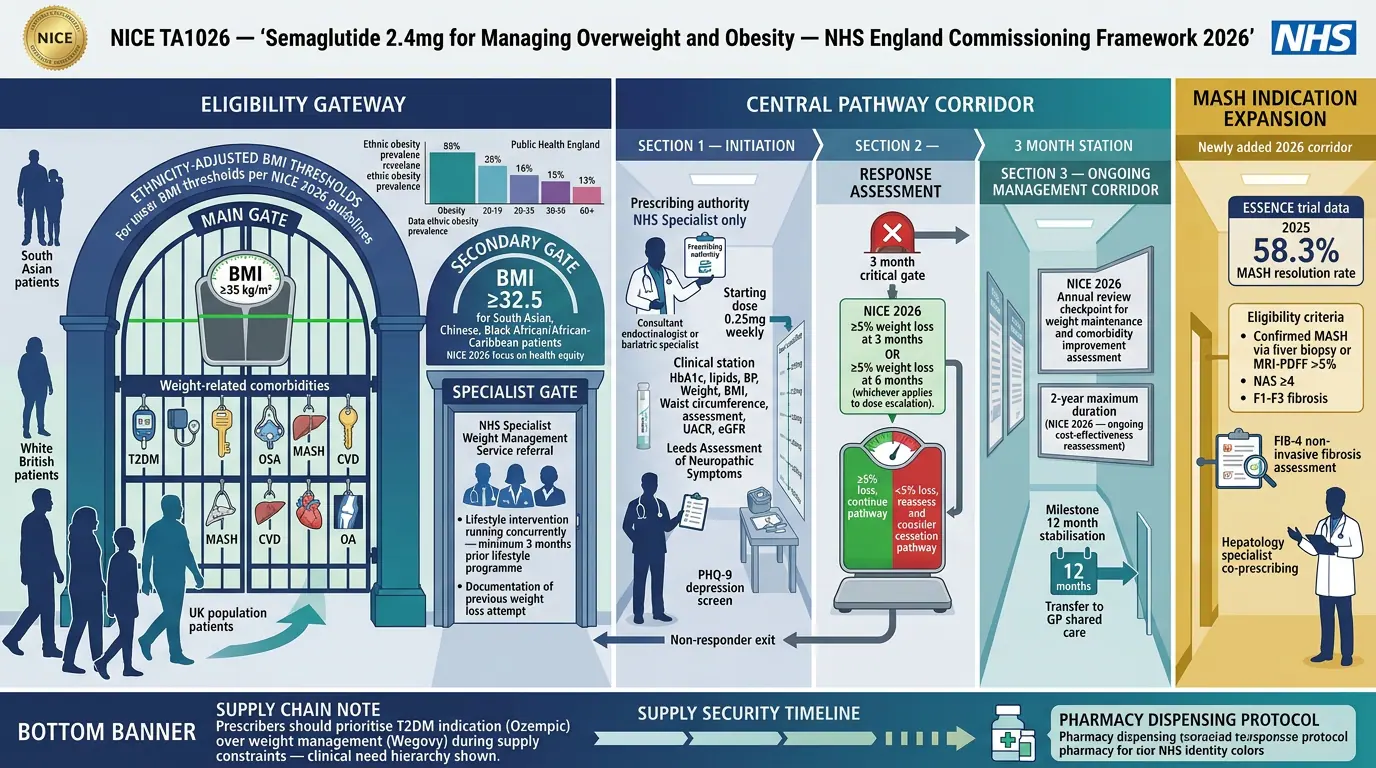
Image description
The illustration presents Appraisal documentation for newer agents.
Clinical interpretation
TA documents define eligible populations, comparators, and managed access — essential for formulary committees.
International guidelines
ADA Standards of Care 2025/2026 — unified algorithm
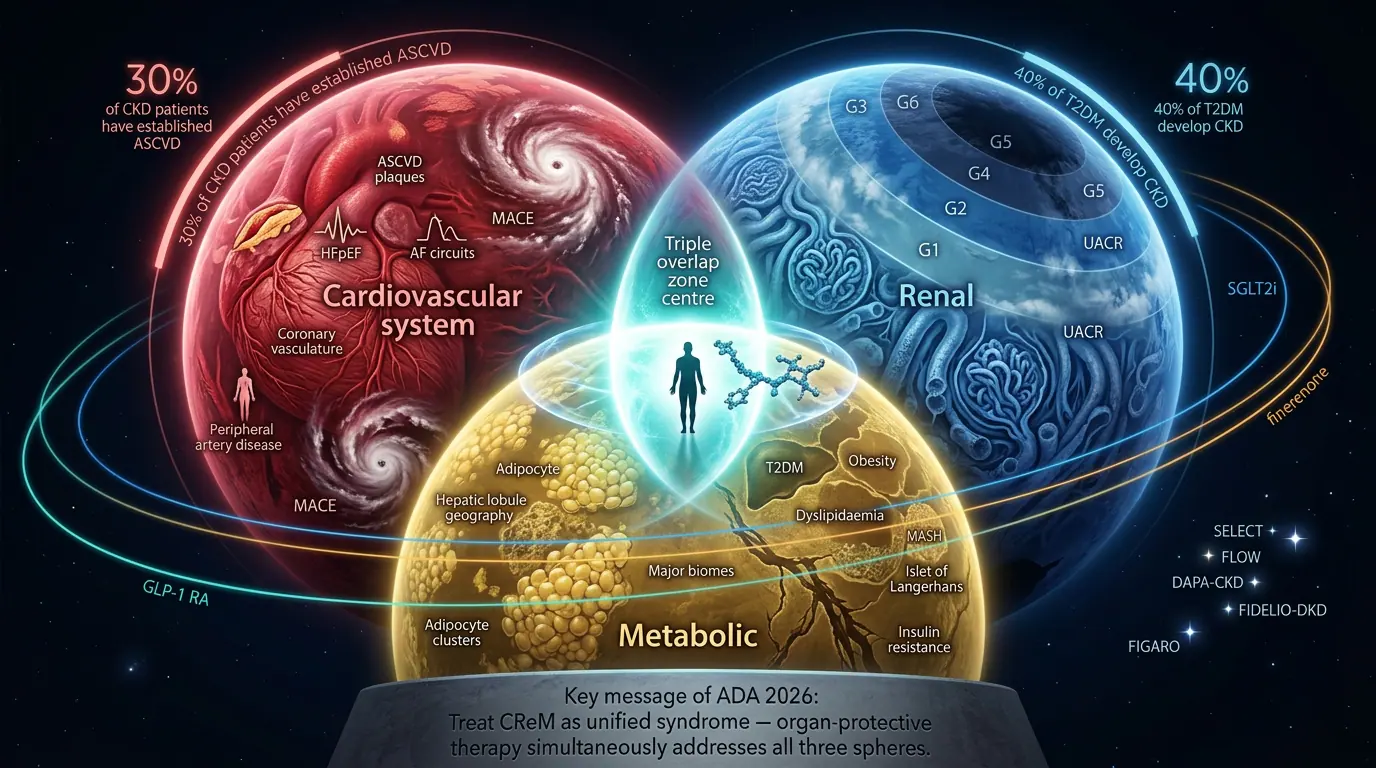
Image description
The illustration presents US algorithm prioritising agents with cardiorenal benefit.
Clinical interpretation
ADA places GLP-1 RAs with proven CV benefit high in algorithm for T2DM with ASCVD/high risk, alongside SGLT2i, often independent of HbA1c or metformin use.
Therapeutic stewardship principles
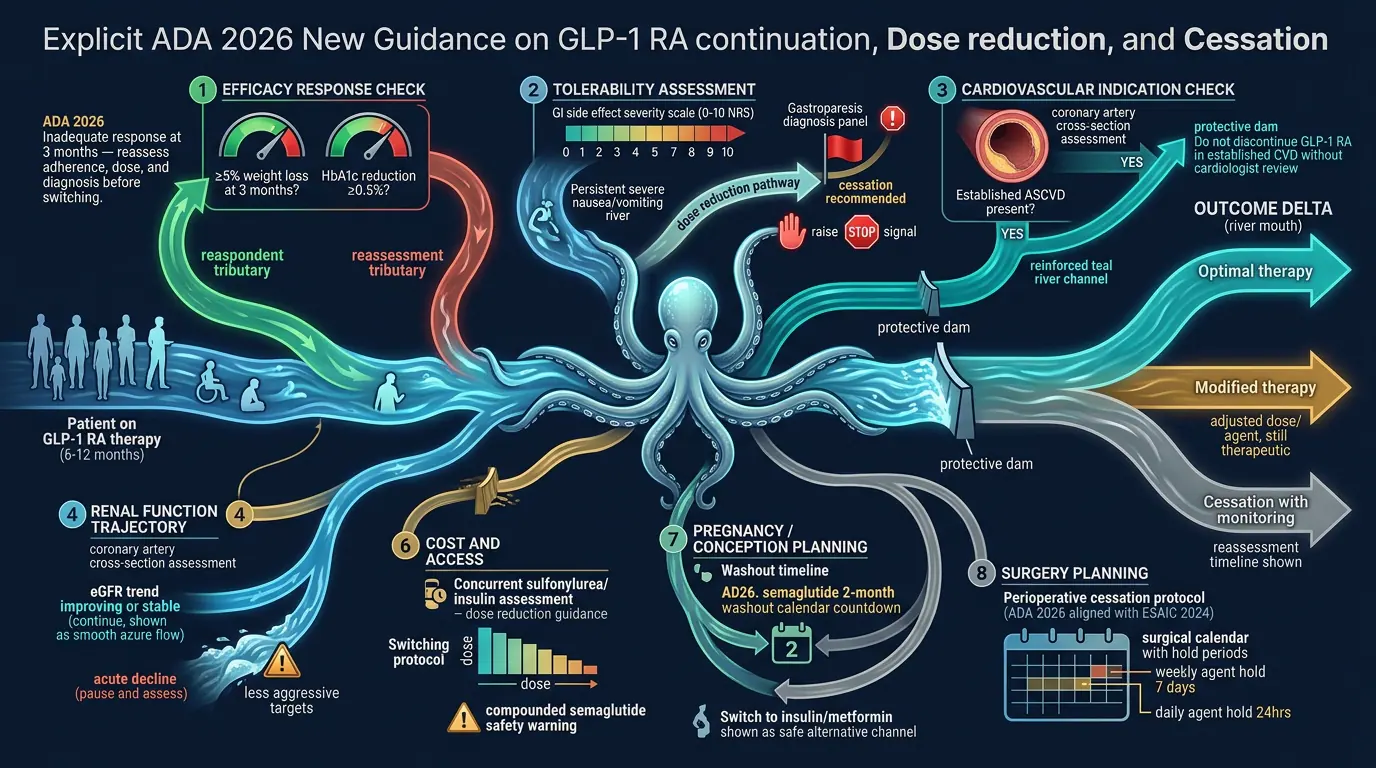
Image description
The illustration presents Appropriate agent selection, titration, and deprescribing considerations.
Clinical interpretation
Stewardship emphasises matching agent to indication (glycaemia vs obesity vs CV/renal), avoiding duplication, and planning therapy around procedures (aspiration risk).
Treatment algorithms
Clinical positioning of GLP-1 RAs
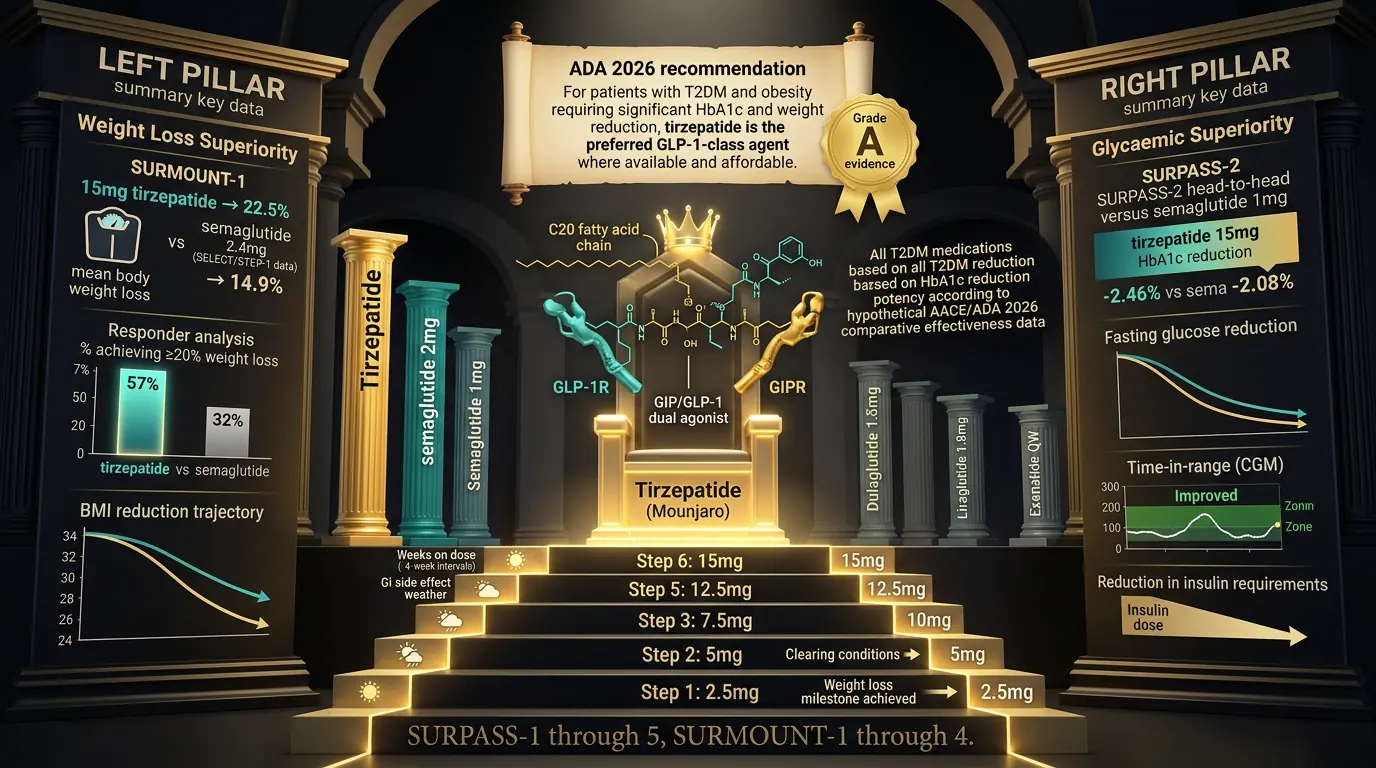
Image description
The illustration presents Where GLP-1 fits among metformin, SGLT2i, insulin, and lifestyle.
Clinical interpretation
Decision tree: ASCVD → GLP-1 or SGLT2i; obesity predominant → higher-dose semaglutide/tirzepatide; renal disease → SGLT2i + GLP-1 RA with FLOW-class evidence.
Shared decision-making framework
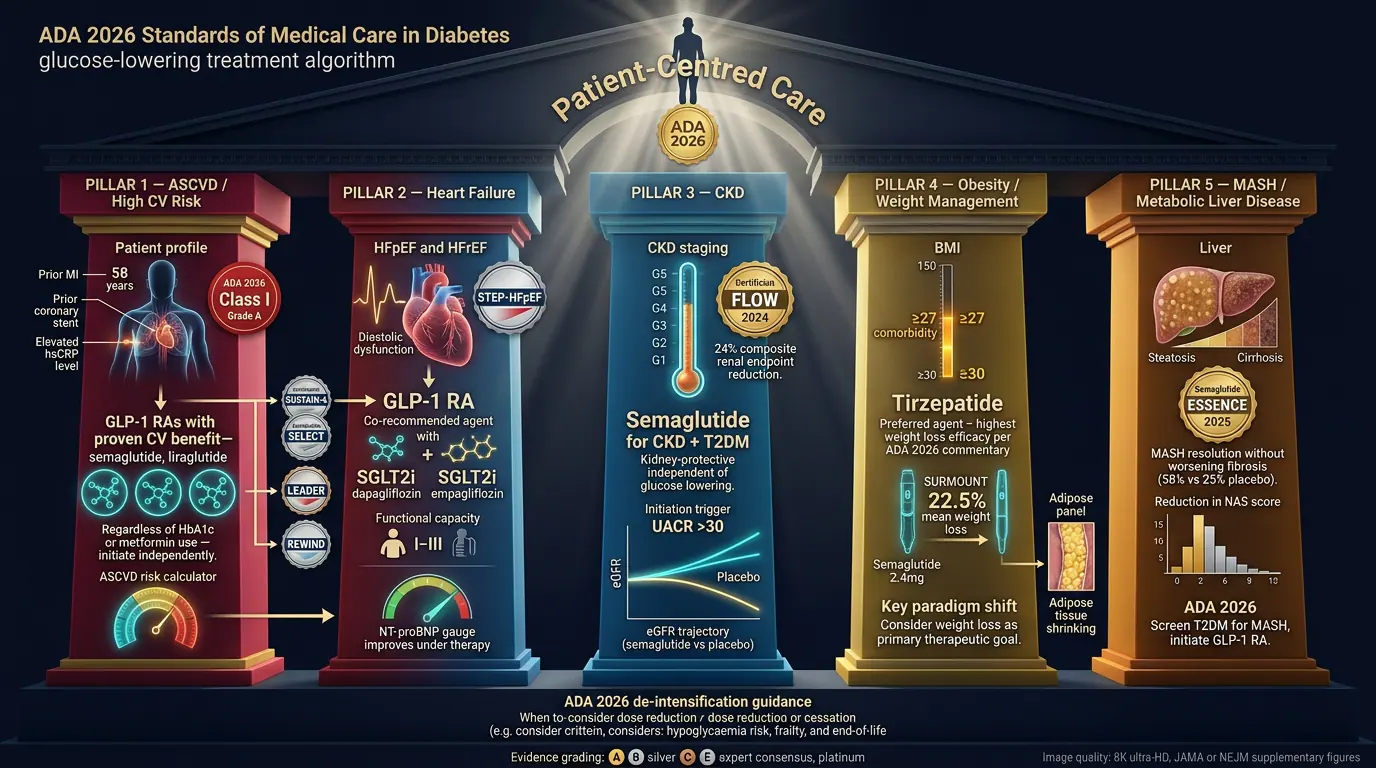
Image description
The illustration presents Patient-centred choice among agents with different devices and schedules.
Clinical interpretation
Weekly vs daily injection, oral option, weight loss magnitude, supply issues, and cost/access shape real-world selection as much as trial hazard ratios.
Clinical FAQs
Frequently asked questions
What do NICE guidelines say about GLP-1 prescribing?
NICE recommends GLP-1 receptor agonists for type 2 diabetes when specific criteria are met, and semaglutide (Wegovy) for weight management within a specialist service subject to BMI thresholds. Always check current NICE guidance and local formularies before prescribing.